Trump Says 'Hopefully' Won't Need Iran Military Action
By NewsDose Team
Updated on January 30, 2026
5 min read
Key takeaways
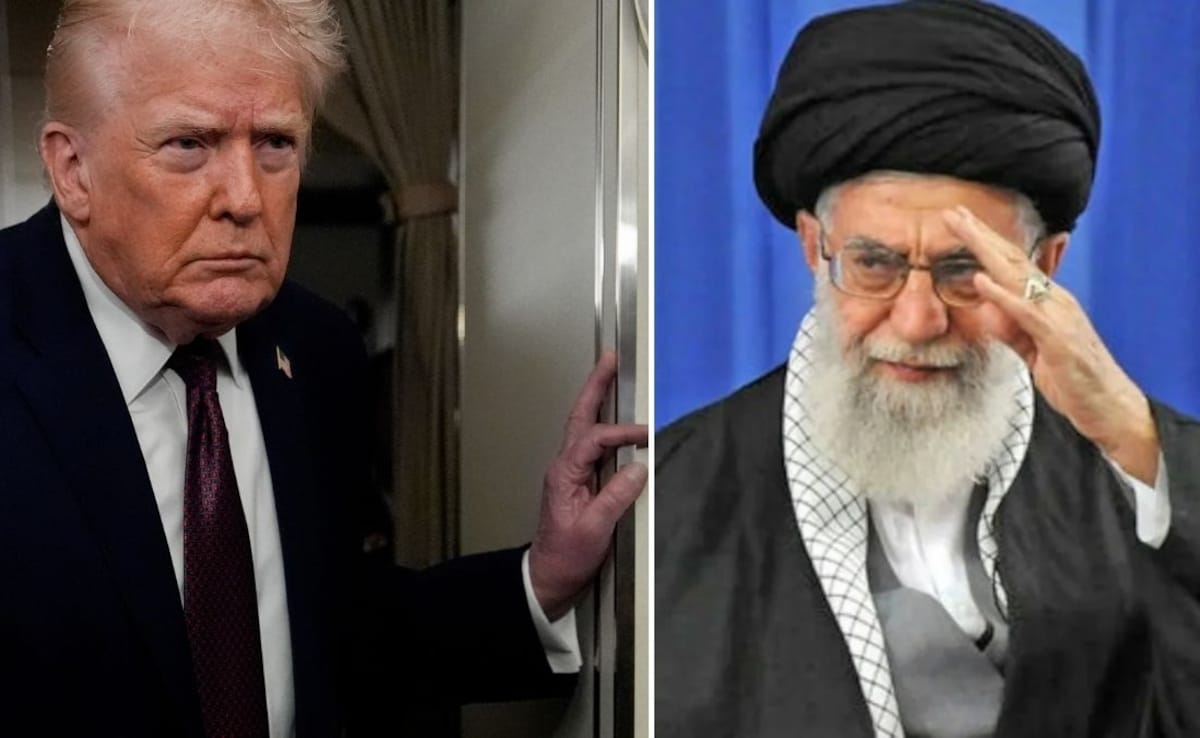
US President Donald Trump said Thursday he hoped to avoid military action against Iran, saying he planned to have further talks with Tehran on a possible nuclear deal.
In a significant address to reporters on Thursday evening, former US President Donald Trump articulated his desire to de-escalate tensions with Iran, expressing a preference for diplomatic engagement over military confrontation. Speaking at the premiere of a documentary celebrating the life and work of his wife, Melania Trump, the former commander-in-chief conveyed a nuanced stance on the ongoing complexities surrounding the Islamic Republic.
Trump revealed that he is contemplating further discussions with Tehran regarding a potential nuclear accord. This comes against a backdrop of heightened regional instability and a history of strained relations between Washington and Tehran, particularly since the US withdrawal from the Joint Comprehensive Plan of Action (JCPOA) during his previous administration. His comments suggest an openness to re-engage on a framework that could address Iran's nuclear ambitions, albeit under potentially new terms.
Underscoring his administration's commitment to national security, Trump also highlighted the substantial investment and expansion of the American military during his first term in office. He drew a direct link between this robust defense capability and the current strategic deployments. "I built (up) the military in my first term, and now we have a group headed out to a place called Iran, and hopefully we won't have to use it," Trump stated, emphasizing the deterrent power of US forces.
When directly questioned about the prospect of holding talks with Iranian officials, Trump affirmed his intentions. "I have had and I am planning on it," he responded, reiterating the dual track approach of showcasing military strength while keeping diplomatic channels open. He further elaborated on the current posture, noting, "Yes, we have a lot of very big, very powerful ships sailing to Iran right now, and it would be great if we didn't have to use them." This statement, made with palpable gravity, underscored the high stakes involved in the intricate geopolitical dance.
Observers suggest that these remarks indicate a strategic pivot or at least a renewed emphasis on diplomatic solutions, even as a strong military presence is maintained in the region. The former President's assertion that he is "planning on" talks could signal a renewed push to find a resolution to the protracted standoff, potentially paving the way for a new era of negotiations aimed at ensuring regional stability and preventing nuclear proliferation without resorting to conflict.