BNP Sweep, Jamaat Snub, No Awami League: Key Takeways From Bangladesh Polls
By NewsDose Team
Updated on February 15, 2026
5 min read
Key takeaways
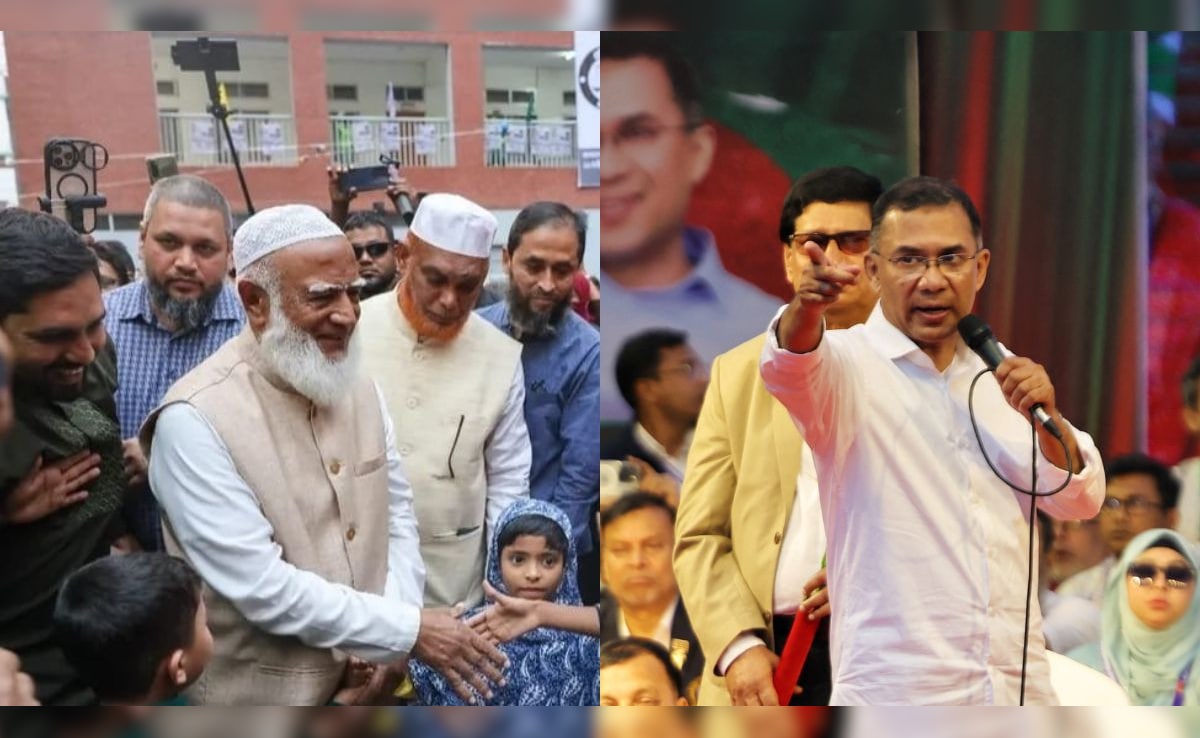
The Bangladesh Nationalist Party (BNP), led by Tarique Rahman, is cruising towards a landslide win in the country, years after student-led protests led to the ouster of former prime minister Sheikh Hasina.
In a seismic shift in Bangladesh's political landscape, the Bangladesh Nationalist Party (BNP), under the formidable leadership of Tarique Rahman, has swept to a resounding victory in the recent general elections. This electoral triumph marks a dramatic return to power for the party after two decades, fundamentally reshaping the nation's governance following the student-led protests that culminated in the ouster of former Prime Minister Sheikh Hasina.
The provisional results underscore a clear mandate for the BNP. As vote counting progressed, the BNP and its allied factions secured an impressive 208 seats, firmly establishing their dominance. Following them, Jamaat-e-Islami and its alliance managed to clinch 69 constituencies, indicating a fragmented opposition beyond the leading party. These figures illustrate the strong public sentiment for change that has defined the current political cycle in Bangladesh.
Central to this historic victory is the commanding performance of Tarique Rahman himself. Contesting from two crucial constituencies, Dhaka-17 and Bogura-6, Rahman emerged victorious in both. His dual wins are not just personal triumphs but a clear signal of his imminent ascension to the nation's top executive post, setting the stage for him to become Bangladesh's next prime minister. This development is particularly notable as it would mark the first time in 35 years that a male leader assumes the premiership of Bangladesh, further cementing the narrative of a new era in the country's political leadership.
The BNP's resurgence also saw them reclaim strategically important seats. Among these is the Bogura-7 constituency, a traditional stronghold previously held by former Prime Minister Khaleda Zia from 1991 until 2008. The party's victory in this seat, which they had lost when Zia did not contest in 2014, holds significant symbolic weight, reinforcing the party's legacy and voter loyalty in key regions. While Jamaat-e-Islami trailed significantly, its leader, Shafiqur Rahman, managed to secure a win in the Dhaka-15 seat, demonstrating pockets of support for the Islamist party.
Adding to the diverse fabric of the new parliament, the National Citizen Party (NCP), a vibrant force comprised of activists instrumental in the 2024 movement that led to the collapse of Hasina's government, made a notable entry. As part of the Jamaat-led alliance, the NCP successfully won five out of the thirty seats it contested, signaling the emergence of new political actors and a broader representation of civil society movements within the legislative assembly.
The elections also marked a significant milestone for women in Bangladesh's political arena, with seven female candidates securing victories across various constituencies. This encouraging trend highlights growing female participation and representation. Prominent winners include five candidates from the BNP: Afroza Khanam Rita in Manikganj-3, Tahsina Rushdir Luna in Sylhet-2, Farzana Sharmin in Natore-1, Shama Obaid Islam in Faridpur-2, and Nayab Yusuf Ahmed in Faridpur-3. Additionally, Israt Sultana Elen Bhutto, an alliance candidate with the BNP, won in Jhalakati-2, and independent candidate Rumeen Farhana triumphed in Brahmanbaria-2, showcasing diverse pathways to political success for women.
Despite the overall smooth conduct, the Election Commission of Bangladesh has temporarily withheld results for three constituencies, citing ongoing legal issues that require resolution. Furthermore, the official declaration of victory for two BNP candidates, Sarwar Alamgir from Chittagong-2 and Aslam Chowdhury from Chittagong-4, remains pending due to appeals related to loan cases currently under review in court. These instances underscore the meticulous and often complex legal processes that underpin democratic elections.
A striking feature of these elections was the unprecedented absence of the Awami League's iconic "boat" symbol on the ballots—a first in three decades. This significant development stems from the interim government, led by Muhammad Yunus, which, following the widespread protests of 2024, enacted a ban on all activities of the Awami League. Subsequently, the national poll body suspended the party's registration, effectively removing them from the electoral process. From her refuge in Delhi, former Prime Minister Sheikh Hasina vehemently denounced these elections as "illegal," casting a shadow of contention over the legitimacy of the process from the perspective of the former ruling party. The absence of a major political force like the Awami League undeniably reshapes the competitive dynamics and future political discourse of Bangladesh.
As Bangladesh embarks on this new political chapter, the resounding victory of the BNP and the impending leadership of Tarique Rahman signify a profound recalibration of power. The incoming government faces the significant challenge of uniting a diverse populace, addressing the nation's socio-economic priorities, and upholding democratic principles in a political environment still reverberating from recent upheavals. The path ahead will demand strategic governance and a commitment to stability as the country navigates its renewed democratic journey.