BAP को बड़ा झटका, पार्टी के संयोजक संरक्षक ने ही छोड़ा साथ, 10 से ज्यादा नेता कांग्रेस में शामिल
By NewsDose Team
Updated on February 15, 2026
5 min read
Key takeaways
भारत आदिवासी पार्टी के संयोजक संरक्षक रह चुके प्रो. मणिलाल गरासिया ने भी बीएपी का साथ छोड़ दिया है. उन्हें बीएपी के अहम नेताओं में गिना जाता था.
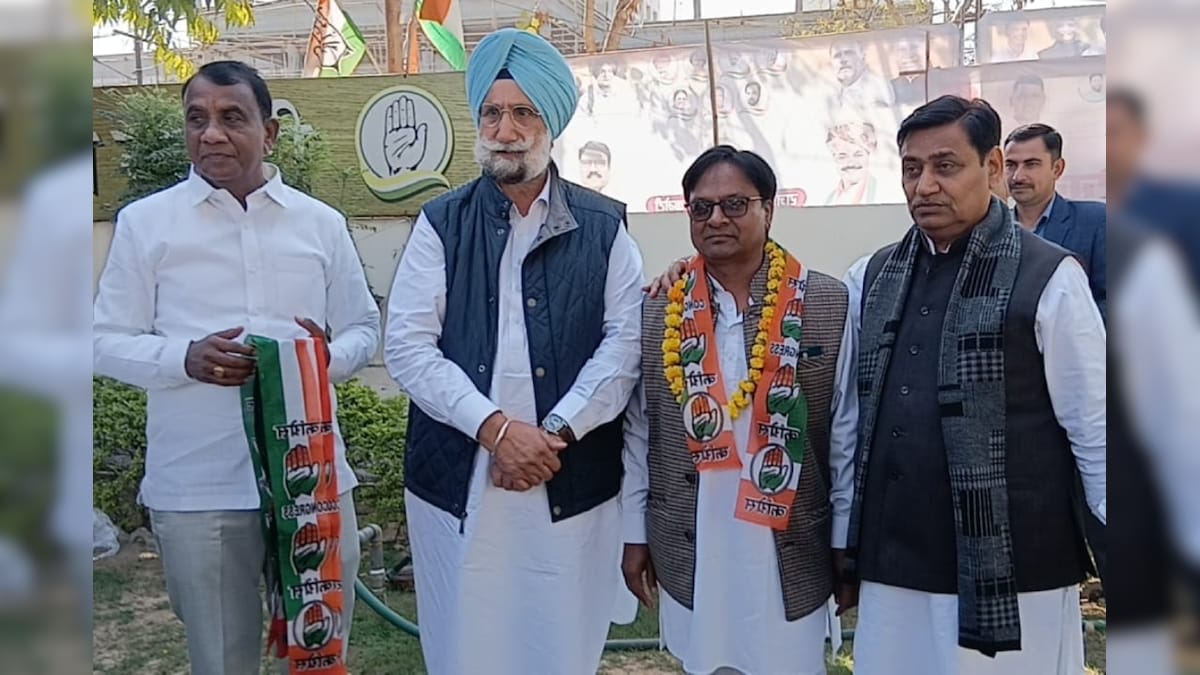
A significant political shift has unfolded in Rajasthan's tribal-dominated regions, as several key leaders from the Bharat Adivasi Party (BAP), a prominent regional force, have formally joined the Indian National Congress. This development, which took place today, February 15th, marks a notable setback for BAP and presents a strategic gain for the Congress party in the state.
Central to this wave of defections is Professor Manilal Garasiya, a highly respected and influential figure in local politics, who previously served as a convener-patron of the Bharat Adivasi Party. Prof. Garasiya’s influence is deeply rooted in Banswara’s political landscape, where he has been actively involved for years. Beyond his role in BAP, he has also been a driving force and convener-patron of the Bhil Pradesh Mukti Morcha, advocating for tribal rights and development. His extensive political experience includes contesting elections from the Garhi assembly constituency, and he currently holds the esteemed position of State Vice President of the Teachers Congress. His decision to align with Congress, accompanied by his entire district team, underscores a deep-seated disillusionment within the regional party.
In a candid explanation for his departure, Prof. Garasiya highlighted the fundamental issues that led to his change of allegiance. He stated that he was deeply troubled by what he described as the "hatred and casteist politics" pervasive within the Bharat Adivasi Party. According to Prof. Garasiya, this divisive approach was severely hindering progress and fostering an unhealthy political environment in the tribal areas. He further alleged that the party's "directionlessness" and the "self-serving interests of a select few leaders" had collectively stalled crucial developmental initiatives, preventing the region from realizing its full potential.
With his new affiliation, Prof. Garasiya expressed a renewed commitment to working towards inclusive growth and social harmony. He articulated his immediate goals, which include dedicating efforts to connect the young members of the Bhil community with the principles and objectives of the Congress party. Moreover, he pledged to actively campaign to eradicate the जातिवादी राजनीति (caste-based politics) that he believes has long plagued the region, advocating for a more unified and progressive political discourse.
Prof. Garasiya's move was not an isolated incident. A substantial number of other influential office-bearers and leaders also announced their departure from the Bharat Adivasi Party to join the Congress. Among the prominent figures who switched allegiances were Dilip Pandda, who previously served as the BTP District President; Narayan Bamaniya, the Garhi Block President; Shankar Maida, the Talwara President; and Sunny Bhai Dendor, the Block President of the Talwara Tribal Mazdoor Sangh. The list also includes key individuals such as Henry Patel, Nitesh Katiya, Manish Maida, Pawan Bujh, Dinesh Dabi, and Govind Yadav, among several others. Their collective exodus signifies a considerable erosion of BAP’s organizational strength and leadership cadre across various levels, particularly in key tribal strongholds.
This political maneuvering is expected to have significant repercussions, potentially reshaping the electoral dynamics in Rajasthan's tribal belts. For the Congress, it represents a timely strategic victory, enhancing its footprint and outreach among a vital demographic. Conversely, for the Bharat Adivasi Party, this development necessitates a period of intense introspection and a comprehensive re-evaluation of its internal functioning and political strategies to stem further losses and consolidate its base. The incident vividly underscores the dynamic and intensely competitive nature of political alliances and allegiances within the state, especially concerning regional and identity-focused political entities.