Trump Says 'Hopefully' Won't Need Iran Military Action
By NewsDose Team
Updated on January 30, 2026
5 min read
Key takeaways
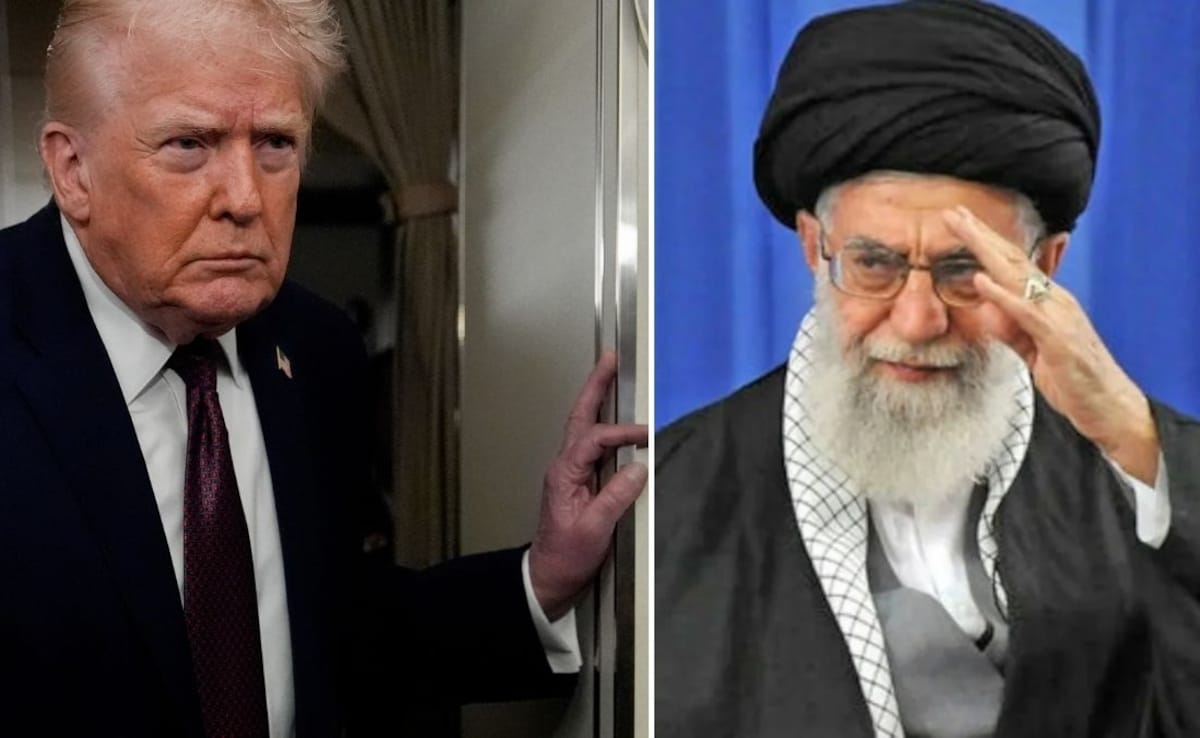
US President Donald Trump said Thursday he hoped to avoid military action against Iran, saying he planned to have further talks with Tehran on a possible nuclear deal.
Key Takeaways
- President Donald Trump has expressed a strong preference for diplomatic solutions over military engagement with Iran.
- He is actively pursuing new negotiations with Tehran for a possible nuclear deal, aiming to prevent proliferation and de-escalate tensions.
- These diplomatic overtures are underscored by a significant US military buildup, signaling readiness while emphasizing a desire for peace through strength.
The Full Story: Trump's Dual Strategy on Iran
President Donald Trump recently articulated his administration's approach to Iran, signaling a desire to de-escalate tensions and avoid armed conflict. His remarks, made at the premiere of a documentary dedicated to First Lady Melania Trump, highlighted a critical juncture in US-Iran relations, blending a call for diplomacy with a clear demonstration of military resolve.
The diplomatic thrust of President Trump's comments was unmistakable. He explicitly stated his intention for "further talks with Tehran on a possible nuclear deal." This indicates a continued effort to engage Iran in diplomatic channels, potentially seeking an agreement that addresses the international community's concerns regarding Iran's nuclear program. This pursuit of dialogue comes against a backdrop of complex historical dynamics and previous nuclear agreements between the two nations, suggesting a renewed push for a comprehensive resolution.
Counterbalancing his call for talks, Trump underscored the formidable military strength developed during his first term. He noted,
"I built (up) the military in my first term, and now we have a group headed out to a place called Iran, and hopefully we won't have to use it."This statement serves as a clear demonstration of capability, aiming to bolster the US negotiating position and deter any potential aggression. It reinforces the long-standing foreign policy concept of "peace through strength," where military readiness is presented as a prerequisite for effective diplomacy.
When pressed further about direct discussions with Iran, President Trump affirmed,
"I have had and I am planning on it. Yes, we have a lot of very big, very powerful ships sailing to Iran right now, and it would be great if we didn't have to use them."These comments reveal a nuanced strategy: extending an olive branch for dialogue while simultaneously deploying considerable military assets to the region. The presence of powerful naval assets, including aircraft carriers and support ships, sends an unmistakable message of deterrence and readiness, designed to keep all options open and exert maximum pressure for a peaceful resolution.
Why This Matters: Navigating a Volatile Geopolitical Landscape
President Trump's recent statements regarding Iran carry significant weight for global stability and regional dynamics, particularly in the Middle East. The pursuit of a new nuclear deal could reshape the international framework governing nuclear non-proliferation and potentially reduce the risk of a regional arms race. For the Middle East, a diplomatic breakthrough could foster greater stability and economic cooperation, while any miscalculation or failure in talks could rapidly escalate into conflict, impacting global energy markets, international trade routes, and humanitarian concerns.
Domestically, these foreign policy decisions reflect President Trump's overarching strategy of prioritizing American interests while navigating complex international challenges. The delicate interplay between diplomacy and military deterrence showcased in his remarks offers a critical insight into the administration's foreign policy doctrine, which often seeks to project strength as a precursor to negotiation. The outcome of these efforts will undoubtedly have lasting implications for global security and the future of international relations.
Frequently Asked Questions
What is President Trump's primary goal concerning Iran?
President Trump's primary goal is to avoid military conflict with Iran while actively pursuing a diplomatic resolution through a possible new nuclear deal. He aims for peace but maintains a strong military deterrent as leverage.
Why did President Trump highlight the US military buildup?
He highlighted the military buildup to underscore the United States' strength and readiness, which serves as a powerful deterrent and a point of leverage in potential negotiations with Iran. It conveys a message of "peace through strength."
Where did President Trump make these statements?
The statements were made at the premiere of a documentary about First Lady Melania Trump, providing an informal yet significant platform for his foreign policy pronouncements.