Ajit Pawar's Life In Photos: From Baramati To Maharashtra Deputy Chief Minister
By NewsDose Team
Updated on January 28, 2026
5 min read
Key takeaways
Maharashtra Deputy Chief Minister Ajit Pawar and four other persons were killed after an aircraft carrying them crashed in the Baramati district on Wednesday morning.
A pall of grief has descended upon Maharashtra following the tragic demise of its Deputy Chief Minister, Ajit Pawar, who, along with four other individuals, perished in a devastating plane crash in the Baramati district. The incident, which occurred on Wednesday morning, involved a privately operated chartered aircraft that had departed from Mumbai, carrying a total of five occupants. Officials have confirmed that there were no survivors, leaving the state and the nation in profound shock.
The Directorate General of Civil Aviation (DGCA) swiftly confirmed the tragic outcome, initiating a comprehensive investigation into the circumstances that led to the crash. The victims include two experienced pilots, a personal security officer accompanying Mr. Pawar, and an attendant, all of whom lost their lives in the unfortunate accident. The sudden loss has created an irreplaceable void in Maharashtra's political landscape, which Mr. Pawar had shaped significantly over several decades.
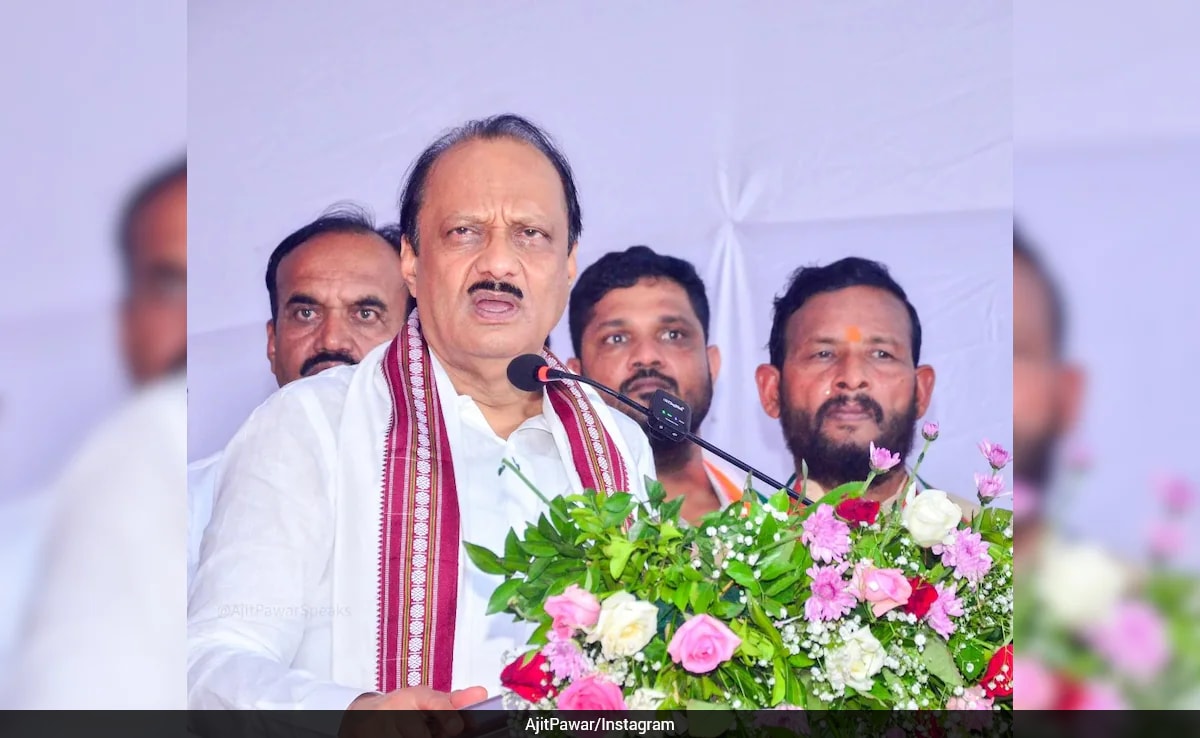
Ajit Pawar, born on July 22, 1959, was a towering figure in Indian politics and a prominent member of one of Maharashtra's most influential political families, being the nephew of veteran leader Sharad Pawar. His journey into public life began through the robust sugar cooperative network, traditionally a crucial stepping stone for political aspirants in Maharashtra. This early engagement provided him with a deep understanding of grassroots politics and the agricultural sector, which would serve as a foundation for his illustrious career.
His electoral debut saw him enter the Lok Sabha in 1991, representing the Baramati Parliamentary constituency. Demonstrating his commitment to his family's political legacy, he later vacated this seat for his uncle, Sharad Pawar, a move that underscored his strategic approach to state and national politics. However, it was his consistent presence in the Maharashtra Legislative Assembly that truly defined his political might.
Mr. Pawar was elected to the Maharashtra Legislative Assembly a remarkable seven times from the Baramati constituency. His victories included a crucial by-election win in 1991, followed by successive triumphs in 1995, 1999, 2004, 2009, and 2014. Each election victory solidified his position as an unassailable force in regional politics, reflecting the unwavering trust and support he commanded from his constituents.
Beyond his electoral success, Ajit Pawar holds the distinction of being the longest-serving Deputy Chief Minister of Maharashtra, albeit non-consecutively. His extensive experience saw him serve alongside various chief ministers, including Prithviraj Chavan, Devendra Fadnavis, Uddhav Thackeray, and Eknath Shinde. This unique position allowed him to witness and actively participate in the governance of Maharashtra under different political dispensations, showcasing his adaptability and indispensability in coalition politics.
His political career was frequently punctuated by dramatic and often unpredictable turns, demonstrating his assertive and decisive leadership style. A notable instance occurred in November 2019, when he orchestrated a significant split within his party, aligning with the opposition to form a new government and once again assuming the role of Deputy Chief Minister. This move, while controversial, highlighted his willingness to take bold decisions in pursuit of his political objectives. More recently, in February 2024, the Election Commission of India awarded the party name and symbol to the faction headed by Ajit Pawar, solidifying his control and influence within his political organization.
Ajit Pawar is survived by his wife, Sunetra Pawar, and their two sons, Jay Pawar and Parth Pawar. His untimely death marks the end of an era in Maharashtra politics, leaving behind a legacy of profound political acumen, strategic leadership, and an unwavering commitment to public service. The state mourns the loss of a dynamic leader whose contributions to its development and governance will be remembered for years to come.