अजित के बाद अब किसके हाथ जाएगी NCP की कमान, पवार फैमिली से 3 तो परिवार से बाहर भी हैं 3 दावेदार
By NewsDose Team
Updated on January 30, 2026
5 min read
Key takeaways
अजित पवार के अंतिम संस्कार के बाद NCP के दोनों धड़ों के कई नेताओं ने उनकी पत्नी सुनेत्रा पवार से मुलाकात की. मुलाकात के बाद यह चर्चा शुरू हुई कि इन नेताओं ने सुनेत्रा पवार को जिम्मेदारी संभालने के लिए कहा. NCP में अजित पवार के उत्तराधिकारी के रूप में कई नामों की चर्चा चल रही है. आइए जानते हैं, कौन-कौन हैं?
The sudden and tragic demise of Ajit Pawar has plunged Maharashtra's political landscape into a state of flux, igniting a fervent, albeit discreet, search for his successor. As the stalwart who deftly navigated the complex currents of state politics and held significant administrative portfolios within the Mahayuti government, filling the void left by 'Baramati's Dada' is undoubtedly a monumental challenge for the Nationalist Congress Party (NCP) and the broader political establishment.
Ajit Pawar, a political force who rose under the tutelage of his uncle Sharad Pawar before eventually asserting his own leadership over a significant faction of the NCP, was widely regarded for his decisive administrative style and strategic acumen. His untimely passing not only creates an immediate leadership vacuum within his party faction but also raises profound questions about the future direction of the NCP and the stability of the state government.
Immediate Aftermath: The Rise of Sunetra Pawar's Name
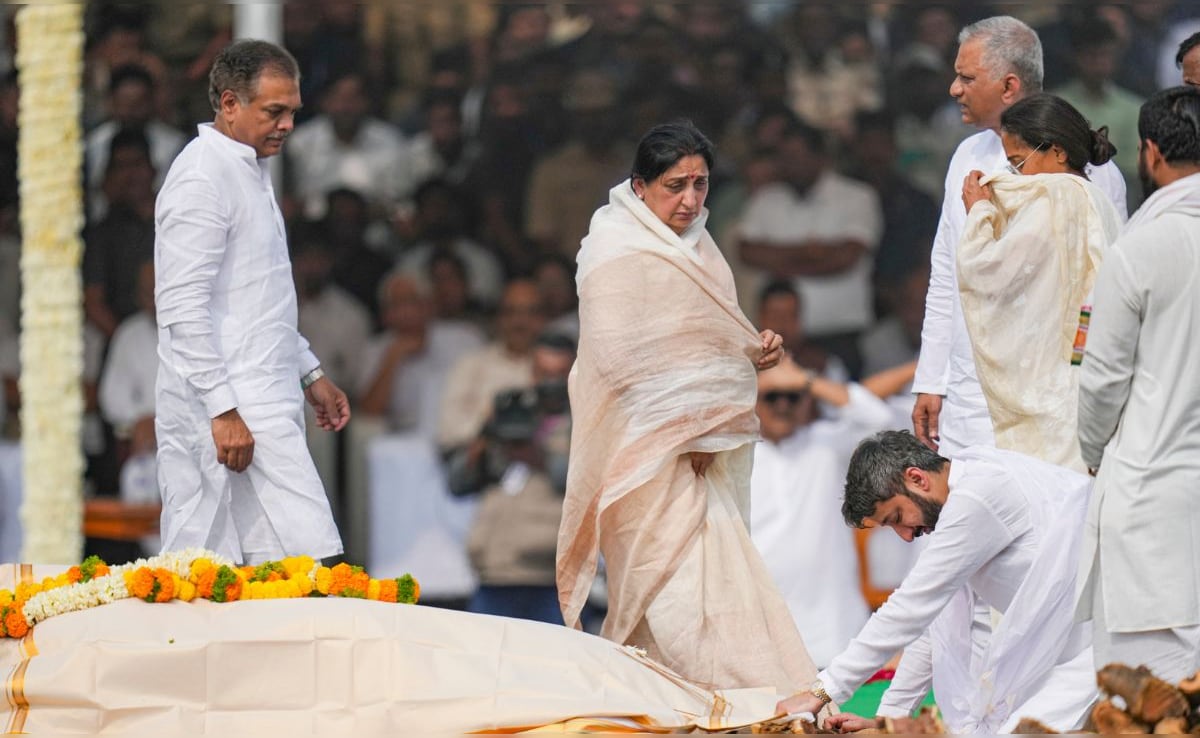
In the somber days following Ajit Pawar's funeral, held at Baramati's Vidya Pratishthan grounds, an unmistakable buzz began to circulate among party circles. Numerous leaders from both factions of the NCP were observed meeting with his widow, Sunetra Pawar. While these initial encounters were publicly framed as courtesy calls and expressions of condolence, whispers quickly grew into open speculation about her potential ascension to a leadership role. Despite public denials from senior figures like Chhagan Bhujbal regarding any immediate political discussions, the sentiment on the ground suggested a clear gravitation towards Sunetra Pawar.
The intensity of these discussions only escalated when prominent figures, including Praful Patel, Chhagan Bhujbal, and Dhananjay Munde, were seen engaging with Sunetra Pawar. This series of high-profile meetings fueled considerable speculation that she was being actively encouraged to step into a more prominent political role, potentially even as the Deputy Chief Minister, a position previously held by her late husband. While some leaders attempted to downplay these meetings as purely compassionate gestures, the political undertones were palpable.
Adding further weight to these growing calls, NCP cabinet minister Narhari Zirwal publicly advocated for Sunetra Pawar to be appointed Deputy Chief Minister. His demand was swiftly echoed by Suresh Ghule, the state vice-president of the NCP, who went a step further, urging Praful Patel and Sunil Tatkare to consider her for the party's national presidency and immediate elevation to the Deputy Chief Minister's post in Maharashtra. Currently serving as a Rajya Sabha MP, Sunetra Pawar's existing political standing provides a natural foundation for these suggestions, yet the transition from a parliamentary role to a primary executive position would represent a significant leap.
The Contenders: Weighing Family and Party Loyalties
The search for Ajit Pawar's successor inherently involves a delicate balance between dynastic expectations and established party hierarchy. Several names have emerged as potential torchbearers, each bringing their own strengths, challenges, and political baggage to the fore.
Within the Pawar Family:
- Sunetra Pawar: As Ajit Pawar's widow and a current Rajya Sabha MP, Sunetra Pawar stands at the forefront of the succession discussion. Her immediate proximity to the former Deputy CM and the emotional outpouring from the party cadre naturally place her in a strong position. However, stepping into such a demanding role would entail navigating the complex administrative and political machinery of the state, a challenge that requires significant political acumen and experience beyond her current parliamentary duties. Her potential elevation would symbolize continuity and rally the family's traditional base.
- Parth Pawar: Ajit Pawar's elder son, Parth Pawar, possesses a degree of political experience, having contested the 2019 Lok Sabha elections from the Maval constituency, albeit unsuccessfully. Many of Ajit Pawar's loyalists express a desire for his legacy to be carried forward by a direct bloodline. However, Parth's electoral defeat and, more recently, his implication in a land deal controversy in Pune, could present significant obstacles to his full acceptance as a statewide leader. His past political foray provides a foundation, but overcoming these challenges would be crucial.
- Jay Pawar: The younger son of Ajit Pawar, Jay Pawar, has largely operated behind the scenes, away from the public glare of active politics. Despite his lower public profile, his name is increasingly being discussed as a potential successor, particularly if the party seeks to project a youthful and untainted leadership image. The absence of significant controversies surrounding Jay, unlike his elder brother, could enhance his appeal and make him a more viable option for a party looking to move forward without past shadows. His potential emergence could signify a generational shift within the family's political involvement.
Beyond the Immediate Family: Experienced Party Veterans:
While the family angle is strong, the NCP also boasts a roster of seasoned leaders with extensive political and administrative experience, making them formidable contenders for the top spot.
- Praful Patel: Currently serving as the working president of the NCP, Praful Patel is one of the most experienced and nationally recognized faces within the party. He played a crucial strategic role during Ajit Pawar's rebellion, demonstrating his organizational control and political astuteness. Patel's deep understanding of state and national politics, coupled with his strong connections, positions him as a strong candidate. The primary question, however, remains whether the Baramati stronghold, deeply tied to the Pawar family, would fully embrace a leader from outside the immediate lineage.
- Chhagan Bhujbal: A prominent OBC (Other Backward Classes) leader within the NCP, Chhagan Bhujbal has a long and active career in Maharashtra politics. His extensive knowledge of the state's political landscape and his ability to mobilize significant sections of the electorate make him a powerful figure. However, Bhujbal's political journey has been marked by instances of party defection and accusations of involvement in various alleged scams, which could potentially impede his path to the top leadership role and raise questions about his credibility.
- Sunil Tatkare: Sunil Dattatrey Tatkare is widely regarded as one of Ajit Pawar's closest confidantes. As the current Maharashtra state president of the NCP (Ajit Pawar faction) and a sitting Lok Sabha MP from Raigad, Tatkare commands significant influence. His impressive track record includes serving in critical ministerial portfolios such as finance, energy, and water resources in the state government. Having assumed the state president's role in July 2023, his leadership experience and loyalty to Ajit Pawar's vision make him a strong, trusted, and influential contender, potentially ensuring continuity in leadership and policy.
A Unifying Angle: The Prospect of Pawar Family Reconciliation?
Amidst the internal deliberations over succession, a compelling and potentially transformative angle has emerged: the possibility of a complete unification of the fractured Pawar family. Political analysts like Dayanand Nene suggest that Ajit Pawar himself had, at various points, hinted at a future reconciliation between the two NCP factions. While his untimely passing has undoubtedly inflicted a profound emotional blow on the entire family, it could paradoxically serve as a catalyst for such a rapprochement.
Nene highlights that Sharad Pawar's poignant reaction to his nephew's death, describing it as a loss of a decisive and strong leader for Maharashtra, underscores the deep emotional impact of the tragedy. This shared grief, according to Nene, has brought the entire Pawar family closer, creating an environment ripe for discussions about merger. Such a unification could see a strategic division of responsibilities, perhaps with Supriya Sule continuing to focus on national politics, while Sunetra Pawar assumes a prominent role in state politics, possibly as Deputy Chief Minister. This move would not only consolidate the NCP's strength but also reshape the broader political dynamics of Maharashtra, potentially offering a formidable united front.
The weeks and months ahead will be critical for the NCP. The choice of Ajit Pawar's successor will not only determine the future trajectory of his faction but could also have far-reaching implications for the stability of the Mahayuti government and the intricate power balance within Maharashtra politics. The decision will require careful consideration, balancing emotional appeal, political experience, and strategic foresight, to navigate the party through this unprecedented period of transition.