Ajit Pawar, 'Dada' Of Maharashtra Politics, Who Shook Up Sharad Pawar's Party
By NewsDose Team
Updated on January 28, 2026
5 min read
Key takeaways
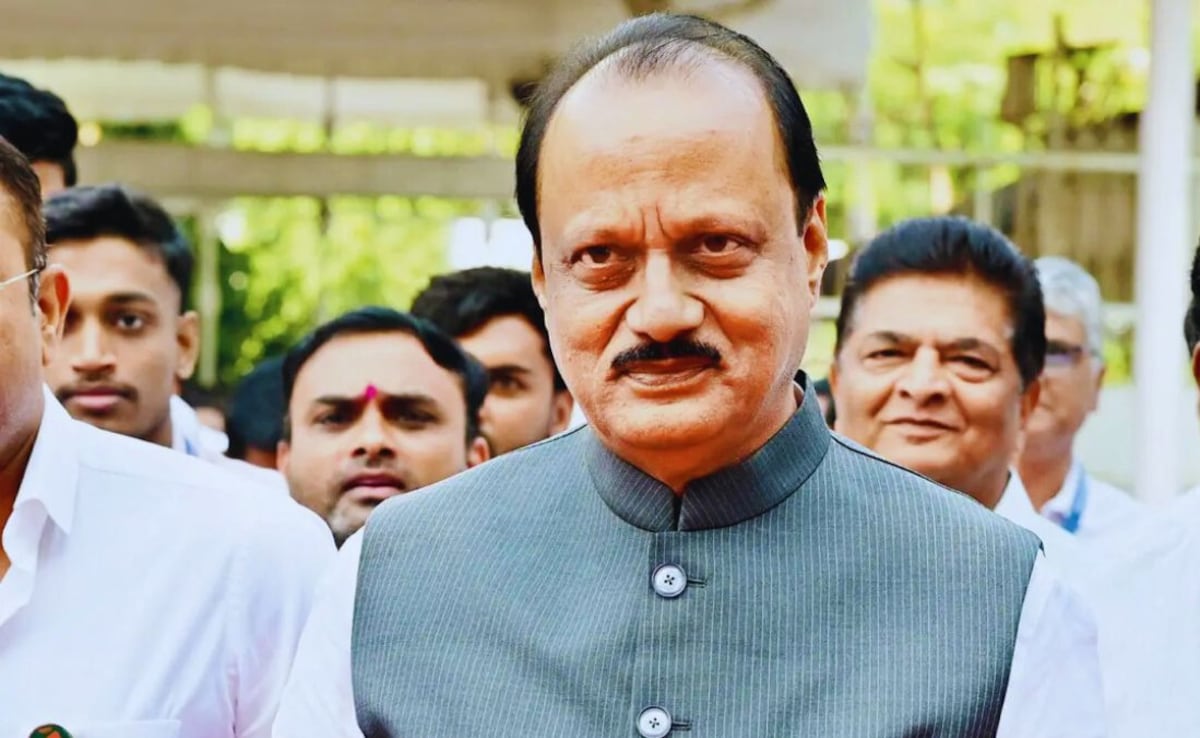
Ajit Pawar - the Deputy Chief Minister of Maharashtra and one of the state's key power brokers, certainly after the June 2023 split from uncle Sharad Pawar's side - died in a plane crash Wednesday morning.
Maharashtra's political landscape has been rocked by the sudden passing of Ajit Pawar, the state's Deputy Chief Minister and an undeniable force in regional politics. Pawar, 66, met his untimely demise in a plane crash on Wednesday morning, as a private aircraft carrying him from Mumbai to his family's political bastion of Baramati crashed while attempting to land approximately an hour after takeoff.
The news sent shockwaves across the nation, marking the abrupt end of a career spanning more than three turbulent decades. Ajit Pawar leaves behind a significant personal legacy, survived by his wife Sunetra Pawar, who serves as a Rajya Sabha MP, and his two sons, Parth and Jay.
For many, Baramati was more than just a destination; it was the crucible where Ajit Pawar's political ambitions were forged. This now-thriving sugarcane-producing region served as the proving ground for a young Pawar, who, initially operating in the shadow of his formidable uncle, Sharad Pawar, meticulously learned the intricate dance of power and statecraft. It was here that he was molded into the shrewd, pragmatic, and often unyielding politician who would dramatically reshape Maharashtra's political narrative.
Pawar's political journey was characterized by audacious moves and dramatic reversals. His career began within the Nationalist Congress Party (NCP), where he rose through the ranks to become a dominant figure. However, it was his pivotal role in two major political upheavals that truly cemented his reputation as a political disruptor.
The first significant tremor occurred in November 2019, when Ajit Pawar orchestrated a stunning, albeit brief, defection to form a surprise government with the Bharatiya Janata Party (BJP). This alliance, which lasted a mere 80 hours, exposed the first public fracture within the venerable NCP family and set the stage for future realignments. Despite its short-lived nature, the move underscored Pawar's willingness to challenge conventions and pursue his political objectives with unwavering resolve.
The rupture became permanent and far more impactful in July 2023. Leading a substantial faction of MLAs, Ajit Pawar once again joined forces with the BJP-led government, this time assuming the powerful position of Deputy Chief Minister. This decisive move irrevocably split the NCP down the middle, leading to a protracted battle for control over the party's name and symbol. Months later, the Election Commission of India ruled in favor of Ajit Pawar's faction, recognizing them as the legitimate NCP and leaving Sharad Pawar's loyalists to rebuild their political identity under a new banner.
Ajit Pawar's extraordinary story transcends that of a powerful state leader; it serves as a compelling microcosm of India's evolving political landscape. His career exemplified a new era where traditional alliances are fluid, established political families grapple with internal divisions, and survival often demands radical reinvention. In both his life and his enduring legacy, Ajit Pawar remained a central and often controversial player, an astute strategist whose influence on Maharashtra politics will be debated and remembered for years to come. His sudden absence leaves a void that will undoubtedly trigger new dynamics and alignments within the state's intricate political fabric.