How The Son Of Iran's Supreme Leader Built A Global Property Empire
By NewsDose Team
Updated on January 30, 2026
5 min read
Key takeaways
On a tree-lined street in north London, known as "Billionaire's Row," a clutch of mostly empty mansions sit behind tall hedges and blacked-out gates. As school children wander by, private guards in dark SUVs patrol outside.
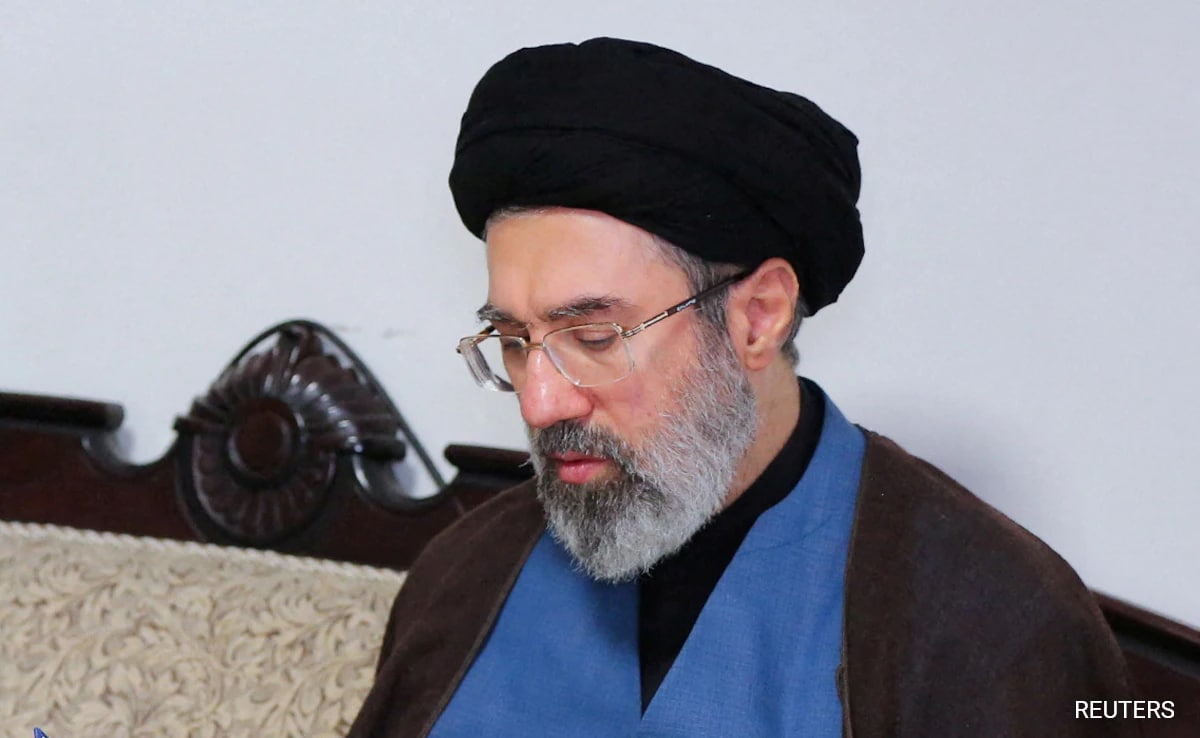
In the quiet, tree-lined avenues of north London, an air of discreet opulence masks secrets stretching across continents. Here, on what is affectionately known as "Billionaire's Row," stately mansions stand guarded by high hedges and imposing gates, their true ownership often obscured behind layers of corporate veils. These luxury properties, many appearing largely unoccupied, represent a mere glimpse into a sophisticated financial network allegedly linking Tehran, Dubai, and the heart of Europe. At its labyrinthine core, this expansive empire is reportedly controlled by Mojtaba Khamenei, the second-eldest son of Iran's Supreme Leader.
Mojtaba Khamenei, a 56-year-old cleric, is not only a figure of immense influence within Iran’s political landscape but is also widely considered a potential successor to his aging father, Ayatollah Ali Khamenei. Despite maintaining a remarkably low public profile, his alleged oversight extends to a sprawling investment portfolio. Individuals familiar with these dealings, alongside assessments from a leading Western intelligence agency, suggest that while Khamenei meticulously avoids placing assets directly in his own name, he has been intimately involved in orchestrating these complex financial arrangements since at least 2011.
This immense financial power is said to encompass an astonishing array of assets. From significant stakes in Persian Gulf shipping operations and confidential Swiss bank accounts to a portfolio of British luxury real estate alone valued in excess of £100 million (approximately $138 million), the reach is truly global. Sources, who spoke on condition of anonymity due to profound fears of retribution or because they are not authorized to disclose such sensitive information, indicate that this intricate web of firms has been instrumental in channeling what is estimated to be billions of dollars into Western markets. This has reportedly continued even in the face of robust US sanctions imposed on Khamenei in 2019, highlighting significant vulnerabilities in the global financial system designed to prevent such capital flows.
Among the high-value acquisitions are prime real estate holdings in some of London's most exclusive districts, including one property purchased in 2014 for an astonishing Euro 33.7 million. The empire also reportedly includes a luxurious villa nestled in an area of Dubai often likened to "Beverly Hills," and upscale European hotels dotted across prestigious locations, from the bustling financial hub of Frankfurt to the sun-drenched shores of Mallorca. The funds facilitating these transactions have reportedly been meticulously routed through bank accounts in the United Kingdom, Switzerland, Liechtenstein, and the United Arab Emirates. Confidential documents and insights from informed individuals reveal that the primary source of these funds originates from Iranian oil sales, a crucial revenue stream for the Islamic Republic.
Crucially, none of the examined documents directly attribute ownership of these vast assets to Mojtaba Khamenei himself. Instead, a considerable number of these significant purchases appear under the name of Ali Ansari, a prominent Iranian businessman. Ansari, who was notably sanctioned by the UK in October of the previous year, is alleged to serve as Khamenei’s principal financial intermediary operating beyond Iran’s borders.
The existence of such a hidden fortune stands in stark contrast to the carefully cultivated public image of Iran's Supreme Leader and his family. State-controlled media frequently portray them as adherents to an austere and pious lifestyle, embodying the revolutionary ideals that led to the overthrow of the monarchy in 1979 in the name of the poor and Islamic values. While there is little evidence to suggest the Khamenei family has personally utilized these foreign assets to fund lavish personal lifestyles, the sheer scale of the younger Khamenei’s alleged hidden wealth directly contradicts the narrative of piety promoted by the regime. This dissonance is particularly poignant amidst rising poverty within Iran and widespread unrest, with protests against the Islamic Republic gaining momentum and thousands reportedly killed since the beginning of the year, further fueling support for the ousted monarchy.
Public anger in Iran has frequently been directed at pervasive economic corruption and perceived mismanagement within the regime. This discontent often targets the "aghazadeh"—a pejorative term used to describe the privileged children of the elite who are widely accused of accumulating immense wealth through their relatives' political connections and influence.
A comprehensive, year-long investigation has meticulously unveiled how the financial reach of the Supreme Leader’s family has extended far beyond the traditional confines of the Islamic Republic. This investigative endeavor is built upon extensive interviews with individuals possessing direct, first-hand knowledge of Mojtaba Khamenei's intricate financial dealings. It further relies on a painstaking review of a multitude of real estate records and sensitive confidential business documents, which range from detailed hotel management agreements to intricate corporate ownership structures and verified bank transfer records. According to a Western intelligence assessment, Ansari, in particular, has played an absolutely vital and central role in facilitating these complex and clandestine transactions.
Despite his growing influence and the intensifying debate surrounding who will eventually succeed his 86-year-old father as Iran’s next absolute leader, Mojtaba Khamenei has largely managed to avoid the public spotlight. He is widely regarded as a powerful, behind-the-scenes orchestrator within Iran's political system, maintaining exceptionally close ties to the country's formidable Islamic Revolutionary Guard Corps (IRGC).
The timing of these succession questions is particularly critical, as Tehran currently appears to be in a strategically weaker position than almost any point since Ayatollah Ali Khamenei ascended to the top post in 1989. This vulnerability is a direct consequence of a sanctions-battered economy, the impact of recent military strikes attributed to Israel and the US, and the observable erosion of its regional proxy forces in the wake of the ongoing Gaza conflict.
The detailed narrative of the Khamenei overseas investment portfolio serves as a potent illustration of how Iran's elite has consistently managed to move substantial capital abroad. This has occurred despite the nation being subjected to one of history's most stringent and comprehensive sanctions regimes over the past two decades, primarily due to its contentious nuclear program and its consistent support for armed groups opposing Israel and Western policies in the Middle East. These economic pressures have only intensified since Donald Trump returned to office in 2025, signaling a renewed hardline stance. However, experts in illicit finance highlight that fundamental weaknesses within the global financial system—such as lax beneficial ownership registries and limitations in sanctions enforcement mechanisms—can inadvertently create fertile ground for clandestine financial networks to not only survive but thrive. Adding to this pressure, the US President recently issued a stark warning, threatening military strikes over Iran's nuclear program.
"Mojtaba holds significant stakes or exercises de facto control over various entities both within Iran and internationally," observes Farzin Nadimi, a respected senior fellow at The Washington Institute for Near East Policy, who has conducted extensive research into the Khamenei family's alleged financial empire. "When one undertakes a thorough analysis of his financial network, Ali Ansari emerges as the primary account holder for him. This effectively positions Ansari as one of the most influential and powerful oligarchs in the country today."
In a statement issued through his legal representation, Ansari vehemently asserted that he "strongly denies that he has ever had any financial or personal relationship with Mojtaba Khamenei." He also conveyed his firm intention to challenge the UK sanctions that have been imposed upon him. Attempts to reach Mojtaba Khamenei for comment, dispatched on January 12 via the Iranian foreign ministry and the nation’s embassies in the UAE and UK, did not elicit a response. Similarly, Iran's Ministry of Foreign Affairs, its counterpart in the UAE, the US Treasury Department, and the European Union all declined to respond to requests for comment. The UK Foreign Office, the government department responsible for sanctioning Ansari, stated its policy of not disclosing information pertaining to individual cases.
Mojtaba's Alleged Financial Architect
At 57 years old, Ali Ansari, a construction magnate, was conspicuously labeled by British authorities last year as a "corrupt Iranian banker and businessman." He faced sanctions for allegedly "financially supporting" the activities of Iran's Islamic Revolutionary Guard Corps (IRGC), a formidable branch of the military that reports directly to the Supreme Leader and is itself subject to UK sanctions. It is worth noting, however, that Ansari currently faces no sanctions from either the European Union or the United States, highlighting potential disparities in international enforcement.
Ansari’s journey to becoming one of the Islamic Republic's most prominent private sector tycoons is remarkable. Hailing from a working-class family in northwestern Tehran, his rise has seen him become the public face of an expansive domestic business network. This empire includes the colossal and luxurious Iran Mall complex, major wholesale markets critical to the national economy, and the recently dissolved private lender, Ayandeh Bank. Sources with intimate knowledge of the family's history recount that Ansari’s father joined a reconstruction committee, generously funded by the Supreme Leader's office, tasked with refurbishing significant religious sites. This work brought Ansari’s father into direct contact with senior clerics, including key members of the inner circle of the Khamenei family.
During the late 1980s, amidst the closing chapters of the devastating Iran-Iraq War, the younger Ansari was conscripted into military service. It was around this pivotal time that he reportedly first encountered Mojtaba Khamenei, whose father then held the powerful position of Iran's president. Following his military service, Ansari swiftly began securing highly lucrative state contracts and essential import licenses. He rapidly diversified his interests, venturing into construction, shipping, and petrochemicals—industries that, according to some sources, frequently served as convenient conduits for moving government funds offshore and facilitating illicit financial transfers.
Throughout the 1990s and early 2000s, Ansari was primarily recognized as a burgeoning industrialist within Tehran's burgeoning economic landscape. In 2009, he founded TAT Bank, which subsequently embarked on an ambitious plan to construct the Iran Mall, an immense luxury shopping center that would ultimately be owned by the bank itself. By 2013, a significant merger transformed TAT into Ayandeh Bank, a financial institution that dramatically collapsed in 2025. This collapse was engulfed in serious allegations surrounding insider lending practices and became mired in extensive debt and controversy, largely due to its notoriously close political ties to high-ranking officials. Those familiar with the matter assert that Mojtaba Khamenei played a central and instrumental role in both the bank's operations and the gargantuan mall project, with Ansari serving as Ayandeh's principal shareholder.
The secretive nature of their alleged collaboration is further underscored by reports that Ansari would meet privately with Khamenei at a secluded house located in Tehran's upscale Zafaraniyeh district. On numerous occasions, he also reportedly utilized the Ayandeh office to conduct highly confidential discussions. As Ansari’s domestic business empire burgeoned, so too did his crucial role as Mojtaba Khamenei’s principal financial conduit operating beyond Iran's borders. This involved establishing intricate banking relationships across various European nations and ingeniously routing substantial profits derived from oil exports through a complex labyrinth of shell companies based in the United Arab Emirates. A significant portion of the funds traversing this sophisticated network has reportedly flowed through non-Iranian entities such as Ziba Leisure Ltd., a firm registered in Saint Kitts and Nevis; Birch Ventures Ltd., an entity based in the Isle of Man; and A&A Leisure Ltd., alongside Emirati entities including Midas Oil Industries FZC and Midas Oil Trading DMCC.
Officially, the state-owned National Iranian Oil Company is responsible for selling the country's crude oil. However, the crushing weight of international sanctions has largely pushed a considerable portion of this trade into opaque, shadowy channels. These illicit networks often involve numerous front companies, a host of middlemen, and informal traders, according to both US officials and individuals with direct knowledge of the business. Elites closely connected to the Supreme Leader and the powerful IRGC—such as the younger Khamenei—are said to have been central to establishing and controlling some of these vital networks. In one documented instance, a UAE-based intermediary firm was reportedly utilized for transfers conducted via Abu Dhabi Islamic Bank PJSC to Ziba Leisure, according to sensitive SWIFT messages. Documents further indicate that Ziba Leisure was formally incorporated in 2014, listing Ansari and Moris Mashali, an Iranian-born British national, as two of its directors. It is important to note that this specific transfer predated the imposition of any sanctions against either Khamenei or Ansari. Abu Dhabi Islamic Bank stated that it operates under strict regulatory oversight and clarified that the "mentioned entities" are not clients of the institution.
In 2016, Ansari successfully obtained a Cypriot passport, a strategic move that significantly facilitated his ability to open new bank accounts and establish additional companies across Europe. Critically, this also served to mask his deep-seated Iranian political ties, according to individuals familiar with the matter. Subsequently, officials on the island nation reportedly engaged in internal discussions regarding the potential revocation of his citizenship amidst intense scrutiny over his alleged links to the IRGC and the younger Khamenei. The country's Ministry of Interior, while declining to comment specifically on whether Ansari's Cypriot passport had been revoked, confirmed that the case remains under active investigation.
The Broader Context and Calls for Accountability
Iran's Supreme Leader presides over one of the nation's wealthiest organizations, known as the Execution of Imam Khomeini's Order (SETAD). This powerful entity was originally created through the systematic seizure of thousands of properties and assets in the aftermath of the 1979 revolution. Today, SETAD manages billions of dollars worth of diverse assets, extensive commercial holdings, and a network of charities, making it one of the largest state-owned conglomerates in the entire Middle East, with operations spanning sectors from insurance to energy and telecommunications.
In comparison, his son’s alleged overseas empire, while vast, is somewhat more modest in scale. Its ultimate purpose, however, remains less clear. If it was indeed conceived as a "rainy day fund" or a contingency plan should the family ever need to leave Iran, then the recent decision by UK authorities to sanction Ansari and subsequently freeze his assets has considerably complicated this intricate picture, potentially rendering a significant portion of the network inoperable.
Investigations have successfully traced more than a dozen properties in London alone that are believed to be owned by this clandestine network. One such property, situated on the prestigious The Bishops Avenue, is directly registered in Ansari's name. Other assets fall under the ownership of Birch Ventures, where UK Companies House records clearly identify Ansari as the single active beneficial owner. "It has become increasingly evident that individuals closely associated with Iran's political leadership have made substantial investments in the United Kingdom," asserts Ben Cowdock, a senior investigations lead at Transparency International UK. This organization has been diligently tracking the British assets held by Iran's political and business elites. Cowdock emphatically states, "Our property market should not function as a secure deposit box for cronies who actively finance repressive regimes, thereby undermining our own financial integrity."
Photographs taken at the funeral of Ansari's father in June 2025 vividly underscore the family's continued and undeniable close proximity to the highest echelons of the Iranian leadership. Attendees at the somber event included prominent family members and long-serving veteran advisers to the Supreme Leader himself. However, the spectacular failure of Ayandeh Bank has reignited fierce domestic public criticism of Ansari, particularly from a segment of hardline politicians. Several high-profile bank failures over the past decade in Iran have been widely attributed to severe mismanagement by executives, many of whom have subsequently been prosecuted for illegally enriching themselves or for facilitating the lending of massive, often unrecoverable, sums.
In October of last year, a vocal hardline member of parliament, Amir-Hossein Sabeti, publicly urged the judiciary to compel Ansari to personally bear the financial burden of Ayandeh's colossal losses, as reported by the state-affiliated Islamic Republic News Agency. The global reach of the network extends further, reportedly owning five-star hotels in Germany’s critical financial capital, Frankfurt, a fact that has drawn the keen attention of local authorities. It also includes properties along Mallorca’s picturesque, sun-soaked southwest coast in Spain. Further afield, a luxurious penthouse within Toronto's exclusive Four Seasons Private Residences was sold for C$10.5 million (approximately $7.7 million) in 2020, according to public property records, and a section of a building in the vibrant French capital, Paris, was reportedly offloaded in 2023.
"The Iranian government is actively attempting to establish a significant foothold within Germany's vital financial system," states Nargess Eskandari-Grunberg, Frankfurt's Deputy Mayor. Born in Tehran herself, Eskandari-Grunberg has been a staunch and outspoken critic of the Islamic Republic's leadership. She asserts with conviction, "They are exploiting and abusing our system for their own clandestine ends."
The elegant Hilton Frankfurt Gravenbruch, nestled on the city's south side, boasts a lavish spa, an exclusive country club, and two grand ballrooms. In a statement celebrating its rebranding under the prestigious Hilton banner in 2024, the US-based global hospitality chain prominently highlighted the hotel's storied history of hosting international celebrities and numerous heads of state. Financial records, corroborated by the Hilton statement, consistently identify Moris Mashali as the managing director of Allsco Gravenbruch Hotelbetriebsgesellschaft mbH, the entity that has owned the hotel since 2011. This entity formally signed a management agreement with Hilton for the property in 2024. Hilton Worldwide Holdings Inc. and Four Seasons both declined to offer any comment on these matters.
UK corporate filings further reveal that Mashali, a solicitor by profession, and Ansari both held significant roles at multiple interconnected firms, including Veritas Reales Investment Ltd. and A&A Leisure, which was formally dissolved in 2024. Crucial documents seen in the investigation conclusively identify them as co-directors of Ziba Leisure, which in turn served as the sole shareholder of Allsco Gravenbruch Hotelbetriebsgesellschaft and, by extension, the Frankfurt hotel itself. German and Luxembourg corporate records indicate that the intricate ownership structure has undergone at least two changes within the past year. However, Mashali consistently remains listed as a director of the controlling entity, though it is acknowledged that publicly reviewed records may not yet fully capture very recent ownership changes.
In a written statement provided, Mashali asserted that his connection to Ansari "has always been in the capacity of a regulated lawyer providing legal advice on various matters, and as a consultant working with various law firms." His lawyer subsequently issued a denial, stating that Mashali had no connection whatsoever to Khamenei, and that, to his knowledge, he had no business dealings where Khamenei held any interest. Neither Khamenei nor Ansari responded to specific questions regarding any of the named entities within this intricate network.
A European official, actively involved in ongoing money-laundering investigations, has suggested that the UK's decisive asset freeze on Ansari could potentially trigger a rapid "fire sale" of the network's extensive European assets, particularly in anticipation of similar restrictions being imposed by the European Union. Frankfurt’s Deputy Mayor, Eskandari-Grunberg, remains unwavering in her demand for stronger action from the German government. Speaking passionately in the wake of the deadly protests in Iran, she declared, "This regime possesses absolutely no legitimacy whatsoever. The companies and all associates of those in power must be unequivocally sanctioned to uphold justice and international financial integrity." This ongoing saga continues to highlight the complex challenges faced by international bodies in preventing powerful figures from circumventing sanctions and maintaining opaque financial empires that challenge global transparency and accountability standards.