End Of Magh Mela Row? A Big Claim After Shankaracharya's Apology Demand
By NewsDose Team
Updated on January 30, 2026
5 min read
Key takeaways
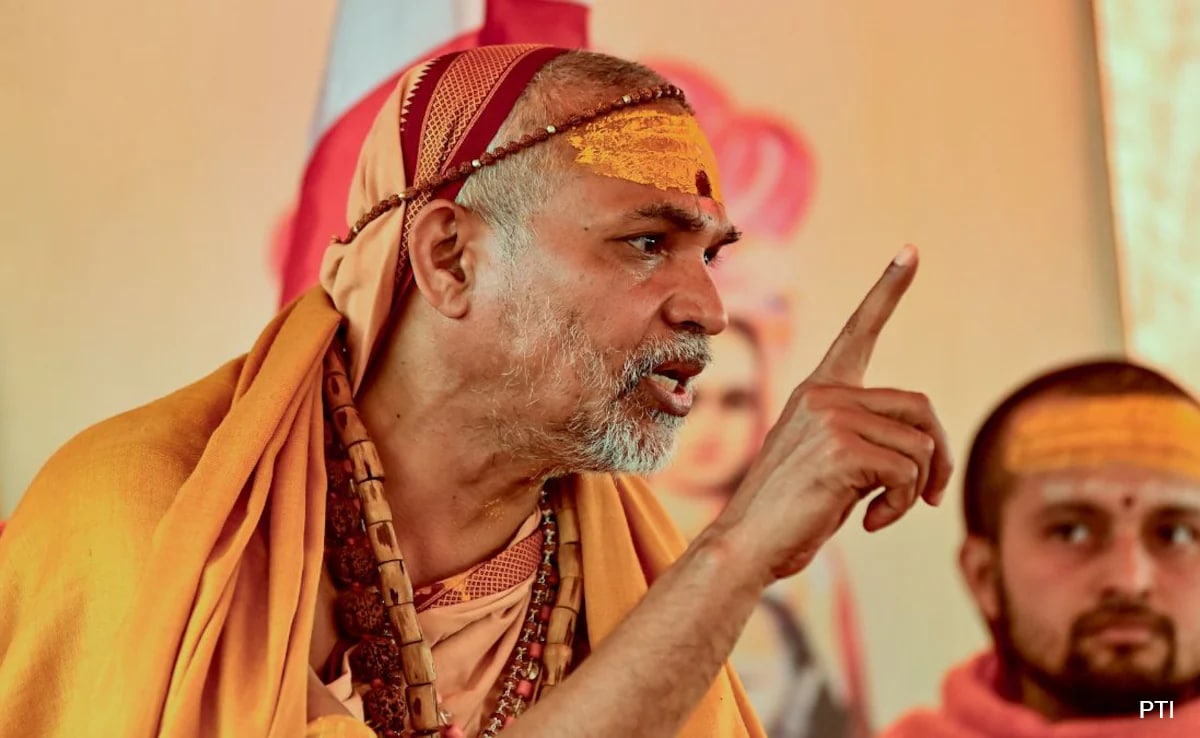
Uttar Pradesh's Prayagraj administration is ready to apologise to Shankaracharya Avimukteshwaranand Saraswati, the seer's aide has claimed after a massive controversy during the Magh Mela.
The spiritual heartland of Prayagraj has been gripped by a significant controversy, prompting local authorities to prepare an official apology to Shankaracharya Avimukteshwaranand Saraswati. This development follows a widely publicized incident during the sacred Magh Mela, where the revered seer and his followers were prevented from performing a holy dip at the confluence of the Ganga, Yamuna, and mythical Saraswati rivers, known as Sangam, on the auspicious occasion of Mauni Amavasya.
The events unfolded on January 18, a day of immense spiritual significance during the month-long Magh Mela, when millions of devotees gather to observe silence and take purifying dips. Shankaracharya Avimukteshwaranand Saraswati, a prominent spiritual leader, was leading a traditional chariot procession towards the Sangam. However, officials on site intervened, halting the procession. Their stated rationale was to avert a potential stampede amidst the dense crowds, advising the Shankaracharya to proceed on foot like other devotees, a directive that was met with considerable dismay by the spiritual entourage.
This interruption deeply offended the Shankaracharya. In a strong display of protest, he ultimately chose to depart from the sacred gathering without completing his ritual bath, expressing profound disappointment and emotional distress over the incident. His abrupt departure for Varanasi, significantly earlier than the expected culmination of the Magh Mela on Magh Purnima (February 1), caught district officials by surprise. Insiders revealed that the administration had anticipated a longer stay, allowing more time for potential reconciliation efforts.
Following his arrival in Varanasi, the situation escalated, leading to interventions from higher echelons of state administration. Two senior officials from the state capital, Lucknow, promptly contacted the Shankaracharya. They extended an earnest invitation for his return to the Magh Mela, specifically urging him to participate in the upcoming Magh Purnima bathing rituals and promising full cooperation.
In response to the overtures, Shankaracharya Avimukteshwaranand Saraswati laid down two pivotal conditions for his return. The foremost demand was a formal, written apology from the officials directly responsible for the incident at Sangam. Secondly, he insisted on the strict adherence to established protocols for all four Shankaracharyas, emphasizing the respect and dignity due to their spiritual stature. It was also revealed that the administration had even offered to transport him to the Sangam in a palanquin, accompanied by senior officials, an offer he respectfully declined, citing that his heart was too burdened with grief and anger to accept.
The controversy transcended the local administrative sphere, evolving into a public exchange between spiritual and political figures. Tensions reached a peak when the state's Chief Minister, without explicitly naming the Shankaracharya, issued a veiled warning against 'Kalanemi' – a figure from the epic Ramayana known for impersonating a sage to deceive Lord Hanuman. This thinly disguised critique was interpreted by many as a direct reference to the ongoing dispute. The Shankaracharya swiftly retorted, advising the Chief Minister, now a politician, to cede matters of faith and spiritual guidance to religious leaders like himself, highlighting a clear demarcation of authority.
The reverberations of this high-profile disagreement were not confined to verbal sparring alone. The incident had a tangible impact within the state's administrative apparatus. A senior officer serving as a Deputy GST Commissioner in Ayodhya tendered his resignation from his post. In his resignation letter, the officer reportedly expressed his inability to countenance what he perceived as an "insult" directed towards the Chief Minister and the Prime Minister, underscoring the deep polarization and emotional investment surrounding the issue. This resignation added another layer of complexity and seriousness to an already sensitive matter.
As the administration prepares its apology, the focus remains on quelling the significant tensions that have emerged from this Magh Mela controversy. The incident has not only highlighted the delicate balance between crowd management and spiritual traditions but also brought to the forefront the evolving relationship between state authority and religious leadership in India. The resolution of this dispute is being closely watched, as it could set precedents for how similar situations are handled in future large-scale religious congregations across the nation.