Rivals In Polls, Supriya Sule Stands As 'Pillar' For Sunetra Pawar At Funeral
By NewsDose Team
Updated on January 30, 2026
5 min read
Key takeaways
In the wake of Maharashtra Deputy Chief Minister Ajit Pawar's death, the political walls of Baramati have crumbled to reveal a moving story of family solidarity.
In a profound display of familial solidarity that transcended years of political rivalry, Baramati witnessed a poignant narrative unfold following the untimely demise of Maharashtra's Deputy Chief Minister, Ajit Pawar. The passing of the influential leader, a figure synonymous with the region's political landscape, brought into sharp focus not the 'Pawar vs Pawar' electoral battles that once dominated headlines, but a compelling story of unwavering personal support.
From the harrowing moment the news of Ajit Pawar's death reached the public, a striking image emerged: Supriya Sule, a prominent political figure herself and Ajit Pawar's cousin, became an unyielding pillar of strength for Sunetra Pawar, Ajit's widow. This bond, often strained by the demanding arena of electoral politics, proved resilient in the face of profound personal loss, demonstrating a deep-rooted connection that ran far deeper than any political divide.
As Sunetra Pawar arrived in Baramati to receive her husband's body, she did not walk alone. Supriya Sule was by her side, a steady hand grasping hers, navigating through the dense crowds and the unblinking gaze of countless cameras. This quiet gesture, laden with unspoken understanding and shared grief, set the tone for the challenging days ahead, ensuring Sunetra felt supported amidst the overwhelming public attention.
During the period of condolences, when a stream of Maharashtra's most influential leaders and dignitaries arrived to pay their respects, Supriya Sule remained a constant presence. Whether it was facilitating meetings with Chief Minister Devendra Fadnavis, engaging with the Governor of Maharashtra, or greeting Deputy Chief Minister Eknath Shinde, Supriya acted as a vital bridge. She meticulously ensured that her sister-in-law was not only comforted but also gracefully supported through every high-profile encounter, managing the logistics and emotional demands with remarkable poise and professionalism.
The scene on the day Ajit Pawar’s body was kept for 'darshan' was particularly overwhelming. Thousands thronged to pay their last respects, creating a challenging environment for the grieving family. It was Supriya Sule who, with a commanding yet compassionate presence, took charge. She managed the vast gathering, coordinated the family’s interactions, and even addressed the public from the stage, appealing for the same discipline that 'dada' – as Ajit Pawar was affectionately known – had championed throughout his distinguished career. Her leadership in this moment of crisis was widely noted and appreciated.
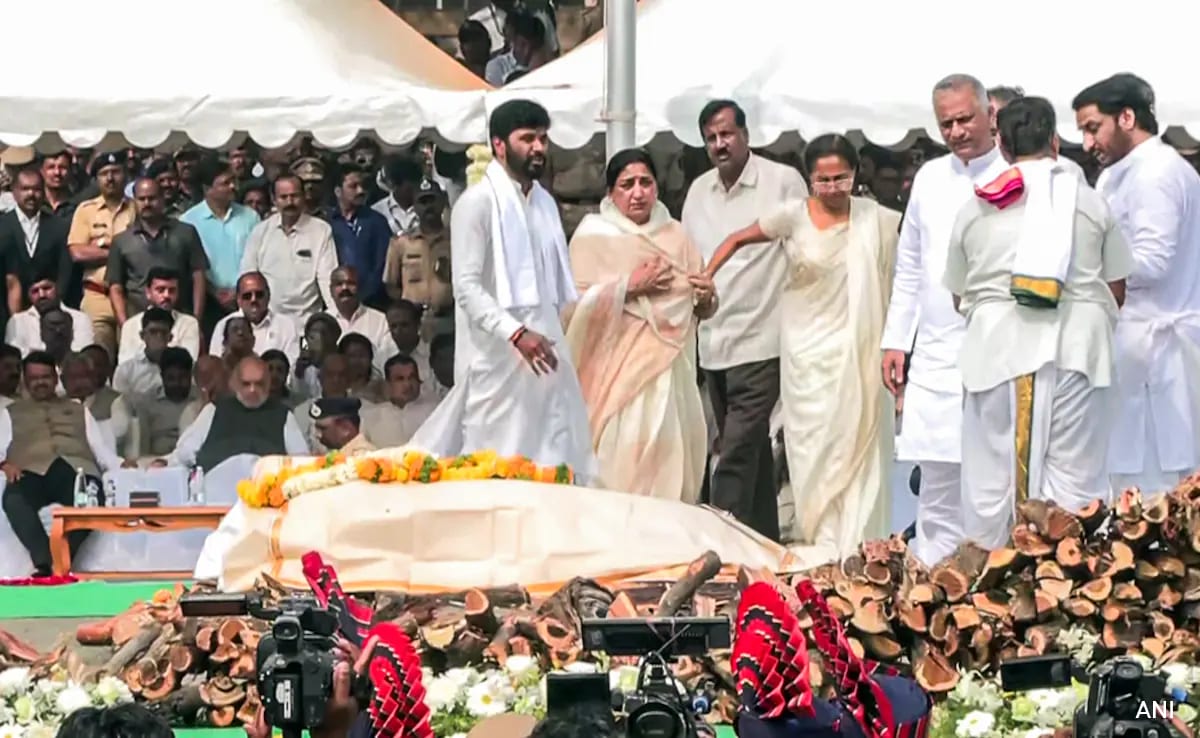
The final rites, performed the following day, further cemented this narrative of unity. The fierce political rivalry that had seen Supriya and Sunetra contest against each other in recent Lok Sabha elections seemed to vanish entirely. As priests called upon Sunetra for the solemn religious 'vidhi' or rituals, Supriya held her closely, literally guiding her through each step of the sacred process. In a moment that resonated deeply with observers, when Sunetra's hands trembled with grief, struggling to hold the heavy 'pooja thali', Supriya stepped in without hesitation, offering steady support, allowing Sunetra to complete the rites with dignity.
Throughout the circumambulations around the pyre, a crucial part of the final rituals, Supriya walked in lockstep with Sunetra. She offered a comforting arm as Sunetra ascended the steps and gently guided her down, never once releasing her hand. This unbroken chain of support highlighted a bond forged beyond politics, rooted in shared family history and profound empathy.
It is difficult to reconcile these scenes with the headlines of just a year prior, when the political landscape was dominated by the Lok Sabha battle where Supriya Sule decisively defeated Sunetra Pawar. That high-stakes electoral contest was followed by Assembly elections where Ajit Pawar himself faced off against his nephew Yugendra. Yet, in the shadow of this immense personal loss, those rivalries were eclipsed by a powerful demonstration of human connection, reminding all that in moments of true grief, the ties of family can indeed transcend even the most entrenched political divides.