Trump Talk To G RAM G Act, Opposition Preps Attack As Budget Session Starts
By NewsDose Team
Updated on January 28, 2026
5 min read
Key takeaways
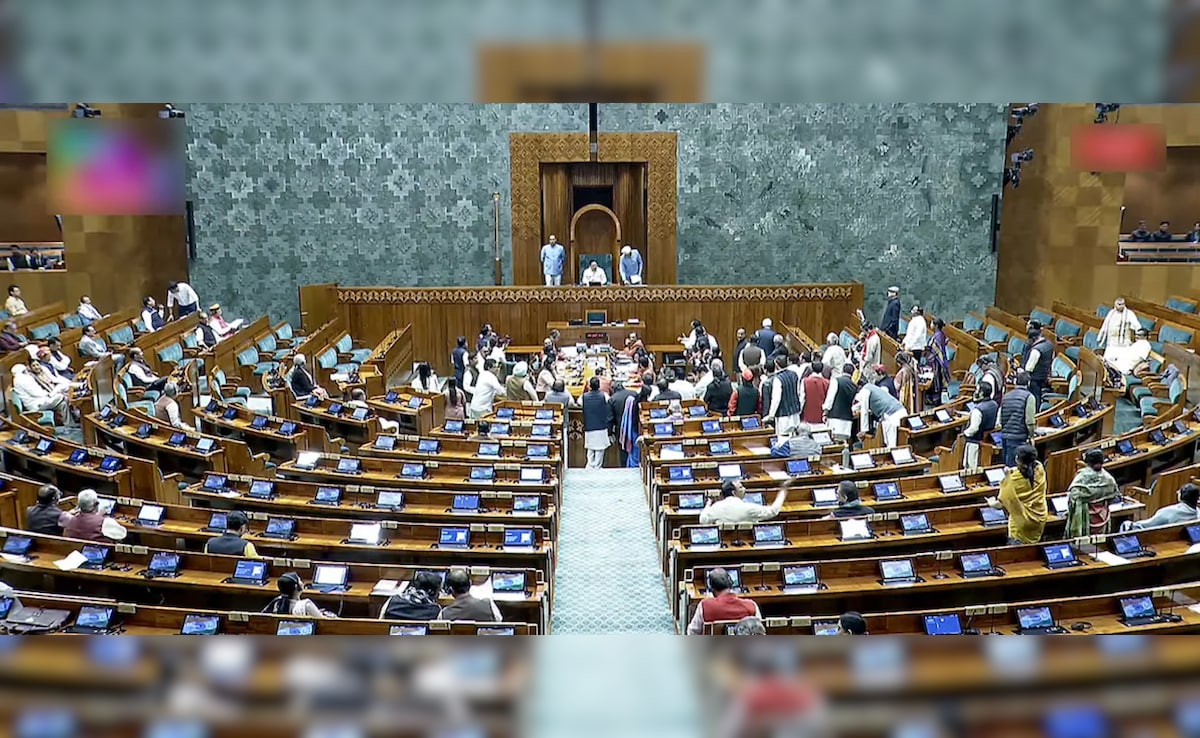
The first phase of the Parliament's Budget Session begins today with President Droupadi Murmu's address to the nation, days before the Narendra Modi government presents the Union Budget.
The Indian Parliament’s much-anticipated Budget Session has officially commenced, marking a critical period for national policy and political discourse. The initial phase began with the customary address by President Droupadi Murmu, setting the stage for what promises to be a highly charged legislative calendar. This pivotal session leads directly into the Narendra Modi government’s presentation of the Union Budget, an event keenly watched by citizens and financial markets alike.
Scheduled to conclude its first leg on February 13, this segment of the Budget Session is dense with legislative obligations. However, beyond the formal agenda, the opposition is gearing up to aggressively challenge the Centre on a multitude of significant domestic and international issues. These include concerns over remarks made by a prominent global leader, controversies surrounding the Special Intensive Revision (SIR) of voter lists, and the implementation of the new G RAM G Act, which has superseded the earlier MGNREGA Act.
Opposition Prepares for a Showdown
During an all-party meeting convened by Defence Minister Rajnath Singh yesterday, opposition factions meticulously outlined a comprehensive list of grievances and policy areas they intend to bring to the forefront during the Budget Session. This demonstrates a concerted effort to corner the government on various fronts, utilizing the parliamentary platform for intense scrutiny.
Despite the opposition's readiness for debate, the initial phase of the Budget Session offers limited scope for extensive discussion on matters beyond financial legislation. Following the President's address today, the Economic Survey, providing an in-depth analysis of the nation's economic health, is slated for release tomorrow. Subsequently, this Sunday will witness Finance Minister Nirmala Sitharaman presenting the Union Budget for what will be a record ninth time, underscoring her tenure in this crucial role.
Post-Budget presentation, both Houses of Parliament will engage in a discussion on the Motion of Thanks to the President's Address, culminating in a response from Prime Minister Modi. The first leg of the session is scheduled to conclude on February 13, with a brief recess before the second leg commences on March 9, promising further legislative action and political debates.
Key Issues on the Opposition's Agenda
Among the pressing issues the opposition intends to highlight are the fluctuating statements from US President Donald Trump concerning a potential trade deal with India, raising questions about diplomatic stability and economic implications. Domestically, the replacement of the long-standing MGNREGA with the new G RAM G Act is a major point of contention, with opposition parties scrutinizing its potential impact on rural employment and development.
Furthermore, the complications and alleged irregularities arising from the Special Intensive Revision (SIR) of voter lists in several states are expected to spark heated discussions, with concerns raised about the integrity and fairness of the electoral process. The alleged misuse of central agencies against opposition leaders also remains a persistent complaint, fueling accusations of political vendetta and undermining democratic institutions.
Interestingly, an ally of the ruling NDA, the Telugu Desam Party (TDP), is reportedly preparing to advocate for a social media ban for individuals aged 0-16, a proposal that could ignite significant debate on digital rights and child protection. On the international front, the opposition may also question the government's apparent silence on critical geopolitical developments, specifically referencing situations in Venezuela and Greenland, seeking clarity on India's foreign policy stance.
Government Maintains Firm Stance
In response to these potential challenges, the government has signaled a firm stance, notably refusing to entertain fresh discussions on the SIR and G RAM G Act. Parliamentary Affairs Minister Kiren Rijiju has clarified that the SIR was extensively debated during the electoral reforms discussion in the preceding Monsoon Session, suggesting further debate is redundant. However, the opposition Trinamool Congress, currently preparing for Assembly polls in West Bengal, is expected to press hard for a discussion on SIR, with party chief and Chief Minister Mamata Banerjee reportedly planning to lead a protest in Delhi over the issue. Regarding the G RAM G Act, the government's position is unequivocal: it has been legally enacted, rendering further debate on its fundamental principles unnecessary.
UGC Row Unlikely to Dominate
While new regulations introduced by the University Grants Commission (UGC) have ignited considerable public controversy, they are not anticipated to create a major storm within Parliament. Most prominent political parties have largely remained silent on these new guidelines, primarily due to concerns about potentially alienating their caste-based vote banks. While a few individual leaders, such as Priyanka Chaturvedi of the Shiv Sena (UBT), have voiced their concerns, and some Members of Parliament may attempt to question the government on this matter, the UGC row is widely considered unlikely to become a central or defining talking point of this parliamentary session, overshadowed by the more pressing economic and political issues at hand.