Opinion: Opinion
By NewsDose Team
Updated on February 15, 2026
5 min read
Key takeaways
Yunus's motivations across the board indicate that he's not likely to be 'retiring' soon. This election is a quiet - and overlooked - win for the Jamaat, too.
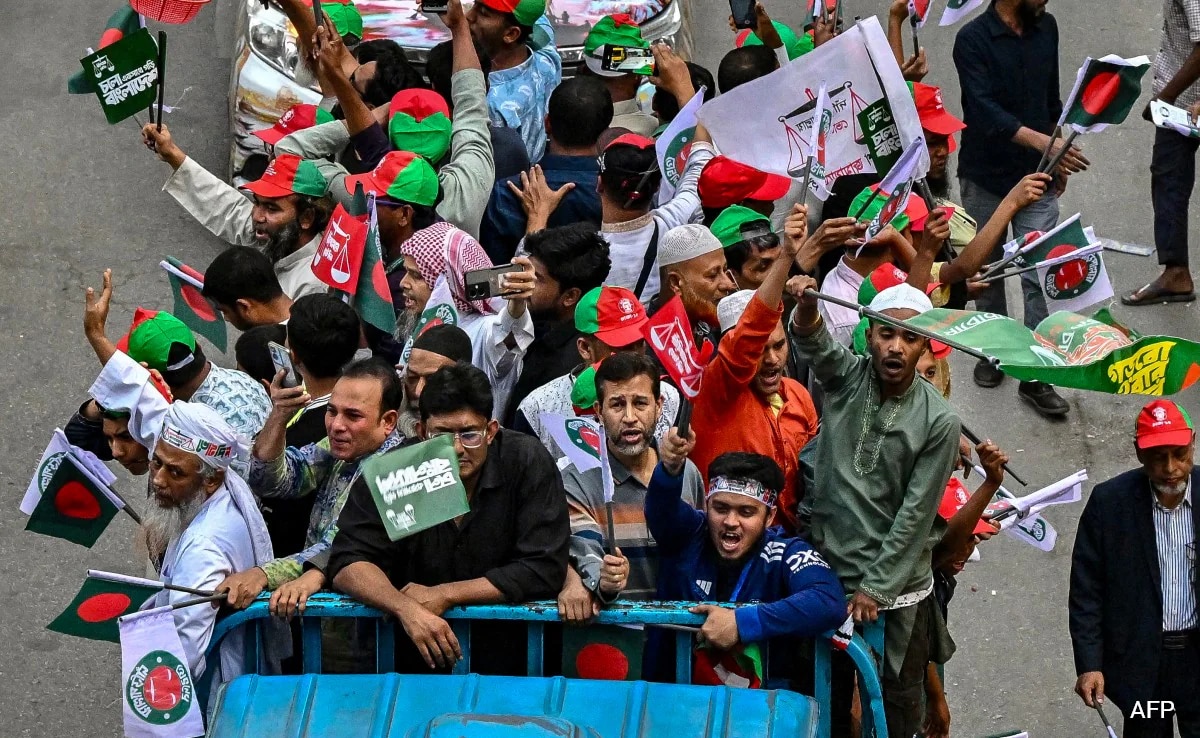
Bangladesh finds itself at the precipice of a significant political transformation following its recent general elections. While the Bangladesh Nationalist Party (BNP) has secured a commanding two-thirds majority, claiming 212 out of 299 seats, this seemingly decisive victory is overshadowed by a far more intricate and potentially destabilizing development: the unprecedented surge of the Jamaat-e-Islami. This election, rather than simply paving the way for a period of calm and recovery for the nation, signals a complex recalibration of power that demands careful consideration from both national and international stakeholders.
The BNP's emphatic win, though impressive, was largely anticipated given the complete absence of the Awami League from the electoral process. Their boycott created a vacuum that the BNP was well-positioned to fill, leading to their dominant performance. However, the narrative is not solely about the BNP's ascendancy. The concurrent affirmation of a crucial referendum has also set the stage for profound changes to Bangladesh's political architecture, the full implications of which are yet to be understood, even by the new leadership.
Perhaps the most startling outcome of this election is the remarkable performance of the Jamaat-e-Islami. A party historically limited to a maximum of 18 seats, it has now secured an astonishing 68 seats, bringing its total to 71 when combined with its 11-party alliance. This unprecedented leap cannot be solely attributed to the Awami League's absence. Various underlying factors are at play, suggesting a calculated strategy and a shifting public sentiment. Of particular note is the rise of figures like Nahid-ul-Islam, a 27-year-old rumored to be a Prime Ministerial face for the party, who successfully won his Dhaka-11 seat against formidable odds, contributing to a perception of a subtle 'secular' rebranding, however temporary.
In contrast to Jamaat's strategic gains, the much-touted 'Gen Z' revolutionary party leaders experienced a resounding defeat. Contesting only 30 seats and winning a mere five, their performance was a stark disappointment. This significant slide became evident as student wings aligned with Jamaat garnered substantial support across several universities, eclipsing the aspiring 'student' leaders themselves. This outcome casts a shadow on the earlier glowing endorsements by Chief Advisor Mohammed Yunus, who had positioned them as the architects of a new political era. Their strategic missteps and lack of widespread appeal ultimately paved the way for other forces to consolidate influence.
The deliberate absence of the Awami League from the elections also manifested in a noticeably low voter turnout, an expected consequence of their boycott. Furthermore, a telling sign of the shifting political landscape was the BNP's decisive victory in the Gopalganj seat, a traditional Awami League stronghold. This outcome suggests an unspoken understanding among mainstream parties that a victory for a recognized political entity is preferable to a potential takeover by the Jamaat. Concurrently, there have been concerning reports of intimidation targeting Awami League voters. Globally, the complete ban on the Awami League received surprisingly little international attention, with major news organizations, many of which had previously highlighted election irregularities in Bangladesh, largely overlooking this critical development. This situation underscores the urgent need for the Awami League to reinvigorate its grassroots leadership and diligently restore its image on the global stage.
At the heart of these political shifts lies the enigmatic figure of Muhammad Yunus. There is little doubt that Yunus played a pivotal role in drafting the complex referendum, which featured 84 reform proposals, with approximately 70 directly impacting the Constitution. The decision to present such an intricate set of changes to a population with limited understanding of its nuances, and worse, to hold the vote concurrently with the general elections, is unprecedented in democratic practice and raises significant questions about transparency and due process. While major parties did engage in extensive discussions, the timing of the referendum, which aims to curtail the Prime Minister's powers and empower the opposition, alongside changes allowing for increased use of Urdu (a language historically supported by Jamaat), points to strategic political maneuvering. Yunus's actions have also extended beyond domestic policy, as evidenced by his role in negotiating a trade deal with the United States that proposes replacing Indian yarn, Bangladesh's primary source, with American alternatives – a costly and logistically challenging proposition. These actions strongly suggest that Yunus is far from contemplating retirement and intends to continue wielding significant influence, potentially advising entities like the surging Jamaat-e-Islami.
For India, the BNP's victory presents a multifaceted challenge. While the party has a history of problematic associations, the current Indian leadership has extended a warm welcome to Tarique Rahman, acknowledging past adversities. However, the more pressing concern for India is the rapid rise of the Jamaat-e-Islami, now the second-largest party. Given Jamaat's historical hostility towards India and its current presence in vital seats along the Indian border, including Lalmonirhat and Nilphamari, Delhi is closely monitoring the situation. Jamaat has been vociferously anti-India during its election rallies and has reportedly leveraged social media to disseminate disinformation. The intertwining economies, with a bilateral trade turnover exceeding USD 13 billion in 2025, necessitates a deft and 'low-key' diplomatic approach from India. While India's ability to trade in local currencies since 2023 offers a distinct advantage, Dhaka's political leadership, wary of being labeled 'pro-India,' requires sensitive engagement. India must strive to be perceived as a respectful and agile neighbor, offering assistance without overt political pressure, even as it remains vigilant regarding regional geopolitical shifts.
Beyond India, other regional players are poised to engage. Pakistan is expected to intensify its efforts to demonstrate support for Bangladesh, leveraging cultural ties and public displays of affection, particularly in areas like cricket. China, meanwhile, is likely to adopt a more pragmatic stance, offering declarations of assistance primarily through investments rather than direct grants. The intricate dance of regional diplomacy underscores the critical need for Delhi to maintain open communication channels and a keen awareness of the evolving political landscape in its eastern neighbor, prioritizing a moral and respectful approach even in complex geopolitical environments.