BJP's Saurabh Joshi To Be Chandigarh Mayor
By NewsDose Team
Updated on January 30, 2026
5 min read
Key takeaways
Chandigarh Mayor Saurabh Joshi: BJP's Saurabh Joshi To Be Chandigarh Mayor
In a significant political development, the Bharatiya Janata Party (BJP) has emerged victorious in the Chandigarh Mayoral elections, securing not only the coveted Mayor's post but also the two Deputy Mayor positions. This outcome unfolded amidst a backdrop of fractured opposition unity, as the Aam Aadmi Party (AAP) and the Congress, despite their theoretical alignment against the ruling party, failed to forge a joint strategy, paving the way for the BJP's sweep.
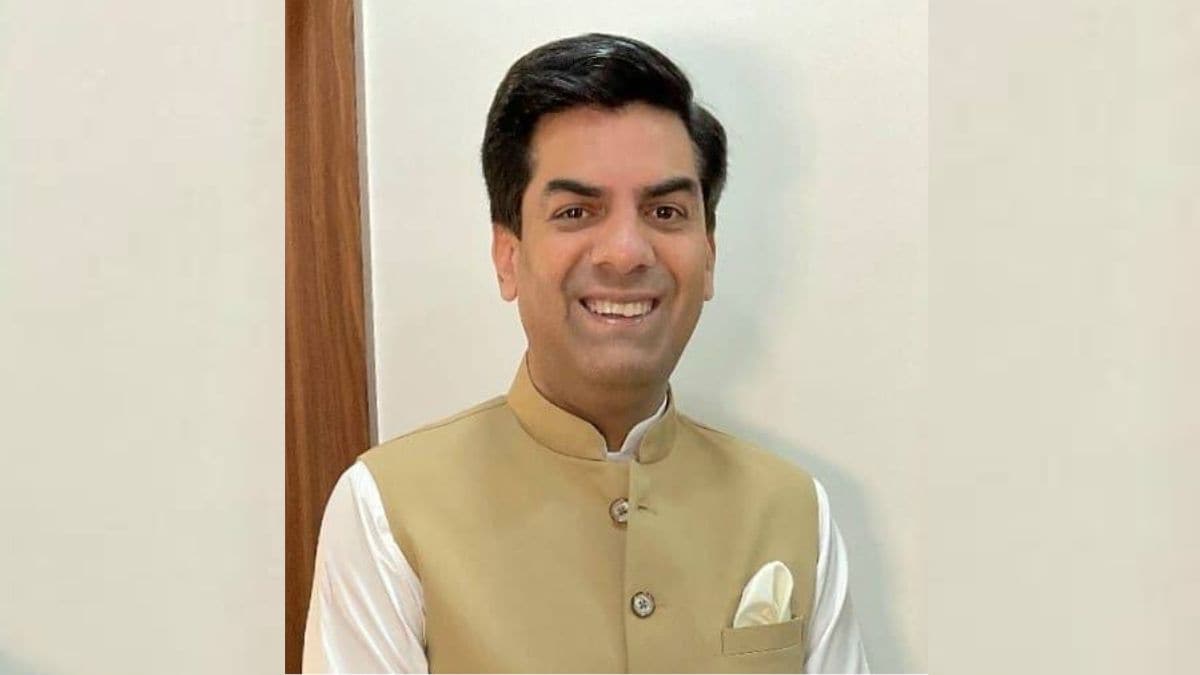
Saurabh Joshi of the BJP was formally elected as the new Mayor of Chandigarh. He garnered a robust 18 votes, decisively outperforming his rivals. The AAP’s candidate, Yogesh Dhingra, secured 11 votes, while Gurpreet Singh Sabi from the Congress managed to secure seven votes. The results underscore a critical lack of cohesion within the opposition ranks, which ultimately played into the BJP's hands.
Beyond the top post, the BJP solidified its control over the municipal corporation by also clinching both Deputy Mayor positions. Jasmanpreet Singh was elected as the Senior Deputy Mayor, and Suman Sharma secured the title of Deputy Mayor. Both Singh and Sharma received 18 votes each, mirroring the Mayor’s tally and further emphasizing the BJP’s commanding presence in the 35-councillor house. Notably, the Congress party opted not to field candidates for the Deputy Mayor posts, a move that left the field open for the BJP without direct challenge from one of the major opposition parties.
The path to victory in the mayoral election required a candidate to secure 19 votes. The BJP, with its 18 councillors, successfully rallied all its members behind its candidate. The combined strength of the AAP, with 11 councillors, and the Congress, with seven (including a crucial vote from its Chandigarh Member of Parliament, Manish Tewari), totaled 18 votes. This presented a clear scenario: a united front between the AAP and Congress could have resulted in a tie, forcing a coin toss to determine the victor, as per the established rules. Such an alliance was considered the only viable strategy to prevent the BJP from claiming an outright victory.
However, the prospect of such a grand alliance was dashed in the weeks leading up to the election. Public statements from AAP leaders categorically ruled out any possibility of a tie-up with the Congress. A prominent AAP leader stated last week that there could "never" be an alliance with the Congress, asserting that the party has "looted the country." This firm rejection came just days after some Congress leaders had publicly indicated ongoing discussions regarding a potential collaboration. In a widely circulated social media post, the AAP leader articulated, "There is no alliance of the Aam Aadmi Party with the Congress anywhere, nor can there ever be any alliance. The Congress has looted this country in collusion with the BJP. The AAP is the real voice of the common man's struggle against these two parties that have looted the country."
This strong reaction from the AAP followed earlier remarks from the Chandigarh Congress President, who had confirmed that "talks were on" with the AAP, explicitly stating the intention to "block the BJP" in the municipal polls. The underlying tensions between the two opposition parties had been simmering for some time, escalating particularly this month. The AAP's Chandigarh in-charge had previously accused the Congress of fostering an understanding with the BJP for power-sharing arrangements, reigniting historical mistrust.
In response, the Congress leadership had countered, questioning the AAP's role in the 2024 municipal setup. They pointed out that while the Mayor's post in the previous term went to the AAP, the positions of Senior Deputy Mayor and Deputy Mayor were ultimately secured by the BJP, suggesting a pattern of fragmented opposition outcomes. This historical context further complicated any immediate attempts at forging a cohesive alliance.
This mayoral term for 2026 marks the fifth and final term of the current five-year municipal corporation, which commenced its operations in 2022. For this particular term, the crucial Mayor's post was designated as reserved for the general category, adding another layer of political maneuvering to the electoral landscape. The BJP's comprehensive win therefore not only signifies a local victory but also casts a shadow over the broader narrative of opposition unity, especially as crucial national elections approach, demonstrating the formidable challenge of consolidating anti-incumbency votes.