'Choose Between Illegal Immigration And Protecting Identity': Himanta Sarma
By NewsDose Team
Updated on January 28, 2026
5 min read
Key takeaways
Assam Chief Minister Himanta Biswa Sarma on Monday said voters must decide in the coming assembly elections whether they want a government that "surrenders" before illegal immigrants or one that protects the state's identity and culture.
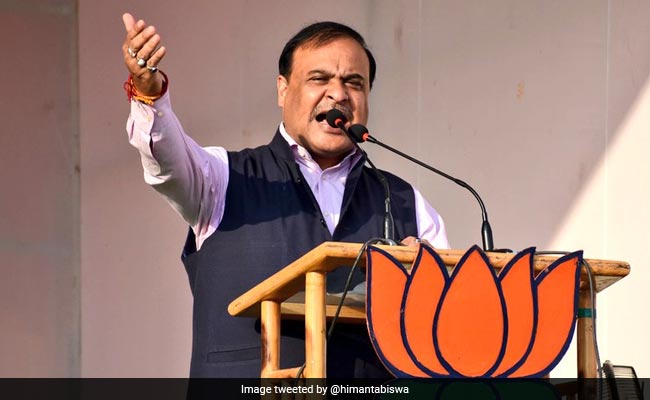
Assam Chief Minister Himanta Biswa Sarma recently issued a potent challenge to the electorate, urging them to make a definitive choice in the upcoming assembly elections. Speaking passionately, Sarma framed the electoral contest as a fundamental decision between a government that might "surrender" to the pressures of illegal immigration and one steadfastly committed to safeguarding the state's unique identity and rich cultural heritage.
Addressing the 77th Republic Day celebrations in Dibrugarh, the Chief Minister drew a stark contrast between Assam's tumultuous past and its aspirations for a peaceful, prosperous future. He painted a vivid picture of bygone eras marred by the spectre of bomb blasts, widespread protests, and an pervasive atmosphere of fear. This, he asserted, was antithetical to the present administration's focus on fostering an environment of tranquility and sustained development across the state.
Sarma underscored that the vision for Assam's progress extended far beyond mere infrastructural upgrades. For him, true development is inextricably linked to the preservation and strengthening of Assam's core identity. This holistic approach recognizes that economic growth must go hand-in-hand with cultural integrity and demographic stability.
A significant portion of his address was dedicated to the pressing issue of demographic changes, which he attributed largely to the historical influx of people from East Bengal. Sarma highlighted the profound impact these demographic shifts have had on the state's socio-political fabric. Drawing comparisons between the 2011 census and projections for the upcoming 2027 census, he cautioned that the proportion of residents with East Bengal origins could potentially escalate to 40 percent. Alarming statistics were presented, indicating that Hindus have already become a minority in a dozen of the state’s districts, raising serious concerns about the long-term demographic balance.
The Chief Minister also shed light on the pervasive problem of land encroachment. He stated that a staggering 63.88 lakh bighas of land across Assam had fallen under illegal occupation by unidentified individuals. Critiquing previous administrations, Sarma asserted that they had demonstrably failed to undertake concrete and decisive measures to reclaim these vast tracts of encroached public and community land, allowing the issue to fester and grow.
Reflecting on the changed landscape of public celebrations, Sarma recalled a time when Republic Day and Independence Day functions in Assam were frequently overshadowed by boycott calls, explicit threats of violence, and the unsettling sounds of conflict. He proudly declared that such fears and anxieties were now a relic of the past. "Now, these celebrations are held under a sky of equality, unity and the victory march of development," he affirmed, indicating a marked shift towards peace and public participation.
In a testament to his government's resolve, Sarma detailed the significant progress made through concerted eviction drives initiated since 2021. These operations have successfully freed over 1.5 lakh bighas—approximately 49,500 acres—of illegally occupied land, demonstrating a firm commitment to restoring public domain and upholding land rights.
Furthermore, Sarma referenced a crucial legal development: the Supreme Court's decision to uphold key provisions of the Immigrants (Expulsion from Assam) Act, 1950. This landmark ruling, he explained, significantly empowers district authorities to swiftly and decisively push back illegal foreign nationals within a mere 24 hours, circumventing the often lengthy and cumbersome processes of foreigners' tribunals. This legal reinforcement, according to the Chief Minister, provides a critical tool in managing and regulating undocumented migration.
Reiterating his earlier point, Sarma emphasized that Assam's development paradigm transcended purely material improvements. "Assam's development isn't just about better roads; it is also about protecting our identity," he passionately articulated. He further elaborated that the presence of certain segments of the Muslim population, particularly those with historical origins in East Pakistan (now Bangladesh), posed "serious questions" regarding the social equilibrium and unique cultural fabric of the state, thereby linking demographic trends directly to societal harmony and identity.
The Chief Minister's address served as a powerful call to action, urging the people of Assam to consider the profound implications of their electoral choices. His message was clear: the upcoming elections would not merely decide an administration, but fundamentally shape the future trajectory of Assam's identity, security, and developmental path, ensuring its heritage is preserved amidst progress.