Ajit Pawar's Plane Was Attempting 2nd Approach To Airport When It Crashed
By NewsDose Team
Updated on January 28, 2026
5 min read
Key takeaways
Ajit Pawar has been killed after an aircraft carrying him crashed in the Pune district this morning. Ajit Pawar and four other persons were killed in the crash.
Maharashtra has been plunged into deep mourning following the tragic death of Deputy Chief Minister Ajit Pawar in a devastating plane crash in the Pune district earlier today. The accident, which occurred near Baramati Airport, also claimed the lives of four other individuals on board, sending shockwaves across the political landscape and the entire state.
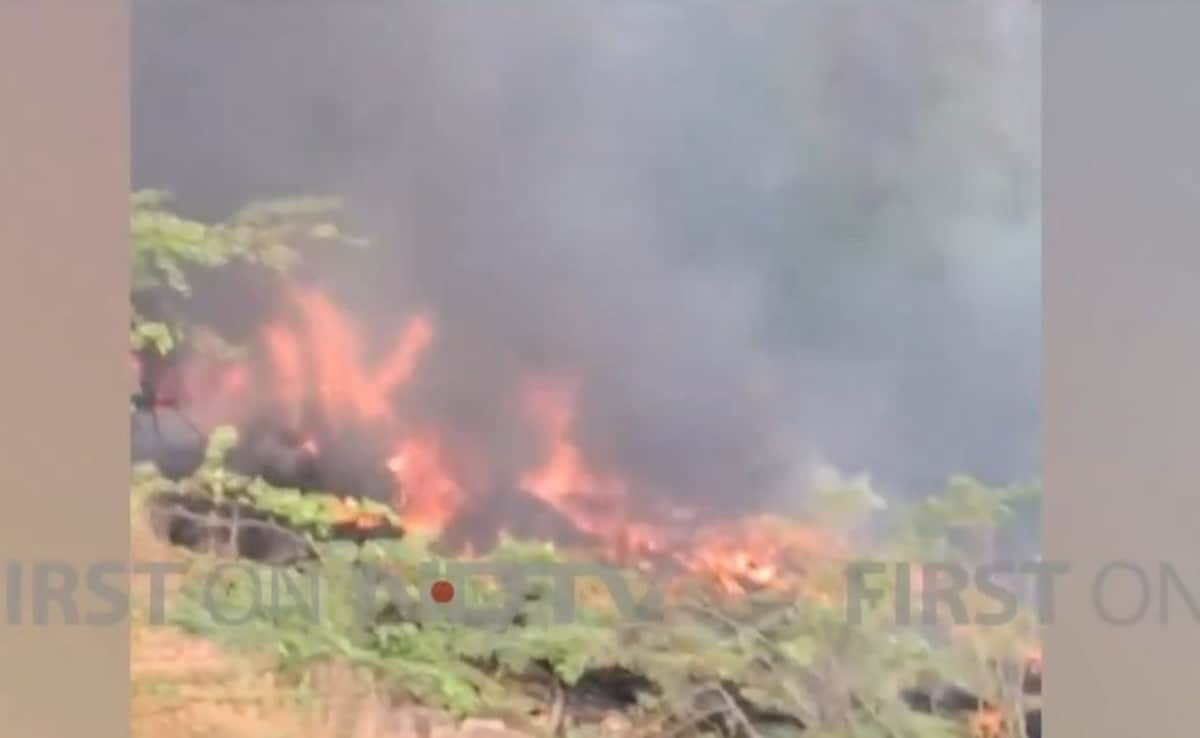
The ill-fated aircraft, a Learjet 45 operated by a private aviation firm, was attempting its second approach to land at Baramati Airport when it reportedly lost control. Witnesses and preliminary reports suggest the plane experienced severe difficulties before impacting the ground, subsequently catching fire. The catastrophic event unfolded rapidly, leaving no survivors from the five individuals on board.
Among the victims were Mr. Pawar's personal security officer (PSO), his attendant, and the two experienced crew members – the pilot in command and the first officer. Their sudden demise alongside a prominent political figure has deepened the sense of loss across the state.
Sources indicate that Mr. Pawar had departed from Mumbai at approximately 8:00 AM, en route to Baramati, his home constituency. He was scheduled to address a series of four crucial election rallies ahead of the upcoming local body polls. His extensive campaigning schedule underscored his commitment and active role in state politics, making his sudden absence even more profound.
A senior official from the aviation regulatory authority has confirmed the identities of all five individuals onboard. The incident has prompted an immediate and thorough investigation into the exact cause of the crash. Aviation experts are expected to meticulously examine flight data recorders, air traffic control communications, and wreckage to determine the sequence of events that led to this tragedy.
A Life Dedicated to Public Service: The Legacy of Ajit Pawar
Born on July 22, 1959, in Deolali Pravara, a village nestled in Maharashtra's Ahmednagar district, Ajit Anantrao Pawar’s journey into public life was deeply rooted in his family's legacy. His father, Anantrao Pawar, was associated with renowned film studios in Mumbai, but it was his uncle, the veteran politician Sharad Pawar, who profoundly influenced his political trajectory.
Mr. Pawar's formal education concluded at the Secondary School Certificate (SSC) level, an outcome influenced by personal circumstances following his father's passing. However, his practical education in governance and public affairs began early. By the tender age of 23, in 1982, he had already been elected to the board of a cooperative sugar factory, marking his initial foray into the cooperative movement, a powerful force in Maharashtra's rural economy.
Over the decades, Ajit Pawar steadily climbed the political ladder, holding various significant portfolios including Deputy Chief Minister multiple times. Known for his administrative acumen and strong grasp of financial matters, he played a crucial role in the state's development, particularly in irrigation and rural development. His pragmatic approach and ability to navigate complex political alliances made him a formidable figure in Maharashtra politics.
His passing leaves a significant void, not only for his family but also for the Nationalist Congress Party (NCP) and the state administration. The timing, just weeks before critical local body elections, adds another layer of complexity to the political landscape.
Ajit Pawar is survived by his beloved wife, Sunetra Pawar, who is the daughter of a former Maharashtra minister. He is also survived by his two sons, Jay Pawar and Parth Pawar, who now carry forward the family legacy. The state awaits further details from the ongoing investigation, grappling with the loss of a pivotal leader whose contributions to Maharashtra will be long remembered.