Ajit Pawar, 'Dada' Of Maharashtra Politics, Who Shook Up Sharad Pawar's Party
By NewsDose Team
Updated on January 28, 2026
5 min read
Key takeaways
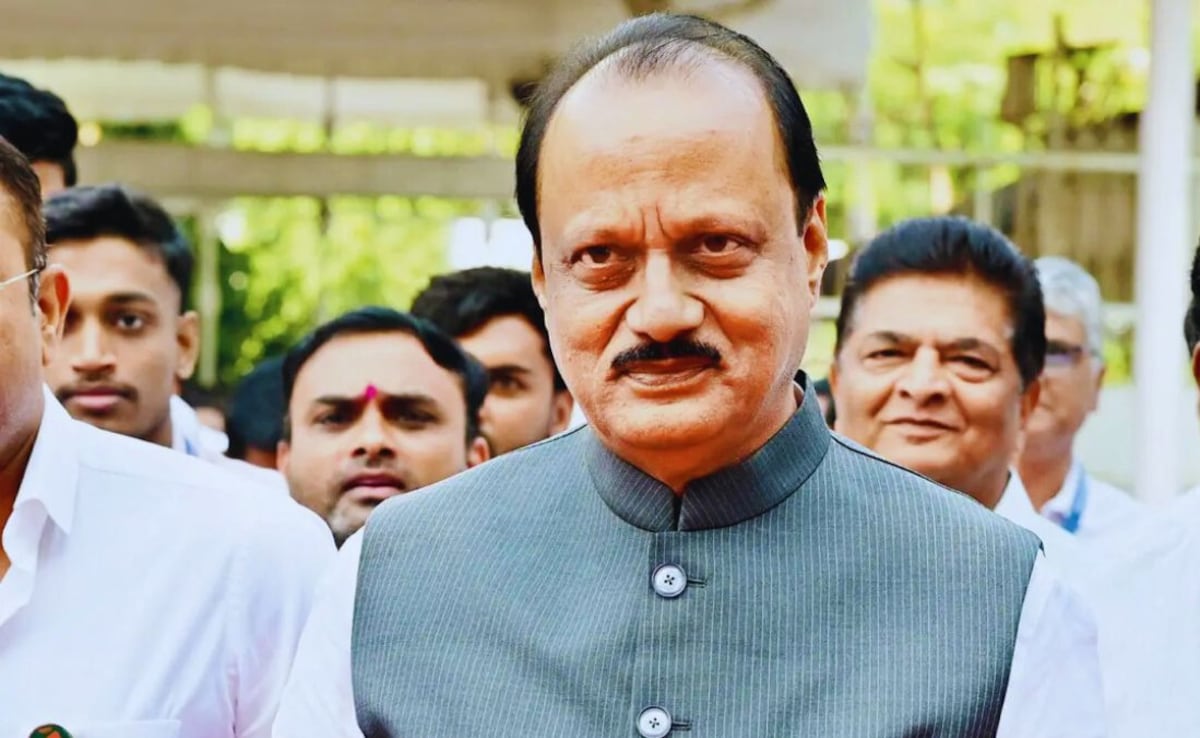
Ajit Pawar - the Deputy Chief Minister of Maharashtra and one of the state's key power brokers, certainly after the June 2023 split from uncle Sharad Pawar's side - died in a plane crash Wednesday morning.
Maharashtra mourns the sudden demise of Ajit Pawar, the state's Deputy Chief Minister and a formidable force in Indian politics, who tragically passed away on Wednesday morning. The veteran leader, aged 66, was involved in a private aircraft crash while traveling from Mumbai to Baramati, his family's revered political heartland, just an hour into the journey as the plane attempted to land.
The news sent shockwaves across the political spectrum, leaving a void in the state's leadership. Ajit Pawar leaves behind his wife, Sunetra Pawar, a respected Rajya Sabha MP, and his two sons, Parth and Jay Pawar, who now navigate a future without their patriarch's guiding presence.
Baramati, a region synonymous with prosperity through sugarcane production, was more than just a destination; it was the crucible where Ajit Pawar's illustrious political career, spanning over three decades, was forged. It was here that a young Ajit, initially operating under the expansive influence of his uncle Sharad Pawar, meticulously honed the intricate strategies of power and governance. This formative period molded him into the astute and resolute politician who would later orchestrate pivotal shifts in Maharashtra's complex political landscape.
Pawar’s journey was characterized by a series of dramatic turns and strategic realignments, reflecting the fluid nature of modern Indian politics. A notable chapter unfolded in November 2019, when he briefly aligned with the Bharatiya Janata Party (BJP) to form an unexpected government, an alliance that dissolved remarkably within just 80 hours. This fleeting partnership marked the first significant public crack within the Nationalist Congress Party (NCP) family, signaling deeper ideological fissures.
The true rupture, however, materialized in July 2023. Ajit Pawar, demonstrating his formidable influence, led a significant faction of MLAs to once again join the BJP-led government, securing his position as Deputy Chief Minister. This decisive move irrevocably split the NCP, creating a new political dynamic in the state. Following months of contention, the Election Commission of India officially recognized Ajit Pawar's faction, granting it the original party name and symbol, compelling Sharad Pawar's loyalists to rebuild their political identity under a new banner.
Beyond the headlines of power struggles and alliances, Ajit Pawar's political narrative was a compelling testament to the evolving dynamics of Indian democracy. His career mirrored a political era defined by shifting allegiances, the fracturing of traditional family-led parties, and an unyielding demand for reinvention and resilience to stay relevant. In both his life and his enduring legacy, Ajit Pawar consistently remained a central and undeniable player in the high-stakes game of politics, profoundly shaping the trajectory of Maharashtra's governance and leaving an indelible mark on its history.