"Your Trusted Government": Ajit Pawar's Last X Post, Hours Before Crash
By NewsDose Team
Updated on January 28, 2026
5 min read
Key takeaways
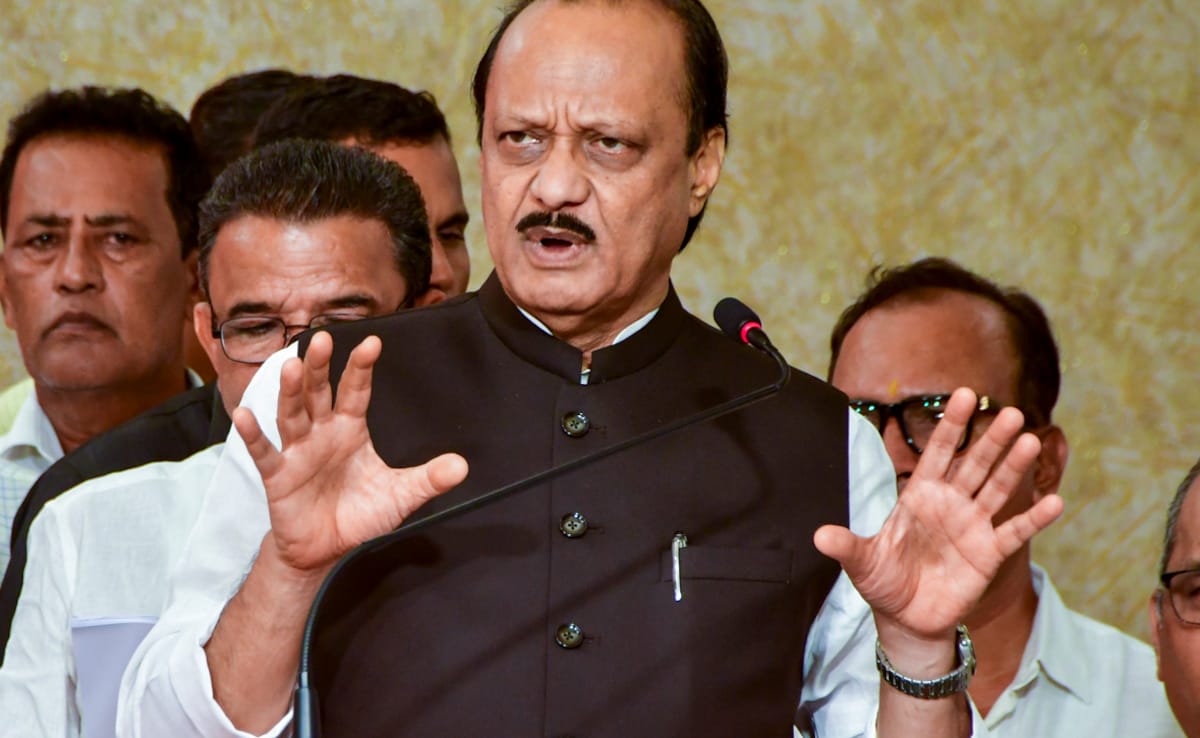
Hours before Ajit Pawar died in a plane crash near Baramati the Maharashtra Deputy Chief Minister reached out to Maharashtra residents in what seemed to be a routine message on X - a post outlining decisions taken by "your trusted" state government.
Hours before the tragic plane crash near Baramati claimed the life of Maharashtra Deputy Chief Minister Ajit Pawar, he engaged with the state's residents through a seemingly routine post on a prominent social media platform. The message, meticulously outlining decisions made by what he termed "your trusted" state government, now carries an unforeseen weight, serving as a poignant final public address from the seasoned politician.
The detailed update covered a spectrum of governance initiatives, including plans for establishing vocational training institutes, crucial adjustments to payment systems for contractors working with the Public Works Department, and the extension of lease periods for government land allocated to various departments and even private sector initiatives. On the surface, it appeared to be a standard communication, a senior member of the state administration simply apprising citizens of the work undertaken by his government.
However, a deeper look beneath the veneer of official announcements reveals a more complex political narrative unfolding. The post emerged amidst a backdrop of considerable internal strife within the ruling Mahayuti alliance, a coalition spearheaded by Chief Minister Devendra Fadnavis. This period of apparent normalcy was a stark contrast to the sharp differences that had plagued the alliance in the lead-up to the month's critical municipal elections, spanning Mumbai and 28 other cities, including key urban centers like Pune and Pimpri-Chinchwad.
Reports indicate that Ajit Pawar had been notably sidelined by the Bharatiya Janata Party (BJP) for this round of elections. The saffron party, known for its strategic vigilance over its allies and the potential impact on its electoral fortunes, had reportedly marginalized Pawar's Nationalist Congress Party (NCP) faction during seat-sharing discussions. A central point of contention was the NCP's insistence on fronting Nawab Malik, who faces serious corruption allegations, as its key figure for the Mumbai polls.
Facing isolation from his primary ally, Pawar made a significant overture to his uncle, offering to mend a long-standing family feud. The proposal was a strategic move aimed at forging a united front to contest the crucial Pune and Pimpri elections together. The underlying logic, according to political observers, was elegantly simple and designed to be a 'win-win' scenario for Ajit Pawar. A victory would unequivocally reaffirm his indispensable value to the Mahayuti, particularly within the traditional strongholds of his political family. Conversely, a defeat, while unwelcome, would provide invaluable lessons and strategic clarity as he contemplated a future independent political path.
In a surprising turn, Pawar launched an intense campaign against the BJP, accusing it of corruption and arrogance. He even controversially referenced the lingering allegations against himself – the infamous Rs 70,000 crore irrigation scam, which many noted seemed to fade from public discourse after his faction aligned with the larger party in July 2023. This calculated move underscored the deep-seated tensions and power plays at the heart of the state's political landscape.
As fate would have it, the election results yielded a stark outcome that defied Pawar's strategic calculations. The 'reunited' Pawar family faced a decisive defeat at the hands of the BJP in both crucial elections. This meant that Ajit Pawar was neither perceived as essential nor, it seemed, truly desired by the electorate or his coalition partners, leaving him with considerably diminished political leverage. Following the elections, Pawar returned to his duties as Deputy Chief Minister in Mumbai and resumed his position within the BJP-led Mahayuti alliance, albeit with a noticeably altered power dynamic. His final public message, delivered just hours before his untimely death, now resonates as a profound epilogue to a turbulent political chapter, marking the unexpected end of a prominent career.