Opinion: Opinion
By NewsDose Team
Updated on January 30, 2026
5 min read
Key takeaways
Ajit Pawar bent over backwards to be in power; when there, he commandeered it to work for the public while helping his party, of course.
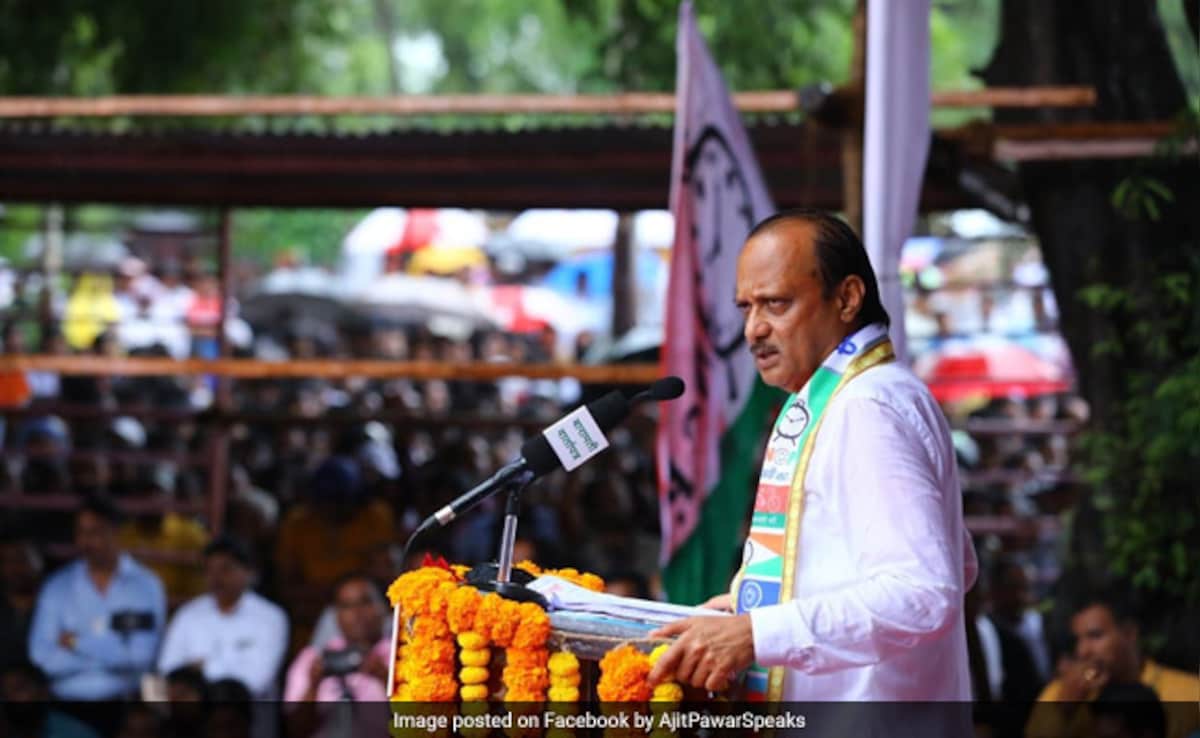
The political landscape of Maharashtra was irrevocably altered on January 28, 2026, with the tragic passing of Ajit Pawar. The news, delivered with a profound sense of shock, resonated deeply across the state, none more so than in Baramati, the ancestral stronghold of the Pawar family. As darkness descended upon the Vidya Pratishthan grounds, tens of thousands gathered, their grief palpable, for a leader many knew not just as a politician, but as 'Ajitdada' – one of their own.
Ajit Pawar, a towering figure in Indian politics, was not merely the nephew of an influential mentor; he had meticulously carved out his own formidable identity. At 66, he stood as a singular force, a politician whose unwavering drive and pragmatic approach often defied conventional wisdom and earned him both ardent followers and formidable critics. His journey was one marked by relentless ambition, administrative acumen, and a profound understanding of the grassroots pulse of Maharashtra.
His political odyssey began in the formidable shadow of his uncle, Sharad Pawar, a stalwart whose influence permeated every facet of state politics. The genesis of the Nationalist Congress Party (NCP) in 1999, following Sharad Pawar's departure from the Congress, presented a nascent, challenging environment. Resources were scarce, and the organizational structure was still finding its footing. It was in this crucible that a young Ajit Pawar emerged, entrusted by his uncle to galvanize support, particularly in the critical regions of Western Maharashtra.
Recollections from those early days paint a vivid picture of a leader in the making. Sharad Pawar, a shrewd observer of talent, often spoke of Ajit's potential. "He has everything going for him," he once remarked, noting Ajit’s sharpness, intelligence, tireless work ethic, and innate ability to connect with party workers and ordinary citizens in every village. While acknowledging that others too possessed similar qualities, Sharad Pawar had a quiet confidence that Ajit would ultimately distinguish himself – a prediction that would, over the next two and a half decades, prove remarkably prescient.
Indeed, Ajit Pawar not only rose to become a frontrunner among his contemporaries but eventually charted a course that saw him dramatically split the NCP, claiming both its name and iconic clock symbol – a move made, notably, with the backing of the ruling Bharatiya Janata Party (BJP). His political prowess was undeniable, culminating in an unprecedented six terms as Maharashtra's Deputy Chief Minister. He masterfully handled significant portfolios, including finance and irrigation, consistently demonstrating a firm and steady grasp over the state’s vast administrative machinery.
What distinguished Ajit Pawar was his uniquely grounded and often rustic style. Unlike his uncle's measured pronouncements, Ajit was a straight talker, known for his directness and candid, sometimes even blunt, remarks. He possessed a brand of humor that contrasted sharply with Sharad Pawar's more reserved demeanor. Crucially, his pursuit of power was relentless, leading him to forge alliances, such as the overt partnership with the BJP, which even his astute mentor might have hesitated to consider.
Yet, the lessons from his uncle were profoundly evident in his operational style. His stern, no-nonsense approach to work, coupled with remarkable clarity and focus, defined his interactions with bureaucrats and staff. He was known for his sensitivity and personal touch when dealing with constituents, often drawing spontaneous applause for his public pronouncements. Furthermore, his ability to cultivate friendships and working relationships across political divides underscored a pragmatism that prioritized governance and public welfare.
The outpouring of grief following his death was a testament to a political career built on a complex tapestry of command, compromise, and care. In the wake of the tragedy, past controversies, notably the significant allegations of a ₹70,000 crore irrigation scam, seemed to recede from public discourse. The 'clean chit' from investigating agencies, while previously debated, was now scarcely mentioned, highlighting the profound personal loss felt by many.
Ajit Pawar's political philosophy, while evolving with changing alliances, maintained a core framework. Despite his alliance with the BJP, he consistently demonstrated an adherence to non-communal, people-centered politics. He never made symbolic gestures like visiting the headquarters of the Rashtriya Swayamsevak Sangh (RSS) to "pay his respects," and he openly questioned the campaign rhetoric of leaders like Uttar Pradesh Chief Minister Yogi Adityanath during the 2024 elections. This delicate balance allowed him to pursue his ambition for power, which he recognized was best achieved in alignment with the BJP, without entirely abandoning his fundamental political principles.
His significance to Maharashtra, and arguably to the wider nation, is substantial. While few would argue he was among the most honest or least corrupt leaders, given the serious allegations he faced concerning the irrigation scam, misappropriation of funds in the Maharashtra State Central Cooperative Bank, and issues related to sugar factories under his control, his impact was undeniable. Similarly, he was not lauded for the sophistication of his language or thought – a point exemplified by his infamous, crude remark about filling dams. Nor was he at ease in the elite, 'wine-and-cheese' social circles, preferring instead the direct engagement with people on the ground.
Ajit Pawar’s world was defined by early morning starts, long hours spent meticulously reviewing files, and holding meetings geared towards tangible outcomes rather than mere bureaucratic formality. He was not one to indulge in the superficial trappings of power, instead choosing to forge deep connections with his workers and the communities he served. His acute awareness of global developments, combined with his razor-sharp judgment of situations and people, further cemented his reputation as a formidable 'doer'. He bent over backward to secure power, and once attained, he leveraged it assiduously for the public good, all while strategically advancing his party's interests.
He was, in essence, a politician shaped by his early years among farmers and teachers, drawing profound lessons from his uncle’s political gurus, including the late Y.B. Chavan. Ajit Pawar never pretended to be a saint in politics; he was a politician with a clear purpose, unashamed of his aspirations. His ultimate ambition – to become the Chief Minister of Maharashtra – tantalizingly eluded him on multiple occasions, yet his hope persisted.
His sudden absence leaves a profound void and many unanswered questions. Will the fragmented NCP now seek reunification with the Sharad Pawar faction? Will its alliance with the BJP endure without his guiding hand? The ramifications of his passing will unfold over time, shaping the political contours of Maharashtra for years to come.
As contemporary historians and political scientists assess his impact over four decades of public life, including twenty-five years in office, Ajit Pawar will be remembered as one of the very few who genuinely understood the state’s multifaceted pulse, spanning both its rural heartland and urban centers. He possessed an unparalleled ability to navigate the complex levers of power. Crucially, he combined these qualities with a steadfast commitment to non-communal politics, a conviction that often prevented him from making purely expedient political compromises. In this unique convergence of pragmatism, grassroots connection, and principled stance, the void left by Ajit Pawar will indeed be extraordinarily challenging to fill.