Corruption, disloyalty or treason: Why is Xi Jinping's top general facing a probe?
By NewsDose Team
Updated on January 30, 2026
5 min read
Key takeaways
International News: In October, China expelled nine senior generals for alleged involvement in major financial crimes — one of Beijing’s most sweeping public crackdowns o.
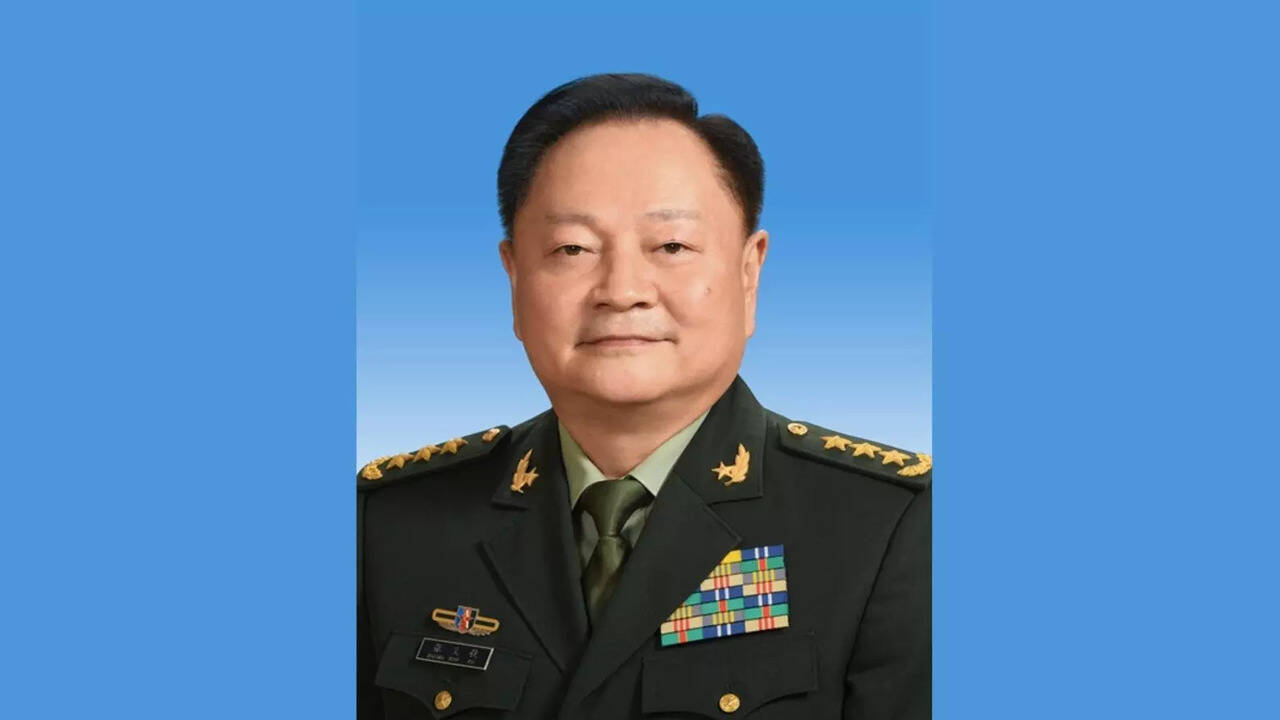
Beijing is currently grappling with a scandal of unprecedented proportions as its most senior military figure, General Zhang Youxia, faces an intensive probe into allegations that could reshape the landscape of Chinese politics and military integrity. The 75-year-old vice chairman of the Central Military Commission, a key ally of President Xi Jinping, stands accused of leaking highly classified information concerning China's sensitive nuclear weapons programme to the United States. Adding to the gravity of the situation, General Zhang is also under scrutiny for allegedly accepting substantial bribes in exchange for official promotions, including the elevation of a former defence minister.
This dramatic development follows a sweeping purge within the People's Liberation Army (PLA) just months prior, in October, which saw nine senior generals summarily expelled. Those dismissals were attributed to significant financial crimes, marking one of the most extensive public crackdowns on the military leadership in decades. However, the allegations against General Zhang Youxia elevate the current crisis to an entirely new level, touching upon national security, loyalty, and potential treason at the very apex of China's defence establishment.
General Zhang Youxia's career has been long and distinguished, intertwined with President Xi Jinping's rise to power. As a close confidant and a key figure in modernising the PLA, his alleged involvement in such a monumental betrayal sends shockwaves through Beijing's political and military circles. The accusation of leaking nuclear secrets, if proven true, would represent a catastrophic breach of national security and could severely damage China's strategic interests and its reputation on the global stage.
The anti-corruption campaign, a hallmark of President Xi's tenure, has consistently targeted high-ranking officials across various sectors. While initially lauded as a necessary clean-up, the latest revelations suggest a deeper, more insidious problem within the PLA, potentially indicating significant internal power struggles or a desperate attempt to consolidate power further. The financial misconduct allegations, involving the selling of military promotions, underscore persistent concerns about graft within the armed forces, despite years of rigorous enforcement.
The ramifications of this probe are profound. Internally, it risks destabilising the PLA, eroding morale, and fostering an environment of suspicion among its leadership. Externally, particularly concerning the alleged leak to the US, it could severely strain diplomatic relations and raise serious questions about the security protocols safeguarding China's most sensitive military assets. The international community, especially strategic rivals, will be keenly observing how Beijing navigates this high-stakes situation, which could have far-reaching geopolitical consequences.
As the investigation unfolds, the world watches for further details on how President Xi Jinping's administration will address this unprecedented challenge to its authority and national security. The outcome will not only determine the fate of one of China's most powerful generals but also cast a long shadow over the future direction and internal stability of the People's Republic.
You Might Also Like

More in World
- "Iran's Pilot Exodus: War Pushes Talent To India"
- ‘Terror plot’: Who is Matthew VanDyke, the US citizen arrested by India’s NIA?
- Is America already trapped in an unwinnable war with Iran?
- "US Missile Stockpile Drained? Trump's Iran War Costs $5Bn in 2 Days"
- Solar Eclipse 2026: Here's what every student should know about the year’s first ‘Surya Grahan’
