Is America already trapped in an unwinnable war with Iran?
By NewsDose Team
Updated on March 20, 2026
5 min read
Key takeaways
International News: The ongoing debate about whether the Iran war will become a quagmire misses the point. President Donald Trump and America are already in one. Yes, Tru.
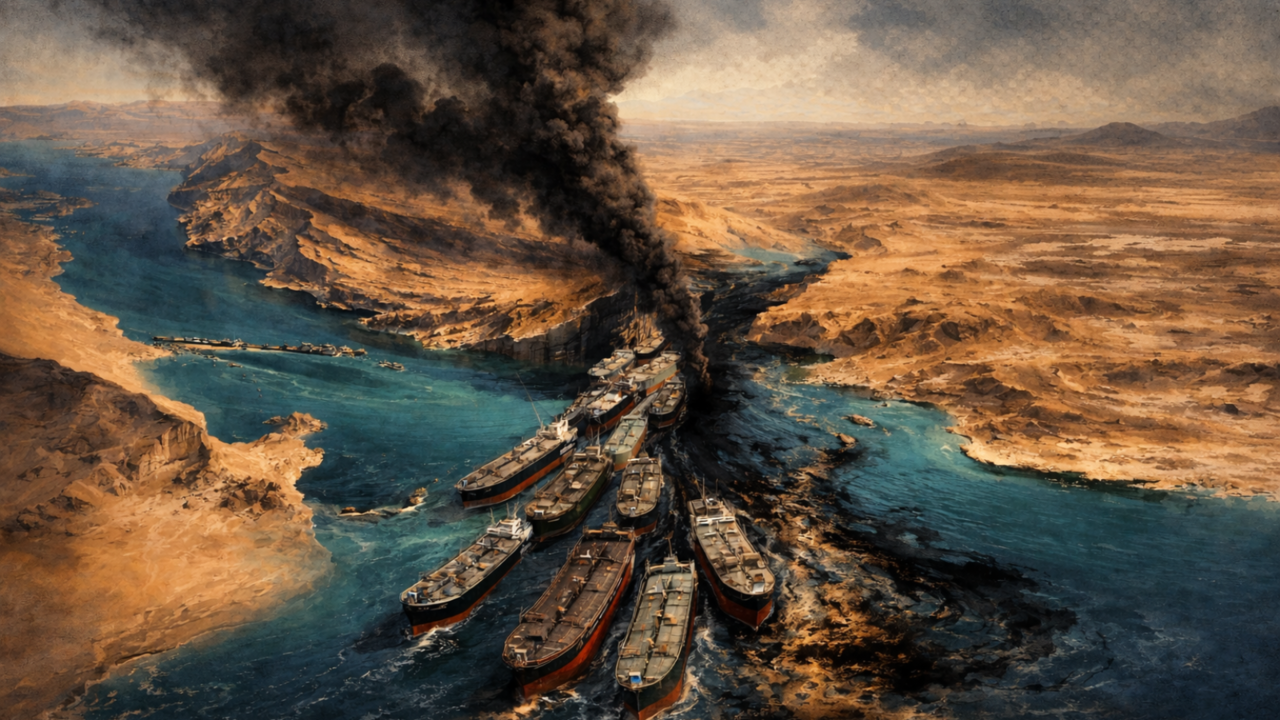
The geopolitical landscape of the Middle East has long been a complex tapestry of alliances, rivalries, and strategic maneuvers. At its heart lies the enduring tension between the United States and Iran, a dynamic that analysts have often described with a single, foreboding word: quagmire. While public discourse frequently frames the debate around whether a potential conflict with Iran could devolve into an unwinnable struggle, a closer examination reveals a more sobering reality. Many foreign policy experts contend that, from a strategic standpoint, the United States may have already found itself entangled in precisely such a predicament.
This perspective posits that the focus on a conventional, declared war misses the broader, multifaceted nature of modern geopolitical engagement. The "quagmire" isn't necessarily a boots-on-the-ground invasion, but rather a protracted, low-intensity confrontation involving a complex web of proxy conflicts, economic sanctions, cyber warfare, diplomatic stalemates, and persistent regional destabilization. For years, the U.S. and Iran have been engaged in a shadow war across various theaters, including Iraq, Syria, Yemen, and the Persian Gulf, utilizing a blend of military posturing, covert operations, and economic pressure that yields no clear victory conditions for either side.
During the administration of former President Donald Trump, policies such as the withdrawal from the Joint Comprehensive Plan of Action (JCPOA), commonly known as the Iran nuclear deal, and the subsequent implementation of a "maximum pressure" campaign, significantly escalated these tensions. While intended to curb Iran's nuclear ambitions and destabilizing regional activities, these measures also arguably pushed the region closer to direct confrontation and solidified Tehran's resolve rather than fostering compliance. Critics argue that this approach, while seemingly decisive, failed to offer a viable off-ramp or a clear path to de-escalation, trapping both nations in a cycle of reprisal and counter-reprisal.
The inherent difficulty in defining victory in such a conflict further complicates the situation. Is victory achieved through regime change in Tehran, a return to the nuclear deal, or simply containing Iran's influence? Each objective carries immense costs and risks, with no guarantee of success. The U.S. withdrawal from Afghanistan and the prolonged engagements in Iraq serve as potent reminders of the challenges of nation-building and achieving decisive outcomes in complex geopolitical environments. Iran, with its deep-seated revolutionary ideology, extensive network of regional proxies, and strategic geographic position, presents an adversary resilient to external pressure and skilled in asymmetric warfare.
Looking ahead, the strategic dilemma remains profound. Any administration seeking to navigate this intricate relationship faces immense pressure. Escalation risks broader regional conflict and potentially catastrophic global implications, while de-escalation often appears as concession or weakness to hardliners on both sides. The current state of affairs suggests that breaking free from this "unwinnable war" scenario requires not just tactical adjustments but a fundamental re-evaluation of long-term strategy, prioritizing sustained diplomacy, credible deterrence, and a nuanced understanding of regional power dynamics over punitive measures alone. Until such a paradigm shift occurs, the shadow war with Iran may indeed continue to be America's most persistent and challenging strategic entanglement.
You Might Also Like


More in World
- "Iran's Pilot Exodus: War Pushes Talent To India"
- ‘Terror plot’: Who is Matthew VanDyke, the US citizen arrested by India’s NIA?
- "US Missile Stockpile Drained? Trump's Iran War Costs $5Bn in 2 Days"
- Solar Eclipse 2026: Here's what every student should know about the year’s first ‘Surya Grahan’
- How Louvre Museum In Paris Lost Over Rs 100 Crore In Ticket Scam
