Why Gold Prices Are Rising Globally In 2026: Explained
By NewsDose Team
Updated on January 30, 2026
5 min read
Key takeaways
Experts predict gold prices could continue to rise, potentially reaching $6,000 per ounce by the end of 2026.
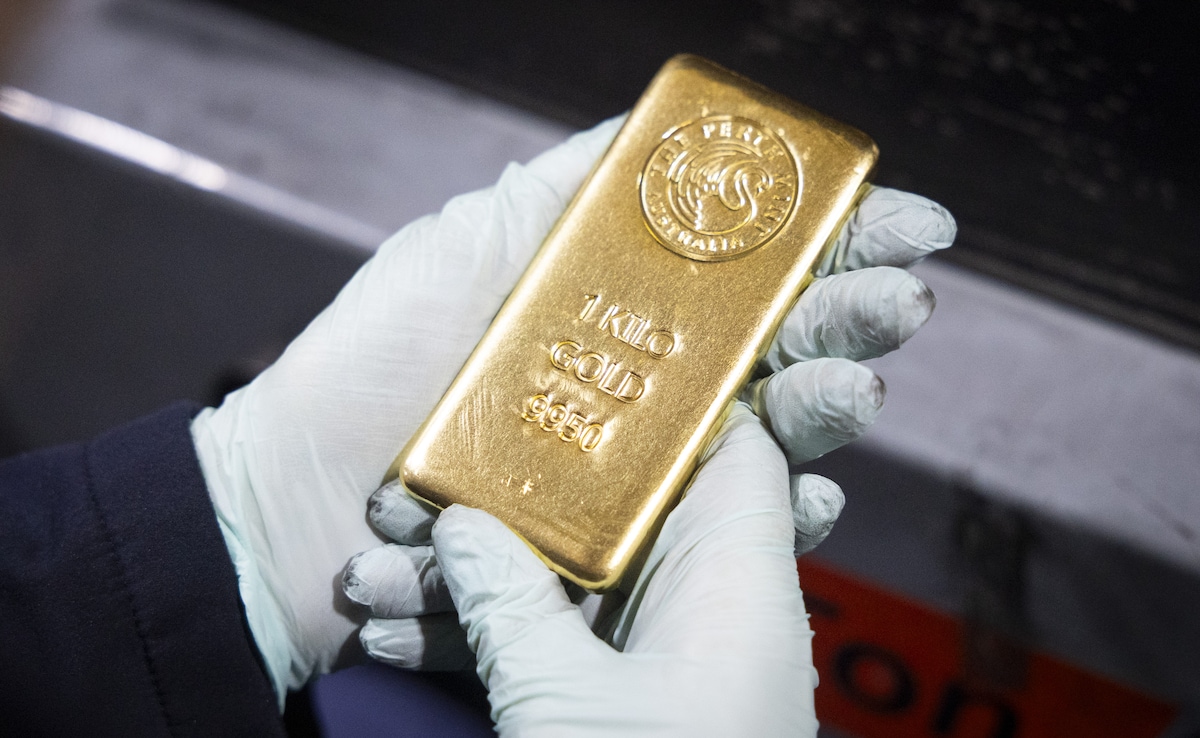
In a period marked by shifting economic landscapes and persistent global anxieties, gold has emphatically reaffirmed its status as the quintessential safe-haven asset, soaring to unprecedented valuations in early 2026. The international spot price for the precious metal recently surpassed the formidable $5,500 per ounce mark, capturing the attention of investors and central banks worldwide and sparking a renewed 'gold rush' that reflects deeper macroeconomic currents.
This historic surge isn't merely a fleeting market fluctuation; it's a convergence of several powerful factors, each contributing to gold's magnetic appeal. Understanding these drivers provides crucial insight into the current financial environment.
Global Instability Fuels Demand for Tangible Assets
One of the primary catalysts behind gold's stellar performance is the palpable sense of global uncertainty. Geopolitical tensions continue to simmer across various regions, while new trade tariffs and economic friction between major international players introduce an element of unpredictability to traditional markets. In such an environment, investors naturally gravitate towards assets perceived as stable and secure. Gold, with its millennia-old reputation as a store of value, offers a tangible alternative to fluctuating stocks and currencies, providing a sense of security when the broader financial world feels precarious.
Central Banks Diversify Away from Traditional Reserves
The appetite for gold extends far beyond individual investors; national central banks are also significant players in this escalating demand. Reports from financial institutions indicate a sustained trend of central banks, particularly those in rapidly developing economies, aggressively accumulating gold reserves. This strategic move is largely aimed at diversifying away from a heavy reliance on a single reserve currency, such as the US dollar. By bolstering their gold holdings, these nations seek to mitigate risks associated with currency fluctuations and reinforce their economic sovereignty, a trend that consistently adds upward pressure to gold prices.
A Weaker Dollar Makes Gold More Accessible
Compounding these factors is the recent trajectory of the US dollar. As the benchmark currency for gold pricing, a weaker dollar makes the precious metal more affordable for buyers holding other currencies. The dollar has recently touched multi-year lows against a basket of international currencies, effectively reducing the cost of entry for non-dollar investors. This enhanced affordability naturally stimulates demand from a broader international pool of buyers, further propelling gold's value upwards.
Interest Rate Policy and Inflationary Pressures
The current global interest rate environment also plays a pivotal role. With several major central banks, including the US Federal Reserve, opting to maintain steady or even anticipate future cuts in interest rates, the appeal of traditional interest-bearing savings accounts diminishes. Gold, which does not yield interest, becomes comparatively more attractive when the returns on conventional financial instruments are low. Furthermore, persistent concerns about inflation, which erodes the purchasing power of fiat currencies, drive investors towards gold as a traditional hedge against rising prices.
The Outlook: Continued Ascent on the Horizon?
As these fundamental drivers show little sign of abatement, financial analysts and market experts suggest that gold's upward trajectory may continue. Major banking institutions and economic forecasters have revised their price targets, indicating a consensus that gold could maintain its strength as long as global economic stability remains elusive. Some projections even suggest the possibility of gold reaching an unprecedented $6,000 per ounce before the close of the year, underscoring the enduring power of the yellow metal in uncertain times.
You Might Also Like


More in World
- "Iran's Pilot Exodus: War Pushes Talent To India"
- ‘Terror plot’: Who is Matthew VanDyke, the US citizen arrested by India’s NIA?
- Is America already trapped in an unwinnable war with Iran?
- "US Missile Stockpile Drained? Trump's Iran War Costs $5Bn in 2 Days"
- Solar Eclipse 2026: Here's what every student should know about the year’s first ‘Surya Grahan’
