Kalonji Can Help Lower Blood Pressure And Cholesterol, Says Doctor; All Benefits Of Black Nigella Seeds Listed
By NewsDose Team
Updated on January 30, 2026
5 min read
Key takeaways
From the time of consumption to a safe amount, gastroenterologist Saurabh Sethi explains whether kalonji seeds are actually beneficial.
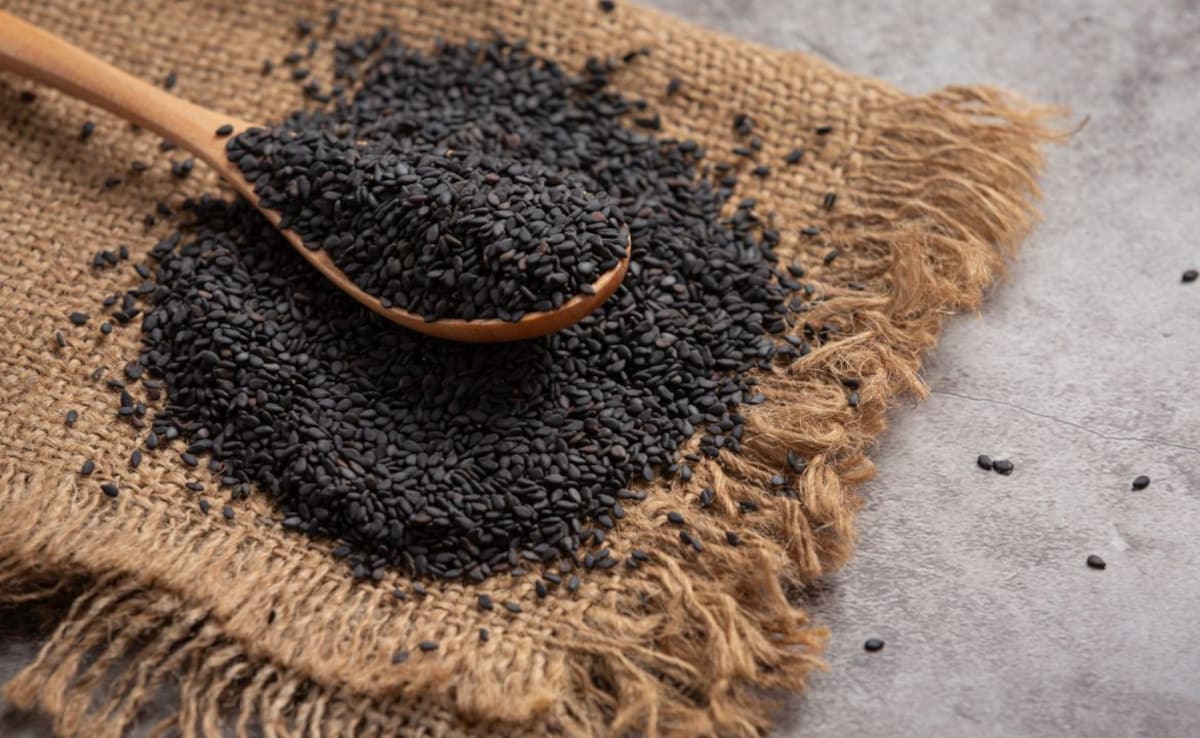
In the vibrant tapestry of Indian cuisine, certain ingredients stand out not just for their flavour but also for their profound health benefits. Among these, Kalonji seeds, also widely known as black seeds, nigella seeds, or black cumin, hold a distinguished place. These tear-shaped, dark seeds originating from the Nigella sativa plant are more than just a common spice; they are a nutritional powerhouse, revered in traditional medicine and increasingly validated by modern scientific research.
With a distinct nutty and slightly bitter flavour profile, Kalonji seeds are a staple in many Indian dishes, imparting a savoury depth to curries, pickles, and various breads like naan. Beyond their culinary appeal, these tiny seeds are packed with a rich array of essential nutrients. They contain protein, carbohydrates, and dietary fibre, alongside vital minerals such as calcium, phosphorus, iron, sodium, and potassium. Furthermore, Kalonji seeds are a source of essential vitamins including A, C, E, and K, contributing significantly to overall well-being.
The Nutritional Profile of Black Seeds
Often lauded for their extensive health-promoting properties, Kalonji seeds have garnered attention as a 'miracle seed.' While it's crucial to approach such claims with a balanced perspective, the evidence supporting their benefits is substantial. The primary active compound, thymoquinone, is particularly noted for its antioxidant, anti-inflammatory, and hepatoprotective (liver-protecting) qualities, forming the cornerstone of many of its therapeutic effects.
Comprehensive Health Benefits of Kalonji Seeds
Let's delve deeper into the specific ways incorporating these potent seeds into your diet can enhance your health:
- Cardiovascular Health Enhancement: Regular consumption of Kalonji seeds has been linked to significant improvements in heart health. Studies indicate their ability to help lower elevated blood pressure, a key risk factor for heart disease. Moreover, the healthy fats present, such as oleic and linoleic acids, play a crucial role in balancing cholesterol levels, specifically reducing 'bad' LDL cholesterol and triglycerides, while their anti-inflammatory properties protect heart muscles from oxidative stress.
- Regulating Blood Sugar Levels: For individuals managing blood sugar, Kalonji seeds offer a promising natural aid. Clinical trials have demonstrated their capacity to reduce glucose absorption in the intestine and improve glucose tolerance. This translates to lower fasting blood sugar and better HbA1c levels, which are vital markers for diabetes management and prevention. These effects are attributed to improved insulin sensitivity.
- Potent Anti-inflammatory and Pain Relief: Inflammation is at the root of many chronic diseases. Kalonji seeds possess powerful anti-inflammatory compounds that can significantly reduce systemic inflammation. This property is particularly beneficial for alleviating joint pain, with some evidence from rheumatoid arthritis trials showing an improvement in inflammatory markers among participants.
- Support for Respiratory Health and Allergies: Traditionally, Kalonji seeds have been used to address various respiratory ailments. Their bronchodilatory properties can help ease symptoms of asthma, cough, and congestion, providing relief from mild respiratory discomfort. They may also play a role in mitigating allergic reactions.
- Rich in Antioxidants: The abundance of antioxidants in Kalonji seeds, including thymoquinone, makes them a formidable ally against oxidative stress. These compounds work to neutralize harmful free radicals in the body, which are responsible for cellular damage and accelerated aging, thus supporting overall cellular health.
- Protecting Vital Organs: Emerging research suggests that Kalonji seeds offer protective benefits for the liver and kidneys, crucial organs for detoxification and waste elimination. While much of this data is still experimental, the findings are promising, indicating a potential role in safeguarding these vital organs from damage.
- Boosting Metabolism and Digestive Wellness: Incorporating Kalonji seeds into your diet can contribute to a healthier digestive system. Studies suggest they help reduce common digestive complaints like gas and bloating. Furthermore, Kalonji oil is known for its gastroprotective effects, helping to shield the stomach lining from gastric ulcers.
- Strengthening Immune Function: The antimicrobial and antiviral properties of compounds like thymoquinone, alongside the rich nutrient profile, bolster the body's natural defence mechanisms. Regular, moderate intake of Kalonji seeds can therefore contribute to a stronger immune system, helping the body ward off infections more effectively.
- Enhancing Skin and Hair Health: The benefits of Kalonji extend to external health as well. The anti-inflammatory and antibacterial compounds, including nigellone and thymoquinone, found in these seeds can promote clearer skin by combating bacterial infections and reducing inflammation, while also contributing to healthier hair.
Incorporating Kalonji into Your Daily Routine
Given their myriad benefits, integrating Kalonji seeds into your diet is a straightforward way to boost your health. They can be lightly toasted and added to bread doughs, sprinkled over salads, mixed into smoothies, or used as a spice in various cooked dishes. Kalonji oil is also available and can be taken in small, measured doses or applied topically.
Important Considerations for Consumption
While Kalonji seeds are incredibly beneficial, moderation is key. It is generally recommended to consume 1/2 to 1 teaspoon of the seeds daily. While cooking with them is safe, extremely high doses can be toxic. As with any powerful natural ingredient, it’s always advisable to consult a healthcare professional, especially if you have existing health conditions or are on medication, to ensure it aligns with your individual health needs.
In conclusion, Kalonji seeds stand as a remarkable superfood, offering a broad spectrum of health benefits from immune support and digestive relief to blood sugar regulation, heart health, and improved skin and hair wellness. Embracing this ancient remedy thoughtfully can be a valuable addition to a holistic approach to health and well-being.