"Infidelity DNA Test: Father's Right to Prove Paternity?"
By NewsDose Team
Updated on March 28, 2026
5 min read
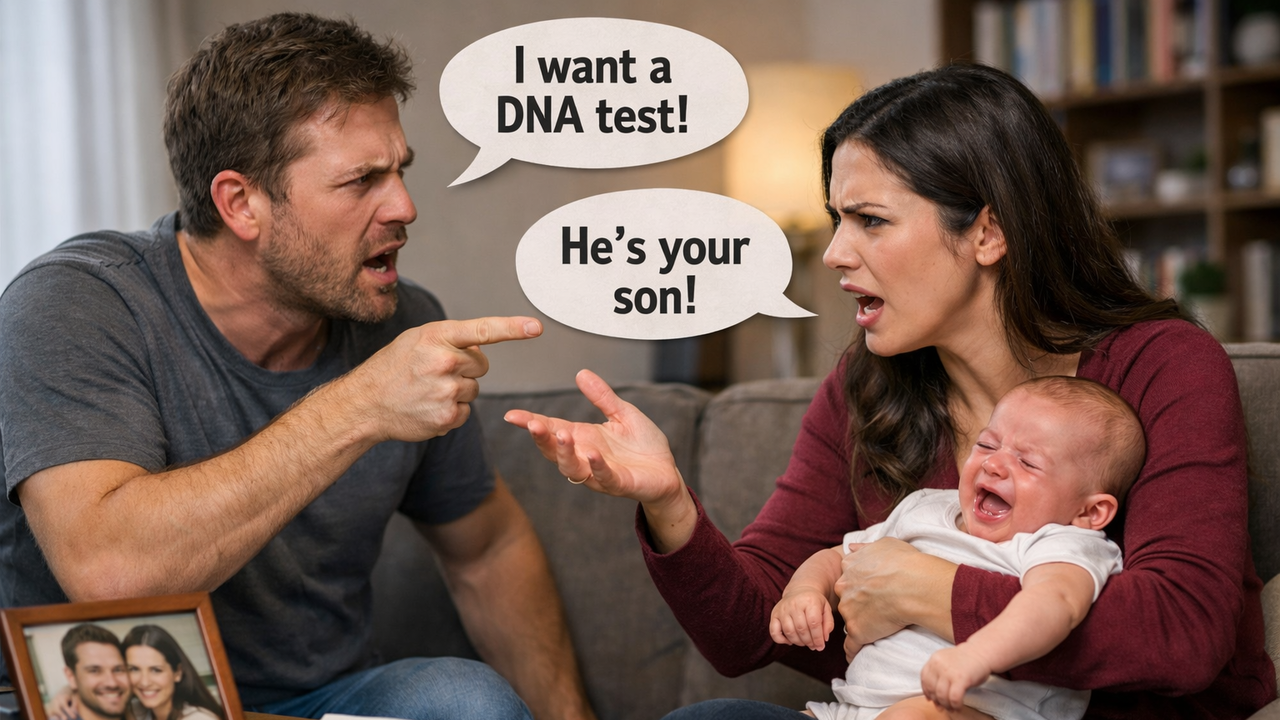
Key takeaways
Law News: In a significant ruling reinforcing the privacy and dignity of children in matrimonial disputes, the High Court of Andhra Pradesh held that a child ca.
Key Takeaways
- The surge in demand for infidelity DNA tests is fueling a contentious legal and ethical debate over a father's fundamental right to prove biological paternity.
- Courts globally are navigating a complex landscape, balancing privacy concerns of mothers and children against the alleged father's desire for biological certainty and truth.
- Legal outcomes vary significantly by jurisdiction, with some countries granting more rights to fathers seeking paternity proof, while others prioritize the child's welfare and privacy.
The Full Story
The burgeoning demand for infidelity DNA tests has ignited a profound debate regarding a father's right to prove paternity, particularly in cases where marital fidelity is questioned. Across various jurisdictions, courts and legal experts grapple with the complex interplay between personal privacy, the child's welfare, and an individual's fundamental right to ascertain biological lineage. This sensitive issue involves not only the scientific accuracy of DNA testing but also deep ethical, social, and legal ramifications that redefine familial relationships and parental responsibilities in the 21st century.
For years, DNA paternity testing has been a standard in family law for establishing legal fatherhood. However, the rise of direct-to-consumer and private investigator-facilitated infidelity DNA tests introduces new challenges. These tests, often conducted discreetly and without the full consent of all parties, raise significant ethical and legal questions. A father, suspecting infidelity and questioning his biological connection to a child, might seek such a test. But what happens when the mother objects, citing privacy or the potential emotional harm to the child?
Legal Battlegrounds: Privacy vs. Paternity Rights
The legal landscape surrounding a father's right to demand a paternity test, especially when infidelity is a factor, is fraught with contention. In some regions, legal precedent leans towards a “right to know” for the alleged father. For instance, in a landmark case in Germany in 2007, the Federal Constitutional Court ruled that a man has a right to know the biological paternity of a child attributed to him. Similarly, courts in parts of the United States and Australia have recognized the importance of biological truth in specific circumstances, often considering it in the context of child support, inheritance, or immigration cases.
Conversely, many legal systems, particularly in France and some jurisdictions within the United Kingdom, place a higher emphasis on the privacy of the mother and child. They often require compelling evidence of necessity or court approval before a paternity test can be mandated. This approach prioritizes the child’s psychological well-being and the stability of the family unit over a parent's desire for absolute biological certainty. Critics argue that forcing a test could destabilize a child's sense of identity and family, especially if the presumed father has been a loving and present figure.
“The legal pendulum swings between an individual's quest for truth and the paramount interest of the child. It's a delicate balance to strike, with no easy answers,” stated Dr. Evelyn Reed, a renowned family law expert based in London, speaking at the Global Family Law Summit in March 2026. “Every case is unique, demanding careful consideration of all parties' rights and the potential impact on the child.”
The implications of an infidelity DNA test extend beyond legal parentage. It can trigger profound emotional distress, lead to relationship breakdowns, and significantly impact a child’s identity and future. The ethical debate also touches on the potential for misuse of genetic information and the exploitation of privacy in marital disputes.
The Science and Societal Impact
Technologically, DNA testing is highly accurate, often yielding paternity probabilities of 99.9% or higher. However, the scientific certainty does not simplify the human complexities involved. The societal impact is immense: revelations of non-paternity can shatter trust, redefine family structures, and create lasting psychological scars. Advocates for a father’s right to prove paternity argue that knowing the truth is essential for financial responsibility, emotional closure, and understanding one's own genetic heritage. On the other hand, privacy advocates stress the potential for abuse and the need to protect vulnerable individuals, especially children, from potentially devastating disclosures.
Why This Matters
The ongoing debate surrounding infidelity DNA tests and a father's right to prove paternity highlights a fundamental tension in modern society: the individual's right to truth versus the collective good of family stability and individual privacy. Its resolution will shape future family law, impact perceptions of marriage and parenthood, and set precedents for how personal genetic information is accessed and utilized in legal and ethical contexts worldwide.
Frequently Asked Questions
- What is an infidelity DNA test? An infidelity DNA test is a type of genetic test often used by individuals who suspect their partner of infidelity, typically to determine if a child is biologically related to the presumed father.
- Can a father legally demand a paternity test without the mother's consent? This varies significantly by jurisdiction. In some places, a court order may be required, balancing the father’s right to know against the child's welfare and the mother's privacy rights.
- What are the ethical concerns surrounding infidelity DNA tests? Ethical concerns include privacy violations, potential emotional harm to the child, the lack of informed consent from all parties, and the misuse of genetic information in private disputes.
You Might Also Like


More in Lifestyle
- "Heart Disease Hits Young Indians: Risks, Prevention, Recovery"
- "Asia's 50 Best 2026: Hong Kong Wins, India Lands 2 Spots"
- "Asia's 50 Best 2026: India's Rising Stars & #1 Revealed"
- Make This South Indian–Style Tomato Chutney In 10 Minutes
- Top 10 Foods To Reduce Liver Fat And Inflammation: AIIMS, Harvard-Trained Doctor Shares List
