Is Consuming Muli Ki Patte Or Radish Leaves At Night Beneficial For Kidney Stones?
By NewsDose Team
Updated on January 28, 2026
5 min read
Key takeaways
Muli ki patte, or radish leaves, may boost overall kidney health. Here is why they should be on your plate and the risks associated with their consumption.
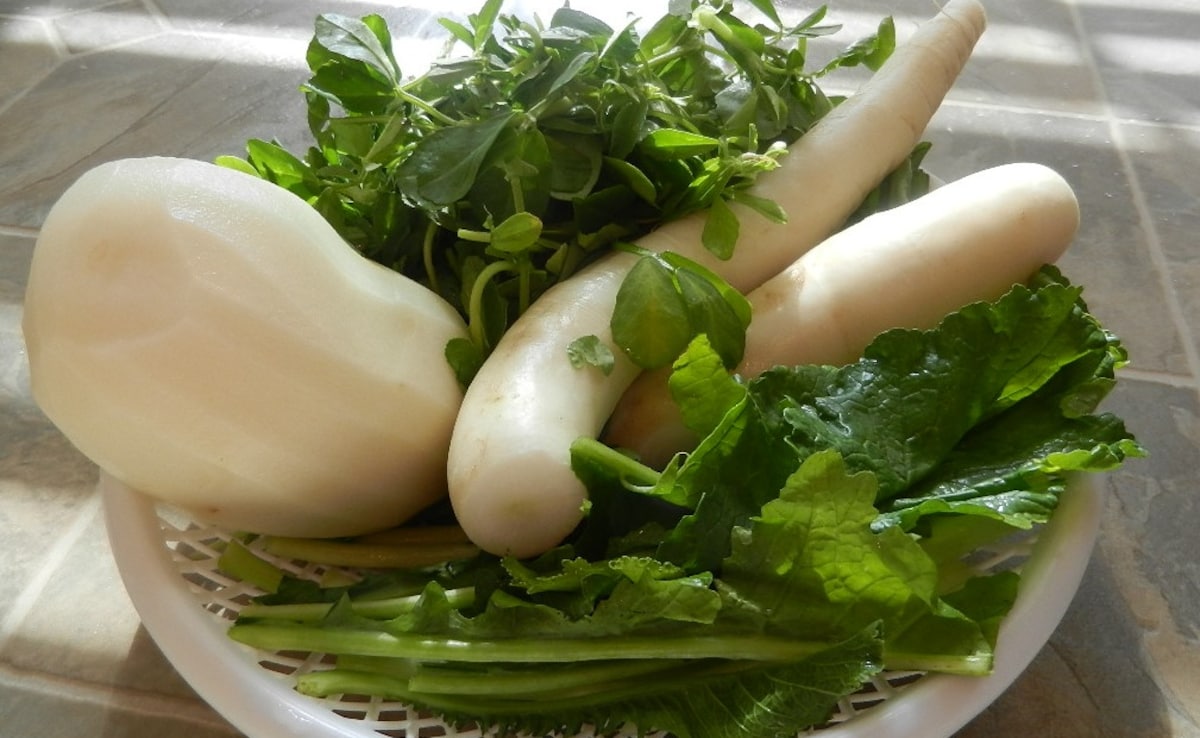
Often overlooked and discarded, the vibrant green leaves of the common radish, or 'muli ki patte,' hold a surprising array of health benefits that could significantly impact your well-being. While the radish root is a familiar staple, its leafy greens are typically relegated to the compost bin. However, new insights into their nutritional profile suggest it’s time to rethink this habit, especially when it comes to supporting vital organ functions like kidney health.
For too long, these nutrient-rich leaves have been an unsung hero in the world of dietary health. When properly prepared – thoroughly washed to remove dirt and then incorporated into dishes, whether sautéed, pickled, or added to salads – they can unlock a spectrum of advantages. Perhaps the most compelling reason to spotlight radish leaves is their remarkable potential in promoting overall kidney health, a critical aspect of our body's internal balance.
The Global Burden of Kidney Disease: Why Dietary Changes Matter
Globally, a significant portion of the population grapples with some form of kidney disease. Reports indicate that hundreds of millions are affected, with prevalence rates steadily climbing. This concerning trend is largely attributed to the increasing incidence of lifestyle-related conditions such as diabetes and hypertension, coupled with environmental pollution and sedentary habits. In this landscape, proactive dietary adjustments that bolster kidney function are not just beneficial; they are essential.
While radish leaves can be a valuable addition to a kidney-friendly diet, it's crucial to understand their role within a holistic health strategy. No single vegetable is a magic bullet for kidney health. Consistent consumption, combined with other healthy practices, is key to observing a tangible difference. Remember, optimal kidney health is multifactorial, requiring daily exercise, maintaining good posture, and abstaining from detrimental habits like excessive alcohol consumption and smoking.
Radish Leaves for Kidney Health: Prevention Over Cure
A common question arises: can consuming radish leaves, particularly at night, be beneficial for kidney stones? The answer lies in nuance. Yes, they can contribute to overall kidney wellness and may play a role in the prevention of kidney stones. However, once a diagnosis of kidney stones is made, dietary interventions primarily serve to manage symptoms and are never a substitute for professional medical treatment. Any decision regarding their suitability for individuals with existing conditions must be made in consultation with a healthcare provider, taking into account one's complete medical history.
For generally healthy individuals aiming to proactively reduce their risk of developing kidney stones or other kidney-related issues, incorporating radish leaves into their diet can be quite advantageous. This is due to radish leaves being a powerhouse of essential vitamins, minerals, and dietary fiber, alongside offering significant hydration benefits. These combined elements work synergistically to nourish and support robust kidney function.
Unpacking the Science: How Radish Leaves Support Your Kidneys
Emerging research continues to highlight the mechanisms through which radish leaves benefit kidney health:
- Antioxidant Powerhouse: Studies indicate that when consumed in moderation as part of a balanced diet, radish leaves supply the body with a generous dose of antioxidants. These vital compounds are crucial for neutralizing harmful free radicals.
- Protecting Renal Tissue: In turn, these antioxidants play a critical role in safeguarding the delicate renal tissues within the kidneys from oxidative damage. Oxidative stress is a major contributor to cellular aging and can significantly impair the functioning of internal organs, including the kidneys.
Understanding Kidney Stones and the Role of Radish Leaves
To fully appreciate the preventive potential of radish leaves, it helps to understand kidney stones themselves. These are primarily hard deposits, composed of minerals and salts, that form inside the kidneys and can cause painful obstruction. While minerals and salts are vital for daily bodily functions, an imbalance – either too much or too little, often compounded by insufficient hydration or excessive oxalate intake – can lead to their formation. The root of the problem often lies in the body's inability to effectively process these substances.
The hallmark symptom of kidney stones is often excruciating pain during urination, a direct result of the obstruction they cause. This underscores why making informed dietary choices can be a proactive step in your favor. It's important to note: if you have pre-existing kidney conditions and are on prescribed medications, radish leaves could potentially interact with them. Always consult a medical professional for personalized advice and the best course of action.
Why Integrate Radish Leaves Into Your Daily Diet, Including Evening Meals?
While specific peer-reviewed studies on the unique benefits of consuming radish leaves *at night* for kidney health are limited, their general inclusion in your evening meal can still contribute positively. Radish leaves can easily be incorporated into dinner as a nutritious side dish or an ingredient within the main course, making them a consistent part of your daily intake. Broader research on radish roots and leaves highlights their effectiveness in helping prevent crystal formation, a common precursor to kidney stones.
Beyond crystal prevention, radish leaves boast several other health advantages when consumed regularly:
- Diuretic and Detoxifying Properties: They are recognized for their natural diuretic and detoxifying effects. This means they can aid the body in flushing out excess minerals and toxins, thereby potentially reducing the risk of stone formation and supporting overall kidney cleansing.
- Hydration and Fiber: Adhering to general dietary guidelines for stone prevention emphasizes adequate hydration, a low oxalate intake, and balanced mineral consumption. Radish leaves naturally provide both hydration and a good amount of fiber, which is beneficial for digestive health and overall well-being.
- Managing Oxalate Content: However, it's worth noting that radish leaves do contain oxalates. For individuals highly sensitive to oxalates or prone to certain types of kidney stones, excessive consumption might potentially worsen stone risk. Therefore, moderation and awareness of individual sensitivity are key.
Optimal Ways to Enjoy Radish Leaves
Integrating radish leaves into your diet can be both simple and delicious. Here are various safe and effective ways to prepare and consume them:
- Raw Consumption: If you have a robust metabolism and have consumed radishes for an extended period without adverse effects, raw radish leaves can be a crisp addition to salads. However, for those new to them or with sensitive systems, other methods are often preferred.
- Pickling for Enhanced Benefits: For sensitive individuals, pickling radish leaves can be an excellent option. Fermenting them not only transforms their texture and flavor but can also enhance their digestibility and potentially boost their health benefits by introducing beneficial probiotics.
- Cooked Varieties: Gently sautéing them with garlic and spices, adding them to soups, stews, or even blending them into a pesto can make for a delightful and nutrient-dense meal.
- Mindful Portioning: Regardless of the preparation method, begin with a small portion to assess how your digestive system reacts. This allows you to gradually increase intake as your body adjusts.
- Nighttime Considerations: While consuming radish leaves at night offers benefits like sustained hydration and fiber intake, be mindful of potential disadvantages such as bloating or digestive discomfort in some individuals due to their fiber content.
A balanced intake is always recommended, emphasizing moderation. If you are predisposed to kidney stones or have any underlying health conditions, always consult with a medical doctor or a registered dietitian before making significant dietary changes.
Important Precautions and Who Should Exercise Caution
While radish leaves offer numerous benefits, it's imperative to approach their consumption with caution in certain scenarios:
- Individuals diagnosed with kidney disease, those with pre-existing digestive issues, or anyone with known high oxalate sensitivity should seek professional medical advice. A healthcare provider can determine if radish leaves can be safely incorporated into their diet and in what quantities.
- If you are entirely new to consuming radishes or their leaves, it is highly advisable to consult with a dietitian or nutritionist. They can provide personalized guidance on appropriate intake and preparation methods tailored to your individual health profile.
In conclusion, while radish leaf consumption can indeed support kidney health and contribute to the prevention of kidney stones, it is not a standalone cure or replacement for medical treatment. The cornerstone of kidney wellness lies in practicing moderation, adhering to a balanced and varied diet, maintaining a healthy lifestyle, and most importantly, seeking qualified medical guidance for any health concerns. This content provides generic information and should not be considered a substitute for professional medical advice. Always consult a specialist or your personal doctor for detailed information and treatment plans tailored to your specific needs.