Kalonji Can Help Lower Blood Pressure And Cholesterol, Says Doctor; All Benefits Of Black Nigella Seeds Listed
By NewsDose Team
Updated on January 30, 2026
5 min read
Key takeaways
From the time of consumption to a safe amount, gastroenterologist Saurabh Sethi explains whether kalonji seeds are actually beneficial.
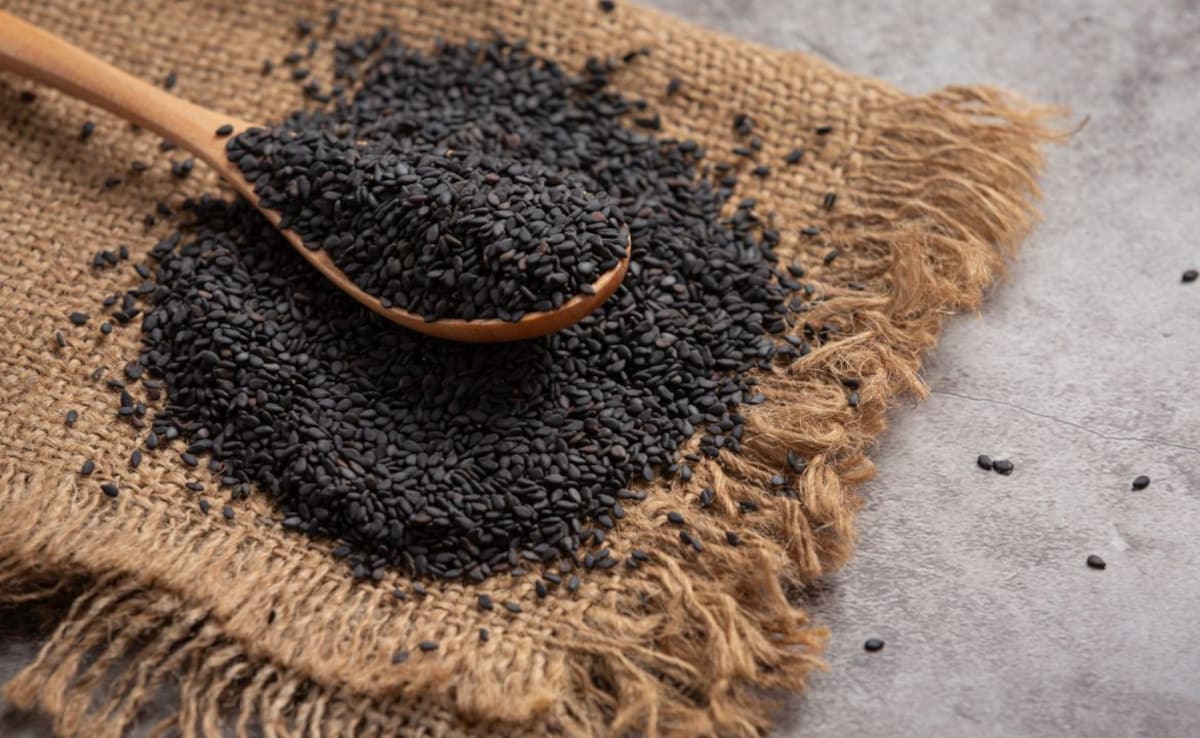
In the vibrant tapestry of Indian cuisine, certain ingredients transcend mere flavor enhancers, offering a treasure trove of health benefits rooted in centuries of traditional use. Among these revered components are Kalonji seeds, also known globally as black seeds, nigella seeds, or black cumin. These small, tear-shaped seeds, hailing from the Nigella sativa plant, boast a distinctive nutty, slightly bitter taste that lends depth to curries, pickles, and artisanal breads.
Beyond their culinary appeal, Kalonji seeds are increasingly recognized for their profound nutritional profile and medicinal properties. Modern scientific inquiry is now validating many of the long-held beliefs about these ancient seeds, positioning them as a true superfood for holistic wellness.
A Nutritional Powerhouse
Don't let their diminutive size fool you; Kalonji seeds are packed with essential nutrients. They provide a robust combination of protein, carbohydrates, and dietary fiber, crucial for overall bodily function. Furthermore, they are a rich source of vital minerals such as calcium, phosphorus, iron, sodium, and potassium, all indispensable for maintaining bone health, fluid balance, and energy metabolism. The seeds also supply essential vitamins A, C, E, and K, contributing to immune function, antioxidant defense, and blood coagulation.
Healthcare professionals and nutritionists are actively exploring the full spectrum of benefits these seeds offer. Insights from experts suggest that while not a miraculous cure-all, Kalonji seeds possess a remarkable array of health-promoting compounds worth integrating into a balanced diet.
Unlocking Key Health Benefits
The myriad health advantages attributed to Kalonji seeds are extensive, impacting several critical bodily systems:
- Cardiovascular Health: Regular consumption of black seeds has been associated with significant improvements in heart health. The healthy fats, including oleic and linoleic acids, play a crucial role in balancing LDL (often referred to as 'bad') cholesterol and triglyceride levels, vital for preventing arterial plaque buildup. Moreover, their inherent anti-inflammatory properties help mitigate oxidative stress on heart muscles, promoting overall cardiac well-being. Studies indicate their potential to help lower elevated blood pressure, contributing to a healthier cardiovascular system.
- Blood Sugar Regulation: For individuals managing blood sugar levels, Kalonji seeds offer promising support. Clinical trials suggest that nigella seeds can reduce glucose absorption in the intestine and enhance glucose tolerance, leading to improved fasting blood sugar and HbA1c levels. This effect is particularly beneficial for improving insulin sensitivity.
- Anti-inflammatory and Pain Relief: Inflammation is at the root of many chronic conditions. Kalonji seeds are rich in powerful anti-inflammatory compounds, including thymoquinone, which can significantly reduce systemic inflammation. There is evidence from trials, particularly concerning rheumatoid arthritis, showing that inflammatory markers improved with Kalonji intake, also helping to alleviate joint pain.
- Respiratory Support: Traditionally, black seeds have been employed to soothe respiratory ailments. Their bronchodilatory properties can help ease coughs, congestion, and mild respiratory discomfort, making them a natural remedy for asthma and allergy symptoms.
- Immune System Boost: Packed with antioxidants, Kalonji seeds help neutralize harmful free radicals that can damage cells and contribute to disease. Compounds like thymoquinone also exhibit antimicrobial and antiviral properties, fortifying the body's natural defense mechanisms and enhancing overall immune function.
- Digestive Wellness: These versatile seeds are known to promote robust digestive health. Studies indicate their ability to reduce uncomfortable symptoms like gas and bloating. Kalonji oil, in particular, has been recognized for its protective effects on the stomach lining against gastric ulcers, promoting a healthier gut environment.
- Skin and Hair Vitality: The anti-inflammatory and antibacterial compounds present in Kalonji, such as nigellone and thymoquinone, are not just beneficial internally. When applied topically or consumed regularly, they can contribute to clearer skin and healthier, more lustrous hair, addressing various dermatological and follicular concerns.
- Liver and Kidney Protection: While promising, much of the data regarding Kalonji's protective effects on the liver and kidneys remains largely experimental. Nevertheless, early findings suggest a potential role in supporting these vital organs.
Integrating Kalonji into Your Diet and Important Considerations
Incorporating Kalonji seeds into your daily diet is straightforward. They can be lightly toasted and sprinkled over salads, mixed into bread dough, added to vegetable stir-fries, or ground into spice blends for various dishes. Their unique flavor complements a wide range of cuisines, especially Indian, Middle Eastern, and North African. For those who prefer a more direct approach, Kalonji oil can be consumed, often diluted, or used as a dressing.
However, it is crucial to approach consumption with moderation. While incredibly beneficial, black seeds are potent. Experts advise that consuming 1/2 to 1 teaspoon of the seeds daily is generally safe and effective. It's important to note that Kalonji seeds are not a 'weight loss miracle' and should not be consumed in excessively high doses, as they can be toxic. Always adhere to recommended quantities to reap their benefits safely.
In conclusion, Kalonji seeds stand out as a multifaceted superfood, offering an impressive array of health benefits from immune support and digestive relief to cardiovascular health and skin vitality. While their ancient wisdom is now backed by modern science, they should always be consumed thoughtfully and in moderation as part of a balanced lifestyle.
Disclaimer: This content is for informational purposes only and does not constitute medical advice. Always consult a qualified healthcare professional or your own doctor for personalized medical guidance or before making any changes to your diet or health regimen.