Top 10 Foods To Reduce Liver Fat And Inflammation: AIIMS, Harvard-Trained Doctor Shares List
By NewsDose Team
Updated on February 15, 2026
5 min read
Key takeaways
Dr. Saurabh Sethi, a gastroenterologist trained at AIIMS, Harvard, and Stanford Universities, recommends 10 foods to support liver health.
The rising prevalence of fatty liver disease has become a significant public health concern across India, with statistics indicating that nearly one in three adults are now affected. This condition, characterized by an excessive accumulation of fat within liver cells, can escalate from simple steatosis to severe inflammation, fibrosis, and potentially liver failure if left unaddressed. While medical interventions play a crucial role, dietary modifications are increasingly recognized as a cornerstone of management and prevention.
A leading gastroenterologist, trained at prestigious medical institutions, emphasizes the profound impact of nutrition on liver health. Adopting a diet rich in specific liver-friendly foods can significantly mitigate fat buildup, reduce inflammation, and enhance overall liver function. Here’s an in-depth look at 10 powerful foods recommended to support a healthy liver.
1. Garlic: The Potent Protector
Often hailed as a superfood, garlic offers remarkable benefits for liver health. Its active compounds, particularly allicin, are instrumental in minimizing fat accumulation within liver cells. Beyond its fat-reducing properties, garlic is a powerhouse of essential micronutrients including Vitamin B6, Vitamin C, selenium, calcium, and manganese. Incorporating raw garlic into your daily routine, whether finely minced in salads or added generously to cooked meals, can provide robust protective effects against liver damage and promote a healthier hepatic system.
2. Tofu & Tempeh: Plant-Based Liver Support
For individuals seeking plant-based protein sources, tofu and tempeh stand out as excellent choices for liver health. These soy-based foods are inherently low in saturated fat and play a vital role in improving insulin sensitivity, a key factor for those battling fatty liver disease. The soy content actively contributes to reducing liver fat. Moreover, the rich array of antioxidants found in tofu and tempeh helps to combat liver inflammation and safeguard delicate liver cells from oxidative stress and damage, fostering a more resilient liver.
3. Coffee: More Than Just a Morning Boost
Good news for coffee lovers: your daily brew might be doing more than just waking you up. Numerous studies have highlighted coffee's significant hepatoprotective properties. Regular consumption, typically two to three cups daily, has been linked to lower levels of liver enzymes and a reduction in liver inflammation. Coffee is packed with potent antioxidants and caffeine, which work synergistically to reduce inflammation and combat harmful oxidative stress. This powerful combination can substantially lower the risk of developing severe liver conditions like fibrosis and cirrhosis, making it a valuable addition to a liver-friendly diet.
4. Green Tea: Antioxidant Rich Elixir
Green tea has long been revered for its health benefits, and its positive impact on the liver is particularly noteworthy. It is exceptionally rich in catechins, a class of powerful antioxidants that are highly effective in reducing fat buildup in the liver and shielding liver cells from damage. The strong anti-inflammatory properties of green tea also contribute to mitigating excessive fat accumulation. Consuming 1 to 3 cups of green tea daily can be a simple yet potent strategy to decrease liver fat content and alleviate inflammation, contributing to overall liver wellness.
5. Organic Steel-Cut Oats: Fiber for a Fitter Liver
Opting for organic steel-cut oats, one of the least processed oat varieties, provides a superior fiber boost compared to their instant counterparts. Their high content of soluble fiber is crucial for liver health. This specific type of fiber helps to significantly reduce fat absorption in the body, aids in stabilizing blood sugar levels, contributes to lowering unhealthy cholesterol, and supports effective weight management – all critical factors in managing and preventing fatty liver disease. Furthermore, steel-cut oats promote a healthy gut microbiome and facilitate optimal digestion, indirectly benefiting liver function.
6. Cruciferous Vegetables & Omega-3 Rich Fish: Detox Duo
A diverse array of cruciferous vegetables, including nutrient powerhouses like broccoli, cauliflower, and cabbage, are exceptionally beneficial for liver health, especially for those with fatty liver. These vegetables contain unique natural compounds that actively stimulate and enhance the liver’s detoxification enzymes, helping it process and eliminate harmful toxins more efficiently. Complementing these with omega-3-rich fish, such as salmon, provides a dual benefit. These vegetables are also abundant in antioxidants, which offer vital protection to liver cells from damage, while omega-3s are renowned for their anti-inflammatory properties.
7. Walnuts: A Brain and Liver Booster
Walnuts are much more than just a tasty snack; they are a nutrient-dense powerhouse for your liver. Rich in healthy fats, particularly omega-3 fatty acids, and a spectrum of antioxidants, walnuts are highly effective in reducing liver fat and combating systemic inflammation. Regular consumption, ideally five to six times a week, has been shown to lead to greater reductions in liver fat and improvements in liver enzyme levels, reflecting enhanced hepatic function. Make walnuts a staple in your diet for comprehensive liver support.
8. Avocados: The Good Fat for Good Liver Health
Avocados are an outstanding choice for promoting liver health, primarily due to their rich content of glutathione – a master antioxidant crucial for the liver's detoxification processes. This creamy fruit also supplies a wealth of vitamins, including C, B9 (folate), and E, all acting as powerful antioxidants. Additionally, avocados provide essential minerals that further support liver function. Their high oleic acid content, a beneficial monounsaturated fat, protects the liver and contributes to overall cardiovascular well-being, making avocados a valuable dietary ally.
9. Berries: Antioxidant Powerhouses
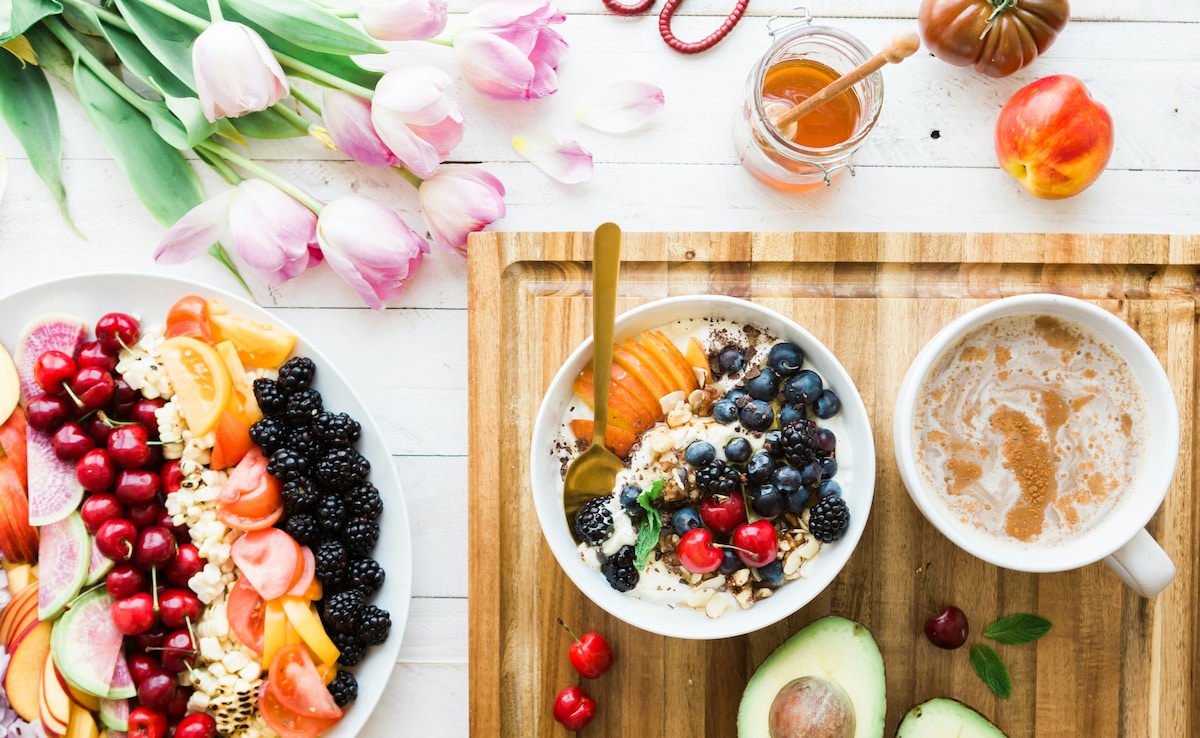
From the vibrant hues of blueberries and strawberries to the tartness of cranberries and raspberries, berries are exceptional for liver health. Bursting with antioxidants, these fruits are adept at reducing oxidative stress and significantly lowering liver fat. Their compounds work tirelessly to mitigate inflammation and protect against cellular damage, crucial for a compromised liver. Furthermore, berries actively support liver repair mechanisms, enhance fat metabolism, and improve insulin sensitivity, offering a multi-faceted approach to nurturing liver wellness.
10. Extra Virgin Olive Oil: The Mediterranean Secret
Often considered the gold standard among healthy fats, extra virgin olive oil (EVOO) is a celebrated component of a liver-friendly diet. Its rich antioxidant profile effectively reduces liver inflammation and cellular damage, while simultaneously lowering fat buildup. EVOO also plays a critical role in improving insulin sensitivity, which is vital for managing fatty liver. The healthy monounsaturated fats present in this oil offer a protective shield to the liver, safeguarding it from further damage and promoting long-term hepatic health. Drizzle it generously over salads or use it for light cooking to harness its full benefits.
Embracing these 10 foods as part of a balanced diet can be a powerful step towards safeguarding and improving liver health, particularly for those grappling with fatty liver disease. While dietary changes are pivotal, a holistic approach involving regular physical activity and maintaining a healthy weight is equally essential for optimal liver function.
Disclaimer: This content provides general information and is not a substitute for professional medical advice. Always consult with a qualified healthcare provider or your physician for personalized guidance regarding your health condition.