8 Best Safaris In India To Start Planning For Summer: A Travel Guide
By NewsDose Team
Updated on January 28, 2026
5 min read
Key takeaways
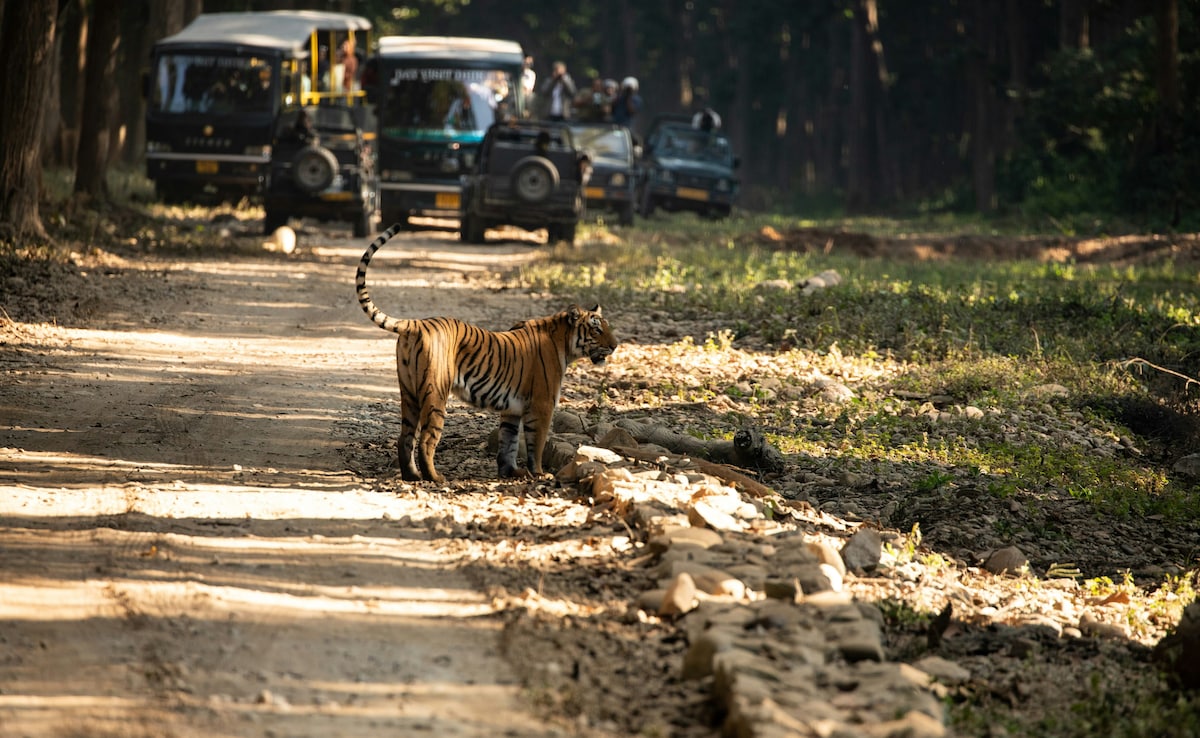
Summer safaris can offer some of the most intense and memorable wildlife encounters in India. Here's what you should know before planning your trip.
As winter's gentle embrace recedes and the sun reclaims its dominance, India's sprawling wilderness prepares for its most revealing spectacle: the summer wildlife safari season. From roughly March through June, while temperatures may climb, these months offer unparalleled opportunities for intrepid travelers to witness the raw, untamed beauty of nature. This period, often considered challenging for human visitors, becomes a prime time for animal sightings, particularly of the subcontinent's most magnificent predators and elusive creatures, as they congregate around vital water sources. The summer sun strips the dense foliage, enhancing visibility and laying bare the intricate lives unfolding within the country's diverse ecosystems, from the rich teak and sal forests of central India to the expansive grasslands and wetlands of the east.
The Unrivalled Advantage of Summer Safaris in India
The intensity of the Indian summer, characterized by heat, dust, and arid conditions, paradoxically transforms it into the peak season for wildlife observation. As water bodies dwindle deep within the forests, animals are compelled to venture out towards larger lakes, perennial rivers, and man-made waterholes, dramatically increasing the chances of encountering them. The parched vegetation offers less cover, allowing safari-goers a clearer, unobstructed view of wildlife that would otherwise remain hidden amidst lush greenery. Early mornings and late afternoons, when the jungle air slightly cools, often become periods of heightened activity, painting a vibrant canvas of life, tension, and survival in the wild.
Essential Planning for Your Summer Jungle Expedition
Given the popularity and unique conditions of the summer safari season, meticulous advance planning is not merely a recommendation but a necessity. Safari permits for most national parks and tiger reserves are strictly limited and highly sought after, with prime zones often selling out many weeks or even months in advance. Similarly, accommodation options near these protected areas, ranging from luxury resorts to eco-lodges, fill up rapidly, especially during school holidays and long weekends. Securing your bookings early not only guarantees access to your preferred safari zones and timings but also provides the flexibility to adjust your itinerary around potential weather fluctuations or park closures, some of which begin in late June with the onset of the monsoon rains. A well-planned trip ensures a seamless and profoundly rewarding wildlife experience.
Eight Iconic Wildlife Reserves to Explore This Summer
Embark on an unforgettable journey to some of India’s most celebrated wildlife destinations:
- 1. Ranthambore National Park, Rajasthan
Situated in Rajasthan's Sawai Madhopur district, Ranthambore is globally recognized as one of India's most iconic tiger reserves. Once the exclusive hunting grounds of the Maharajas of Jaipur, the park's landscape is a fascinating amalgamation of ancient ruins, serene lakes, and dry deciduous forests, providing a dramatic backdrop for wildlife sightings. Beyond its majestic Royal Bengal tigers, visitors frequently encounter leopards, sloth bears, striped hyenas, graceful sambar deer, and marsh crocodiles thriving near its significant water bodies. The park offers both jeep and canter safaris, which can be booked through the Rajasthan Forest Department's official online portal.
- How To Reach:
- By train: Sawai Madhopur railway station, approximately 10 km from the park, is the most convenient railhead.
- By air: Jaipur International Airport, located around 160 km away, serves as the closest major airport.
- 2. Jim Corbett National Park, Uttarakhand
Established in 1936, Jim Corbett National Park holds the distinction of being India's oldest national park, nestled in the picturesque foothills of the Himalayas. Its diverse terrain, encompassing sal forests, expansive grasslands, and fertile riverine belts, supports a rich biodiversity, including tigers, elephants, leopards, various deer species, and bears. Furthermore, the park is a paradise for ornithologists, boasting over 550 recorded bird species, making it a premier bird-watching destination. Safari bookings are processed via the Uttarakhand Forest Department website, with specific permits required for different zones.
- How To Reach:
- By train: Ramnagar railway station, about 12 km from the park, is the nearest rail connection.
- By air: Pantnagar Airport, approximately 80 km away, provides the closest air access.
- 3. Kaziranga National Park, Assam
A UNESCO World Heritage Site since 1985, Kaziranga National Park is globally acclaimed for its thriving population of the endangered one-horned rhinoceros. Its unique landscape of towering elephant grass, extensive wetlands, and dense forests also provides sanctuary to elephants, tigers, swamp deer, and an astonishing diversity of over 500 resident and migratory bird species. Jeep and elephant safari bookings are conducted through the Assam Forest Department's official website or authorized tour operators. Due to seasonal monsoon flooding, Kaziranga typically closes from May to October, making early summer visits highly recommended.
- How To Reach:
- By train: Furkating railway station is the nearest significant railhead.
- By air: Jorhat Airport, located around 97 km away, is the closest airport.
- 4. Kanha National Park, Madhya Pradesh
Nestled in the scenic Maikal hills, forming a crucial part of the larger Satpura-Maikal landscape, Kanha National Park is celebrated for its robust tiger population and its pivotal role in the successful conservation of the endangered barasingha (swamp deer). Its vast sal forests and open meadows are home to a myriad of wildlife, including leopards, dholes (Indian wild dogs), gaur (Indian bison), sloth bears, and an impressive count of over 300 bird species. Safari permits and detailed zone information are readily available through the Madhya Pradesh Forest Department portal.
- How To Reach:
- By train: Gondia railway station, approximately 145 km away, is the nearest major railhead.
- By air: Jabalpur (130 km) and Raipur (250 km) are the most accessible airports.
- 5. Bandhavgarh National Park, Madhya Pradesh
Bandhavgarh is renowned for possessing one of the highest tiger densities in India, making it an undisputed favorite among wildlife photographers and enthusiasts alike. The reserve's dramatic landscape of rocky hills, lush valleys, and verdant meadows also provides refuge to leopards, sloth bears, various deer species, and nearly 300 bird species. The park’s smaller size often translates to more frequent and intimate wildlife encounters. Morning and evening jeep safaris, exploring its different zones, can be conveniently booked via the Madhya Pradesh Forest Department website.
- How To Reach:
- By train: Umaria railway station, approximately 35 km from the park, is the nearest.
- By air: Jabalpur Airport, around 170 km from the park, offers the closest air connectivity.
- 6. Tadoba Andhari Tiger Reserve, Maharashtra
Maharashtra's oldest and largest tiger reserve, Tadoba Andhari, is particularly popular during the summer months due to consistent tiger sightings around its numerous water sources. Besides its magnificent tigers, the park is home to leopards, sloth bears, dholes, striped hyenas, and marsh crocodiles, along with approximately 250 bird species. The stark beauty of its dry deciduous forests in summer offers a unique safari experience. Safari permits are available for online booking through the Maharashtra Forest Department portal.
- How To Reach:
- By train: Chandrapur railway station, about 45 km away, is the nearest railhead.
- By air: Nagpur Airport, approximately 140 km away, serves as the closest major airport.
- 7. Gir National Park, Gujarat
Gir National Park holds a unique and critical place in global conservation efforts as the last remaining natural habitat of the Asiatic lion. Its distinctive dry deciduous forests and expansive grasslands also support a thriving population of leopards, hyenas, and several species of deer. Summer provides excellent visibility near water sources, offering superb opportunities to spot these regal predators. All safari bookings are exclusively managed through the Gujarat Forest Department's official website.
- How To Reach:
- By train: Junagadh railway station, about 65 km away, is the nearest.
- By air: Keshod Airport (38 km) and Diu Airport (100 km) are conveniently located nearby.
- 8. Pench National Park, Madhya Pradesh-Maharashtra
Straddling the borders of two states, Pench National Park is characterized by its enchanting sal forests, open grasslands, and gentle undulating hills, famously inspiring Rudyard Kipling's 'The Jungle Book'. Wildlife sightings here include tigers, leopards, wild dogs (dholes), sloth bears, barking deer, and the four-horned antelope. Its diverse landscape and rich biodiversity make it a truly immersive experience. Safari bookings are predominantly managed via the Madhya Pradesh Forest Department portal for the MP side.
- How To Reach:
- By air: Nagpur Airport, about 90 km away, is the most convenient option for air travel.
- By train: Nagpur Railway Station offers excellent rail connectivity to the region.
Essential Travel Tips for a Seamless Summer Jungle Safari
To ensure a safe, comfortable, and memorable summer safari, consider these invaluable tips:
- 1. Conduct Thorough Research: Every wildlife reserve possesses its unique terrain, dominant species, and safari dynamics. Some parks are renowned for frequent tiger sightings, while others excel for their avian diversity or large herbivores. Understanding the specific zone layouts, prevailing seasonal conditions, and historical sighting patterns will empower you to plan realistically and select parks that align perfectly with your interests and expectations.
- 2. Comprehend Booking Windows: Safari permits for the majority of national parks are released considerably in advance, and timing is absolutely crucial. For instance, in Madhya Pradesh, parks like Kanha, Bandhavgarh, and Pench typically open bookings approximately 120 days ahead. For the highly sought-after peak summer months between April and June, permits are often snapped up within minutes of release. Planning your travel dates well in advance and diligently tracking the booking windows can be the decisive factor in securing a prime safari slot rather than missing out entirely.
- 3. Dress Appropriately: Opt for neutral shades such as khaki, beige, olive, and forest green. These colors blend harmoniously into the forest environment and are less disruptive to wildlife. Lightweight, breathable fabrics with long sleeves are essential to protect against the harsh sun, dust, and insect bites. A wide-brimmed hat, high-SPF sunscreen, and sturdy, comfortable footwear are non-negotiable essentials for enduring prolonged hours in open safari vehicles.
- 4. Prepare for Extreme Heat: Summer temperatures in central Indian reserves like Tadoba and Kanha can frequently soar beyond 45 degrees Celsius. While afternoon safaris are often highly productive due to increased animal movement near water sources, they can be physically demanding. Staying exceptionally hydrated, consuming light meals before drives, and mentally preparing for intense heat are paramount to safely enjoying the experience. Carry electrolyte-rich drinks and cooling towels.
- 5. Always Follow Your Guide's Instructions: Forest guides and drivers are invaluable assets, possessing profound knowledge of animal behavior, intricate terrain, and stringent park regulations. Their instructions are absolutely vital for your safety, for ensuring ethical wildlife viewing practices, and for complying with forest laws. Trusting their expert judgment often leads to enhanced sightings and a smoother, more responsible safari adventure.
- 6. Maintain Absolute Silence: Wildlife is incredibly sensitive to sound, and even minor disturbances can cause animals to retreat. Keep conversations low, ensure mobile phones are silenced, and avoid sudden, jarring movements. This respectful approach significantly increases your chances of spotting animals and allows you to fully immerse yourself in the natural sounds and profound tranquility of the forest.
- 7. Carry Essential Items: Summer safaris necessitate thoughtful packing. Ensure you carry an ample supply of drinking water, quality sunglasses, any personal basic medications, and a reliable insect repellent. Binoculars are highly recommended to enhance distant viewing, while cameras should be used responsibly and always without flash, which can distress animals. Traveling light ensures maximum comfort during long, often bumpy, drives.
With the right preparation, a healthy dose of patience, and a deep respect for the environment, summer safaris in India offer some of the most intense, memorable, and profoundly rewarding wildlife encounters. It is during this season that the jungle, stripped bare by the unrelenting heat, graciously reveals its secrets and its magnificent inhabitants more freely than at any other time of the year, promising an experience that will stay with you long after you leave its hallowed grounds.