From family care to myths and risks: What TOI Diabetes Medithon aims to change
By NewsDose Team
Updated on January 25, 2026
5 min read
Key takeaways
Diabetes is no longer a rare condition in India. It lives in homes, offices, and neighbourhoods, going unnoticed for years. India is already known as .
India is grappling with an escalating health crisis, quietly yet pervasively infiltrating homes, workplaces, and communities nationwide. Once considered a condition primarily affecting certain demographics, diabetes has now cemented its presence as a widespread challenge, earning India the unfortunate title of the 'diabetes capital of the world'. Millions of citizens navigate the complexities of this chronic condition daily, often facing an uphill battle marked by late diagnoses, the relentless pressures of modern lifestyles, a significant rise in obesity rates, and a pronounced scarcity of timely, expert guidance. These factors collectively transform diabetes management from a manageable task into a formidable struggle, highlighting critical gaps in the nation's healthcare fabric.
Despite an impressive doctor-to-patient ratio of 1:834, which surpasses the World Health Organization's benchmark of 1:1000, equitable access to affordable and consistent care remains an elusive dream for a vast segment of the population. This stark disparity between readily available medical knowledge and its practical application at the patient level underscores a fundamental truth: robust public awareness is not merely supplementary but as vital as the medical treatments themselves in the fight against diabetes.
Bridging the Chasm: The Role of Expert-Led Health Initiatives
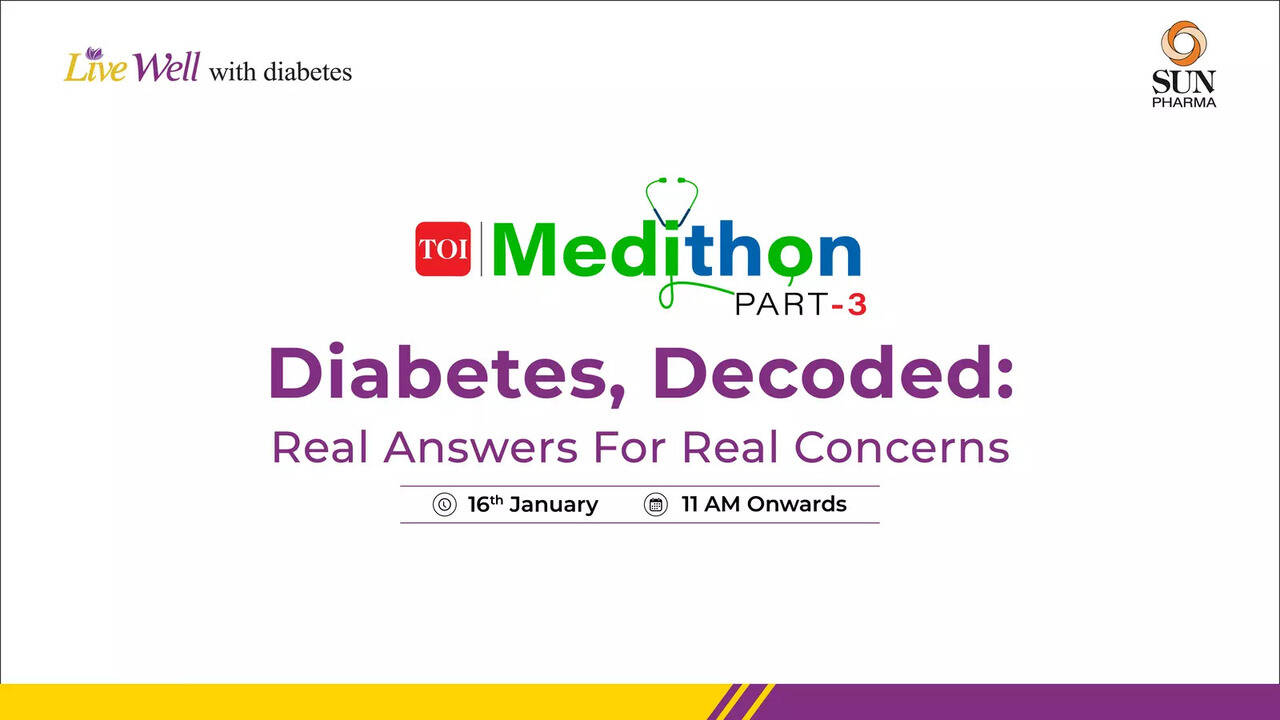
Recognizing this critical void, a pioneering health awareness initiative has stepped forward to bridge the knowledge-to-care gap. This platform is meticulously designed to infuse credible medical insights into everyday health discussions, transforming complex health topics into clear, actionable understanding for the general public. As part of this impactful campaign, the recently concluded 'Diabetes Medithon 3', held on January 16th, served as a pivotal forum. It aimed to cultivate informed dialogues centered on comprehensive diabetes care, proactive prevention strategies, and fostering long-term well-being.
The focus of this crucial event extended far beyond mere treatment protocols. It delved deep into understanding the profound human experience of living with a chronic condition, acknowledging the emotional, social, and psychological dimensions often overlooked. The Medithon brought together some of the nation's most respected endocrinologists, offering a rare opportunity for public engagement and education across several vital sessions.
The Human Element: Family and Caregivers in Diabetes Management
The inaugural session spotlighted a reality frequently understated: diabetes is seldom managed in isolation. Titled 'Role of Family or Caregiver in Managing Diabetes', this discussion highlighted the indispensable support network surrounding individuals with diabetes. The panel for this session included:
- Dr. Saket Kant, MD, DM Endocrinology, Senior Consultant Endocrinologist, Max Super Speciality Hospital, Delhi
- Dr. Arun Pandey, MD, DM Endocrinology, Chief Consultant & Head, Endocrinology, Diabetes & Metabolism, Health City Vistaar, Lucknow
These experts meticulously explored how emotional sustenance, the establishment of consistent daily routines, and a shared sense of responsibility significantly influence blood sugar control and the overall long-term outcomes for patients. In countless Indian households, critical aspects such as dietary choices, timely medication reminders, and crucial mental reassurance emanate from family members, elevating their role from secondary to utterly indispensable.
Beyond Medication: Diet, Exercise, and Mental Well-being
Another profound session, 'Role of Diet, Exercise & Mental Health in Managing Diabetes', addressed the most practical yet frequently misunderstood facets of diabetes care. This segment aimed to demystify these core components, providing clear, evidence-based guidance. The esteemed panel comprised:
- Dr. Ambrish Mithal, MD, DM Endocrinology, Padma Bhushan & Dr. B. C. Roy Awardee, Chairman & Head, Endocrinology & Diabetes, Group Chairman Max Healthcare (Pan Max), Delhi
- Dr. Sambit Das, MD, DM Endocrinology, Professor & Head, Endocrinology, KIMS Medical College & Superspeciality Hospital, Bhubaneswar
- Dr. Nitin Kapoor, MD, DM Endocrinology, Professor & Head, Endocrinology, Diabetes & Metabolism, CMC Vellore
The discussion transcended simplistic calorie charts and step counts, delving into the intricate interplay between chronic stress, sleep quality, ingrained food habits, and physical activity. It critically examined why mental health often emerges as the decisive factor in whether lifestyle recommendations translate into sustainable, real-life adherence and effective management. The experts stressed that managing diabetes is a holistic endeavor, requiring attention to both mind and body.
Dispelling Shadows: Confronting Myths in Diabetes Care
The third panel discussion, 'Myths in Diabetes Management', tackled one of the most significant impediments to effective diabetes care: misinformation. The pervasive spread of inaccurate beliefs can severely derail treatment plans and erode patient confidence. This vital session featured:
- Dr. Mathew John, MD, DM Endocrinology, Chief Endocrinologist, Providence Endocrine & Diabetes Specialty Centre, Trivandrum
- Dr. Vishnu Vasudevan, MD, DM Endocrinology, Consultant Endocrinologist, Jaza Lifecare Clinic & Moulana Hospital, Perinthalmanna, Kerala
- Dr. Parjeet Kaur, MD, DM Endocrinology, Associate Director, Endocrinology, Medanta – The Medicity, Gurugram, and Vice President, Endocrine Society of Delhi
From unwarranted fears surrounding insulin therapy to widespread confusion about artificial sweeteners and dietary restrictions, this panel meticulously unpacked and debunked beliefs that subtly but significantly undermine long-term glucose control. The overarching message was clear: accurate, clearly communicated information often represents the foundational first step towards achieving superior health outcomes and empowering patients.
Forecasting Health: Understanding Risks and Preventing Complications
The final, crucial session pivoted towards prevention through heightened awareness, emphasizing the adage that prevention is indeed better than cure. The distinguished panel included:
- Dr. M V Rama Mohan, MD, DM Endocrinology, Consultant Endocrinologist & Diabetologist, Diabetes and Endocrine Clinic, Nellore, and Executive Committee Member, Endocrine Society of India
- Dr. Lavanya Katakam, MD, DM Endocrinology, Consultant Endocrinologist, Aswini Endocrine and Orthopaedic Hospital, Guntur
- Dr. Haritha Galla, MD, DM Endocrinology, Consultant Endocrinologist, Harita Clinic, Anantapur
This enlightening discussion forged direct links between everyday risk factors and the potential onset of severe, long-term complications affecting vital organs such as the heart, kidneys, eyes, and nervous system. The experts reiterated that early awareness and proactive management are often the determining factors in whether diabetes remains a manageable condition or evolves into an overwhelming health burden over time. Understanding these risks empowers individuals to make informed choices that can significantly impact their future health trajectories.
The entire health awareness Medithon initiative is thoughtfully conceived as a collaborative space for profound learning, crucial self-reflection, and informed decision-making. By uniting leading endocrinologists on a single, accessible platform, the initiative endeavors to supplant widespread confusion with definitive clarity and replace unwarranted fear with profound understanding. In a nation where the shadow of diabetes touches nearly every family in some capacity, such insightful and expert-led conversations are not merely timely; they are an absolute necessity for fostering a healthier, more informed future.