"Family's Train Sandwiches: Are You Violating Travel Etiquette?"
By NewsDose Team
Updated on February 15, 2026
5 min read
Key takeaways
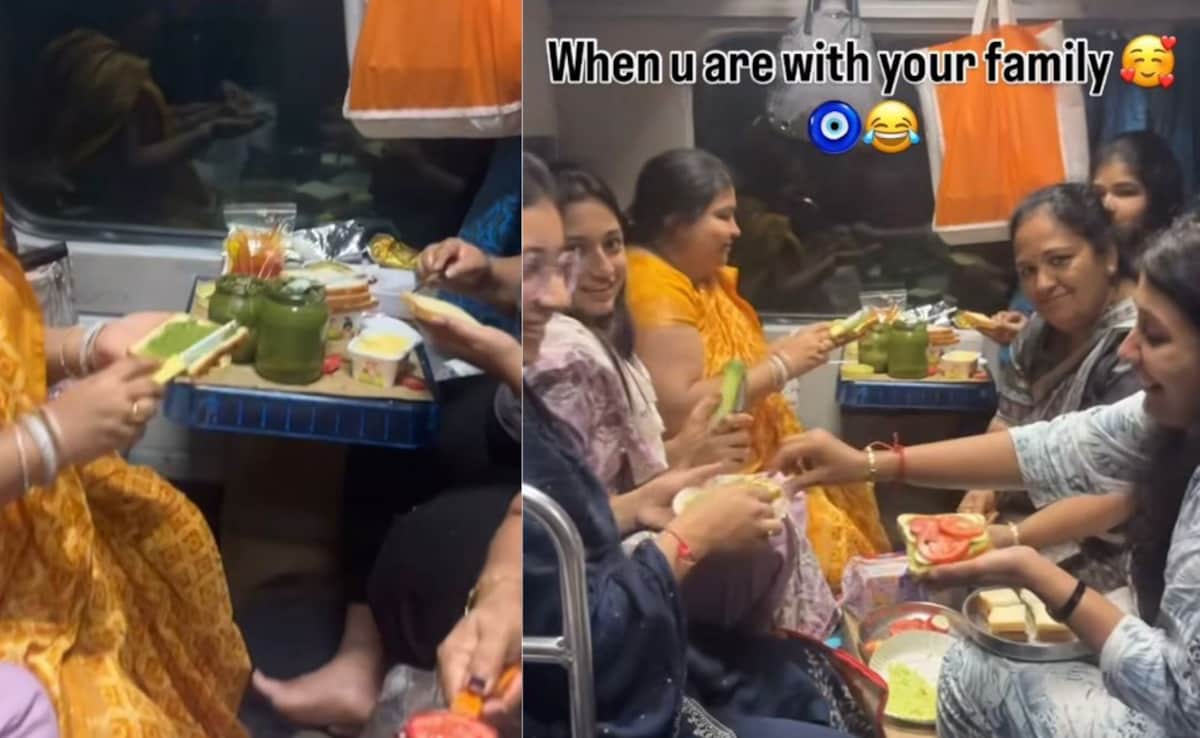
A family preparing homemade sandwiches inside a train has sparked a heated debate on civic sense. Here's why the viral video is dividing the internet.
Key Takeaways
- A video showing a family preparing an elaborate meal of vegetable sandwiches inside a train compartment went viral across social media platforms.
- The incident ignited a significant online debate, prompting discussions on appropriate travel etiquette and civic sense in shared public transport spaces.
- Many commentators criticized the family's actions, citing concerns over strong odors, potential mess, and disturbance to fellow passengers.
The Full Story
A recent viral video depicting a family preparing a full meal of vegetable sandwiches within a train compartment has sparked a widespread discussion on social media, bringing into sharp focus the nuances of travel etiquette and civic sense during train journeys. The footage, widely circulated, shows family members meticulously laying out slices of bread, spreading green pudina chutney, and adding generous portions of sliced tomatoes and cucumbers. Packets of sauces, jars of chutneys, and other ingredients were visibly arranged, creating an impromptu kitchen-like setup in the shared passenger space.
The family's hands-on approach to preparing their meal, while perhaps intended as a bonding exercise, quickly drew a barrage of criticism online. Comments poured in, with many questioning the appropriateness of such an activity in a public transport setting. The core of the debate revolved around whether such actions constitute a violation of unwritten rules of consideration for other passengers.
The Online Reaction: A Debate on Public Behavior
The online community's response was swift and largely critical. Many expressed dismay, arguing that the act lacked basic civic sense. One common sentiment, widely echoed, was:
This is a train, not a picnic spot! Do this when you're travelling in 1st AC; otherwise, you're disturbing others.
Critics highlighted the potential for strong food odors, particularly from ingredients like onions or specific chutneys, to permeate the enclosed air-conditioned compartments, causing discomfort to fellow passengers. The issue of mess and hygiene in shared spaces also surfaced repeatedly. Another comment captured the essence of the frustration:
These types of passengers are a headache and too irritating for other co-passengers. If you cut onions or other strong-smelling things, what about the other passengers? Why should others suffer just for your fun?
The incident resonated with many who felt that public transport demands a higher degree of mindfulness and respect for the collective experience. The expectation is that while personal comfort is important, it should not infringe upon the peace and comfort of others sharing the same journey.
Defining Travel Etiquette on Trains
Travel etiquette on train journeys encompasses a range of behaviors designed to ensure a pleasant experience for all. This includes managing noise levels, maintaining cleanliness, respecting personal space, and avoiding activities that could cause discomfort or inconvenience to others. Elaborate meal preparation, especially with ingredients that produce strong aromas, often falls outside the bounds of acceptable public conduct. While light snacks are generally permissible, turning a train compartment into a makeshift kitchen is seen by many as overstepping boundaries, leading to an erosion of shared space quality.
Why This Matters
This incident serves as a crucial reminder of the importance of civic sense and consideration in shared public environments. As train journeys remain a primary mode of transport for millions, ensuring a respectful and comfortable experience for all passengers is paramount. The viral discussion underscores a broader societal expectation for individuals to be mindful of their surroundings and the impact of their actions on others, ultimately contributing to a more harmonious and enjoyable public sphere.
Frequently Asked Questions
- Is it permissible to prepare food like the family's train sandwiches on a train?
While light snacks are generally acceptable, elaborate meal preparation involving multiple ingredients and strong odors is often considered a breach of travel etiquette and can disturb fellow passengers.
- What constitutes good travel etiquette on train journeys?
Good travel etiquette involves being mindful of noise levels, maintaining cleanliness, respecting personal space, and avoiding activities that generate strong smells or create discomfort for other passengers.
- Why is extensive food preparation problematic on trains?
It can lead to strong, lingering smells, potential mess, and inconvenience other passengers, particularly in enclosed and air-conditioned compartments, disrupting the shared travel experience.