Family Makes Sandwiches Inside Train Compartment, Sparks Debate About Civic Sense
By NewsDose Team
Updated on February 15, 2026
5 min read
Key takeaways
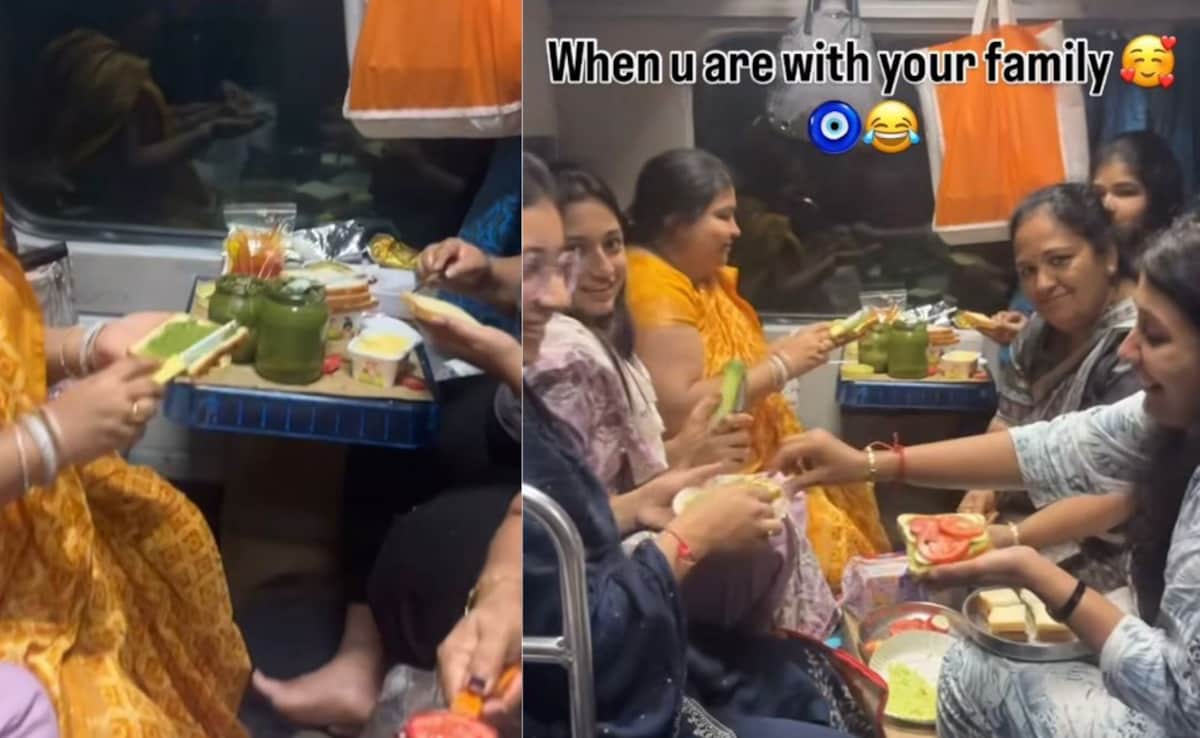
A family preparing homemade sandwiches inside a train has sparked a heated debate on civic sense. Here's why the viral video is dividing the internet.
Train journeys are an indelible part of the Indian experience, often characterized by bustling platforms, scenic routes, and the camaraderie of fellow passengers. For millions, these travels are not just a means of transport but a canvas for shared experiences. However, navigating these shared spaces gracefully requires a collective commitment to civic sense and mutual respect. Recently, a video circulating widely on social media platforms has ignited a fervent discussion precisely on this topic, highlighting the delicate balance between personal comfort and public decorum.
The footage, which rapidly gained viral traction across various online communities, captures a family engaged in an unconventional culinary activity within a train compartment. Far from merely consuming pre-packed meals, the video depicts them meticulously preparing vegetable sandwiches from scratch. Ingredients are laid out – slices of bread, vibrant green pudina chutney, freshly sliced tomatoes, and crisp cucumbers. Accompanying these are an assortment of packets of sauces and jars of chutneys, transforming a portion of their seating area into a makeshift kitchen counter. The family members are seen assembling the sandwiches with a focused dedication, reminiscent of home preparation, as if completely oblivious to their public surroundings. This 'family time' activity, as the original caption described it, quickly became the focal point of a widespread debate.
While the act itself might appear innocuous – a family enjoying a meal together – the context of a shared public transport space dramatically shifts perception. Public reaction to the video was swift and largely critical, with numerous individuals taking to comment sections to express their dismay. Many users underscored the importance of maintaining appropriate behaviour in shared environments, drawing a clear line between private and public conduct. "This is a train, not a picnic spot!" exclaimed one user, encapsulating the sentiment of many who felt the boundaries of acceptable behaviour had been crossed.
The crux of the debate revolved around the concept of 'civic sense' – the unwritten rules of conduct that govern how individuals interact within public spaces. Critics argued that such elaborate food preparation not only lacks consideration for co-passengers but could also lead to various inconveniences. Concerns ranged from potential hygiene issues, given the confined and often less-than-sterile environment of a train, to the more immediate impact of strong food odours. As one commenter articulated, "Please don't do this. Do this during your family picnic or family occasions. It smells a lot." Another specifically highlighted the discomfort this could cause in air-conditioned compartments: "This is the worst thing I've seen on trains... if you cut onions or other strong-smelling things, what about the other passengers? Why should others suffer just for your fun?"
The conversation also touched upon the broader implications of such actions for the overall travel experience. Shared spaces, whether a train compartment, a bus, or a public park, thrive on mutual respect. When individual actions infringe upon the comfort or peace of others, it erodes the collective sense of well-being. Several comments pointed out the potential disturbance to fellow passengers, categorizing such behaviour as "a headache and too irritating for other co-passengers." The sentiment, "That's why people say Indians don't have civic sense," though harsh, reflected a deeper frustration among some regarding perceived lapses in public etiquette.
This incident serves as a poignant reminder of the evolving dynamics of public spaces and the ever-present need for empathy and consideration. As transportation networks continue to expand and accommodate an ever-increasing number of travelers, the responsibility to uphold standards of conduct falls on every individual. While the desire for comfort and homemade meals during long journeys is understandable, it must be balanced against the collective right to a pleasant and respectful travel experience. The viral video, therefore, is more than just a fleeting moment captured on camera; it is a catalyst for a crucial dialogue about how we co-exist and thrive in our shared public environments.
The incident prompts us to reflect on our own habits when we travel. Are we mindful of the space we occupy and the impact our actions have on those around us? Ensuring a harmonious journey for everyone often means making small compromises and prioritizing the collective good over individual convenience, especially when it comes to activities that might generate strong smells, mess, or noise in a shared, confined space. The debate underscores that true 'family time' can be enjoyed without imposing discomfort on others, even when away from home.