Is Apple Milkshake Bad For Digestion? Ayurveda Health Expert Explains The Truth
By NewsDose Team
Updated on January 28, 2026
5 min read
Key takeaways
Wondering if an apple or an apple milkshake is kinder to your gut? Experts explain how fibre, sugars, and nutrients differ to reveal the smarter choice for optimal digestive health.
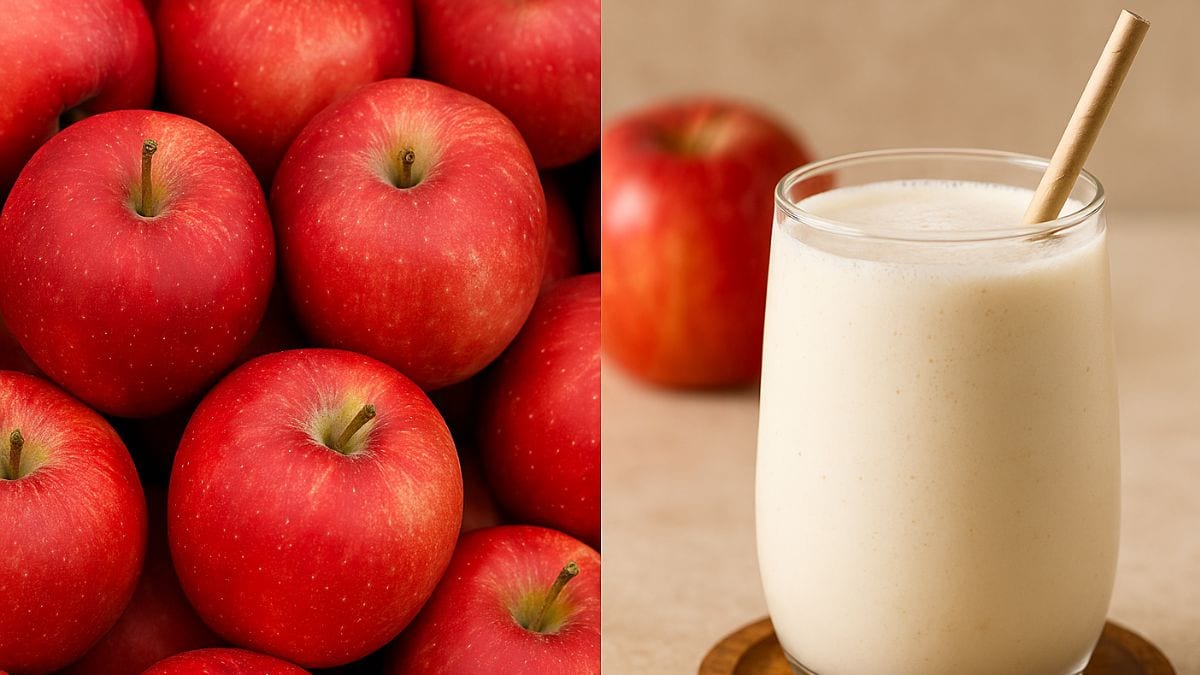
In the evolving landscape of health and wellness, ancient wisdom traditions like Ayurveda are gaining renewed attention for their holistic approach to diet and lifestyle. Often, the simplest dietary choices can hold profound implications for our overall well-being, particularly concerning gut health. Take, for instance, the common pairing of apples and milk – a combination frequently found in snacks and beverages like milkshakes. While seemingly innocuous, traditional Ayurvedic principles suggest this pairing might be less harmonious for digestion than many believe.
For centuries, Ayurveda has meticulously observed the intricate ways different foods interact within the body, either fostering digestive balance or, conversely, creating discord. Recent insights from prominent Ayurvedic health experts, such as Dimple Jangda, have brought this ancient perspective to the forefront, explaining why blending the crisp freshness of an apple with the creamy richness of milk could potentially disrupt the delicate digestive ecosystem. Understanding these principles can help individuals make more informed choices for their long-term health and vitality.
Unveiling Ayurveda's Digestive Framework: Rasa, Virya, Vipaka, and Guna
To truly grasp the Ayurvedic stance on food combinations, one must delve into its foundational concepts for evaluating food. These include Rasa (taste), Virya (potency or energy), Vipaka (post-digestive effect), and Guna (inherent qualities). Each of these factors plays a crucial role in how a food item is processed and assimilated by the body, ultimately influencing our digestive 'agni' or metabolic fire.
- Rasa refers to the initial taste perceived on the tongue, which Ayurveda recognizes as a primary indicator of a food's energetic properties.
- Virya describes whether a food generates heating or cooling energy within the body, impacting various physiological functions.
- Vipaka is the often-overlooked yet critical post-digestive effect. It's the residual taste and impact a food has after digestion, shaping metabolism and waste elimination.
- Guna encompasses the inherent characteristics of a food, such as its lightness or heaviness, oiliness or dryness, and its overall impact on the doshas (Vata, Pitta, Kapha).
According to Ayurvedic experts, an in-depth understanding of these four pillars is essential for recognizing why certain food pairings, despite their individual nutritional benefits, might create an internal conflict within our sophisticated digestive system.
The Conflicting Natures of Apple and Milk in Digestion
At first glance, both apples and milk are celebrated for their nutritional value. However, their inherent Ayurvedic properties are remarkably disparate, leading to digestive challenges when combined. An apple, while refreshing, is predominantly heating in its Virya and presents a sour and astringent Rasa. Its Guna is generally considered light, meaning it's designed for quick digestion.
Conversely, milk is revered in Ayurveda for its sweet Rasa and profoundly cooling Virya. Its Guna is notably heavy, attributing to its complex protein structure, which includes casein and lactase. These require a significantly longer and more intricate digestive process, primarily in the stomach and intestines. This fundamental difference in digestive speed and energetic quality sets the stage for potential imbalance.
When milk enters the stomach, it naturally curdles upon interaction with hydrochloric acid, forming a semi-solid mass that allows for the gradual breakdown of its proteins. This is a normal, healthy process. However, introducing the citric and malic acids from apples into this environment accelerates the curdling process in an unnatural and abrupt manner. Instead of a smooth, gradual breakdown, this hastened coagulation can lead to the formation of a dense, undigested residue. This residue becomes a burden on the digestive system, making it difficult for the body to efficiently process nutrients and eliminate waste.
The Gut's Response: A Mismatch in Digestive Timing
The core issue arises from the significant disparity in the digestion times of apples and milk. Apples, being light and rich in simple sugars, begin their fermentation process relatively quickly and move through the stomach into the small intestine at a rapid pace. Milk, on the other hand, a heavy and protein-rich food, demands considerably more time to be adequately broken down in the stomach. This fundamental mismatch in digestive timing creates a challenging environment within the gut.
When these foods are consumed together, the simple sugars from the apple begin to ferment while the milk is still undergoing its much slower digestion in the stomach. This premature fermentation can lead to a cascade of uncomfortable symptoms, including increased bloating, gas, and flatulence. Over time, consistent consumption of such incompatible combinations can significantly dampen the digestive 'agni' (metabolic fire), leading to chronic sluggish digestion and delayed gastric emptying. Ayurvedic principles suggest that this digestive stagnation may also contribute to an increase in mucus formation, potentially manifesting as issues like coughs, colds, sinus congestion, and even various skin reactions.
While some individuals might not experience immediate discomfort after enjoying an apple milkshake, the subtle, cumulative effects can manifest over the long term. A suppressed digestive fire can compromise overall nutrient absorption and detoxification processes, paving the way for systemic imbalances.
The Ayurvedic Solution: Embracing Separate Consumption for Optimal Health
From an Ayurvedic standpoint, the solution is remarkably simple and deeply rooted in the principle of digestive harmony: consume apples and milk separately. This approach allows each food to be digested optimally according to its unique properties, maximizing its individual health benefits without creating internal conflict.
- An apple, when eaten alone, provides a wealth of dietary fiber, natural sugars, and its inherent heating quality gently stimulates digestive processes. It acts as a natural cleanser and energizer.
- Milk, consumed independently, offers profound nourishment, healthy fats, and proteins, while its cooling properties soothe the system. It's considered a complete food for building tissues and promoting tranquility.
By consuming these foods at different times, the body's digestive system can process each component efficiently, avoiding the fermentation and stagnation that can occur when they are combined. This thoughtful separation ensures smoother digestion, enhanced nutrient assimilation, and contributes significantly to robust gut health and metabolic efficiency.
Cultivating Long-Term Wellness Through Conscious Food Choices
The wisdom of Ayurveda consistently emphasizes that true wellness extends beyond merely consuming nutritious foods; it profoundly involves how these foods are combined and consumed. The seemingly minor choice of separating apples from milk is a powerful example of how simple, conscious dietary adjustments can profoundly support long-term digestive vitality and overall health.
In a world increasingly focused on quick fixes, Ayurveda gently reminds us of the timeless truth that harmony in food combinations is as vital as the food itself. By honoring the inherent qualities of what we eat and respecting our body's intricate digestive processes, we empower ourselves to cultivate a state of sustained well-being, free from unnecessary digestive discomforts and rooted in ancient, proven wisdom.


