"Usman Tariq: T20 World Cup Action Baffles Batters, Sparks Debate"
By NewsDose Team
Updated on February 15, 2026
5 min read
Key takeaways
The 28-year-old offspinner's unconventional bowling action has already mesmerized some of the big names in shortest format of the game and has seen him taking three wickets against an inexperienced United States.
Key Takeaways
- Usman Tariq's distinctive bowling action, featuring a momentary pause, has generated considerable controversy and demonstrably baffled batters during the T20 World Cup.
- Despite being reported twice for a suspect action, the 28-year-old off-spinner from Pakistan has been officially cleared by cricketing authorities following rigorous testing.
- Tariq has proven his effectiveness on the field, securing three wickets against the United States in his T20 World Cup debut and achieving a hat-trick in a tri-series match against Zimbabwe.
The Full Story
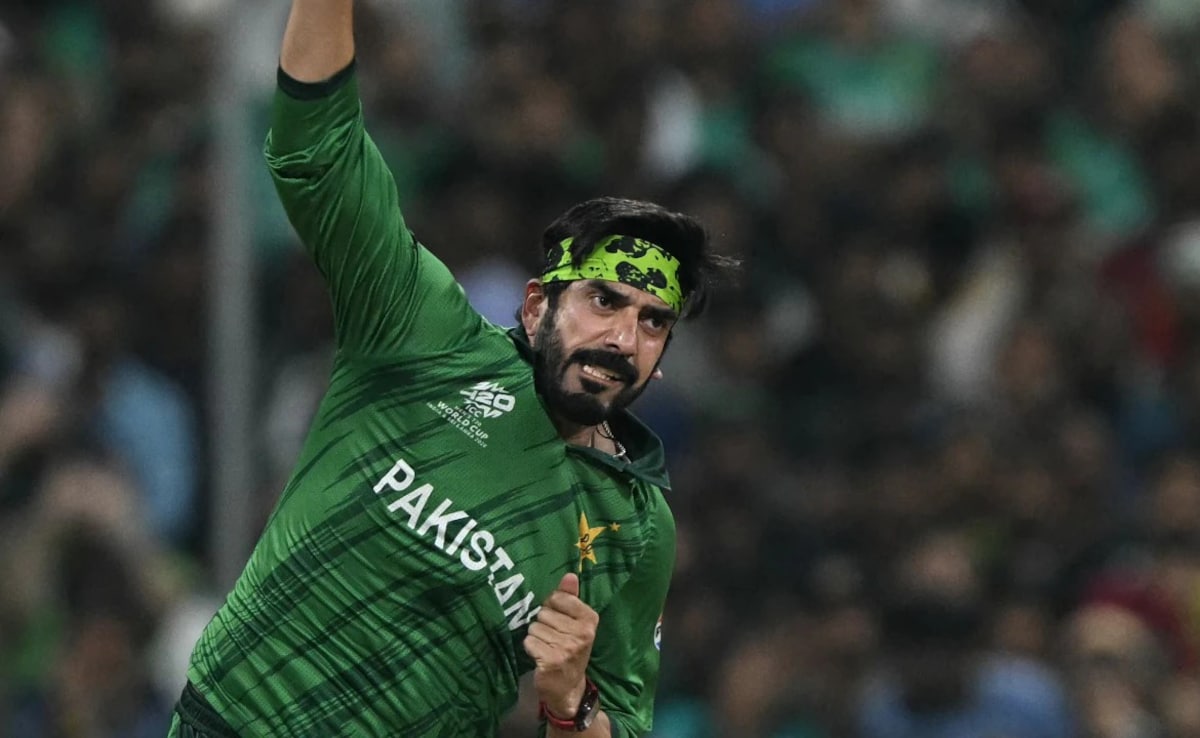
Pakistan's enigmatic spinner, Usman Tariq, has ignited a significant debate with his unique bowling action at the ongoing T20 World Cup. The 28-year-old off-spinner's unconventional delivery, characterized by a momentary pause before releasing the ball, has demonstrably baffled batters, raising widespread questions about its legality and profound impact on the game. His distinctive style has certainly placed him under the spotlight, generating both awe and criticism across the cricketing world.
Tariq's bowling action, often described as a "pause-and-sling" technique, involves a momentary halt in his delivery stride, creating a statue-like pose at the crease. This unusual rhythm has proven highly disruptive, affecting opposing batters' concentration and timing. The debate surrounding his action intensified when critics likened his mid-delivery pause to an illegal stop in a soccer penalty run-up, a comparison notably made by former Indian cricketer Shreevats Goswami.
The legality of Tariq's action has been scrutinized, drawing comparisons to the long-standing "15-degree debate" regarding the permissible elbow flex limit set by the ICC. While challenging for on-field umpires to assess accurately in real-time, Tariq himself has addressed the concerns. He stated,
"I have two elbows in my arm. My arm bends naturally. I have got this tested and cleared. Everyone feels I bend my arm and all that. My bent arm is a biological issue."This personal explanation underscores the complexity of his unique biomechanics.
Cleared Despite Controversy
Despite the persistent questions and being reported twice for a suspect bowling action during Pakistan's premier domestic T20 tournament, the Pakistan Super League, Usman Tariq has consistently been cleared. On both occasions, thorough testing at the National Cricket Academy in Lahore confirmed the legality of his delivery. His inclusion in Pakistan's 15-man T20 World Cup squad was a testament to his cleared status and the selectors' confidence in his ability, especially given the anticipated suitability of Sri Lankan pitches for slow bowlers.
Flummoxing Elite Batters
Tariq's effectiveness is undeniable, with several prominent batters confessing to being perplexed by his delivery. Australian batter Cameron Green and South African power-hitter Dewald Brevis are among those left bewildered. Brevis notably fell to Tariq's second ball in T20 international cricket in November. Green, after slicing a wide delivery straight to a fielder during Pakistan's 3-0 sweep of Australia in Lahore, shook his head in disbelief and momentarily mimicked Tariq's action near the boundary line, though he later apologized for the gesture. This demonstrates the profound impact Tariq's action has on even experienced players.
Impressive On-Field Performances
The 28-year-old off-spinner's rise in T20 cricket is backed by strong performances. In his debut T20 World Cup game against an inexperienced United States in Sri Lanka, Tariq secured an impressive three wickets. His record also includes a remarkable hat-trick achieved at Rawalpindi, where he took 4-18 against Zimbabwe during a tri-series in November. Overall, he has claimed 11 wickets from just 88 balls in only four T20 internationals. Beyond national duties, Tariq also made a significant impact in the Caribbean Premier League, finishing as the second-highest wicket-taker for champions Trinbago Knight Riders, further solidifying his reputation as a deceptive and highly effective bowler.
Former Pakistan captain Sarfaraz Ahmed, who played alongside Tariq in the PSL, offered insight into the challenge he poses:
"The batters are struggling to read Tariq because of the long pause the moment he steps on the bowling crease. The long pause disturbs all the concentration of batters and when he bowls a fastish, or even a slow ball, it leaves the batters clueless."Tariq himself harbored a strong desire to play against arch-rivals India, expressing a dream to single-handedly win the game for Pakistan, a scenario that could unfold if Pakistan opts for a spin-heavy attack.
Why This Matters
The ongoing debate surrounding Usman Tariq's unique bowling action transcends individual performance, impacting the broader spirit of cricket and the balance between innovation and fair play. It highlights the persistent challenges in officiating unconventional bowling styles within established rules, pushing the boundaries of what is considered legal. This situation could influence how young bowlers develop their techniques and how cricketing authorities adapt to novel approaches, potentially shaping future regulations and the very dynamics of T20 cricket.
Frequently Asked Questions
- Q: What is controversial about Usman Tariq's bowling action?
A: His action features a distinct momentary pause in his delivery stride, which some critics argue is illegal and significantly disrupts batter concentration and timing. - Q: Has Usman Tariq's action been cleared by authorities?
A: Yes, despite being reported twice for a suspect action during domestic tournaments, he has been cleared on both occasions by Pakistani cricket authorities after extensive testing at the National Cricket Academy in Lahore. - Q: How has Usman Tariq performed in the T20 World Cup?
A: In his debut T20 World Cup match against the United States in Sri Lanka, Tariq notably took three wickets, immediately demonstrating his ability to baffle batters on the international stage.
You Might Also Like


More in Cricket
- "IPL 2026: BCCI Bans Rival Teams From Sharing Practice Pitches"
- BCCI Issues Strict Guidelines For All 10 Franchises Ahead Of IPL 2026
- "Laxman's 2001 Eden Epic: Why Mind Conquered Body for India"
- Why there’s always drama when it’s India vs Pakistan
- Sri Lanka Breaks Silence On ICC-Bangladesh T20 World Cup 2026 Row
