Sri Lanka Breaks Silence On ICC-Bangladesh T20 World Cup 2026 Row
By NewsDose Team
Updated on January 30, 2026
5 min read
Key takeaways
T20 World Cup 2026 kicks off on February 7, with the final set to be played on March 8.
The cricketing world has been gripped by a significant controversy surrounding the upcoming T20 World Cup 2026, culminating in a dramatic resolution from the International Cricket Council (ICC). After weeks of intense debate and speculation, the tournament's framework saw a major shift following a contentious request from Bangladesh and the subsequent fallout.
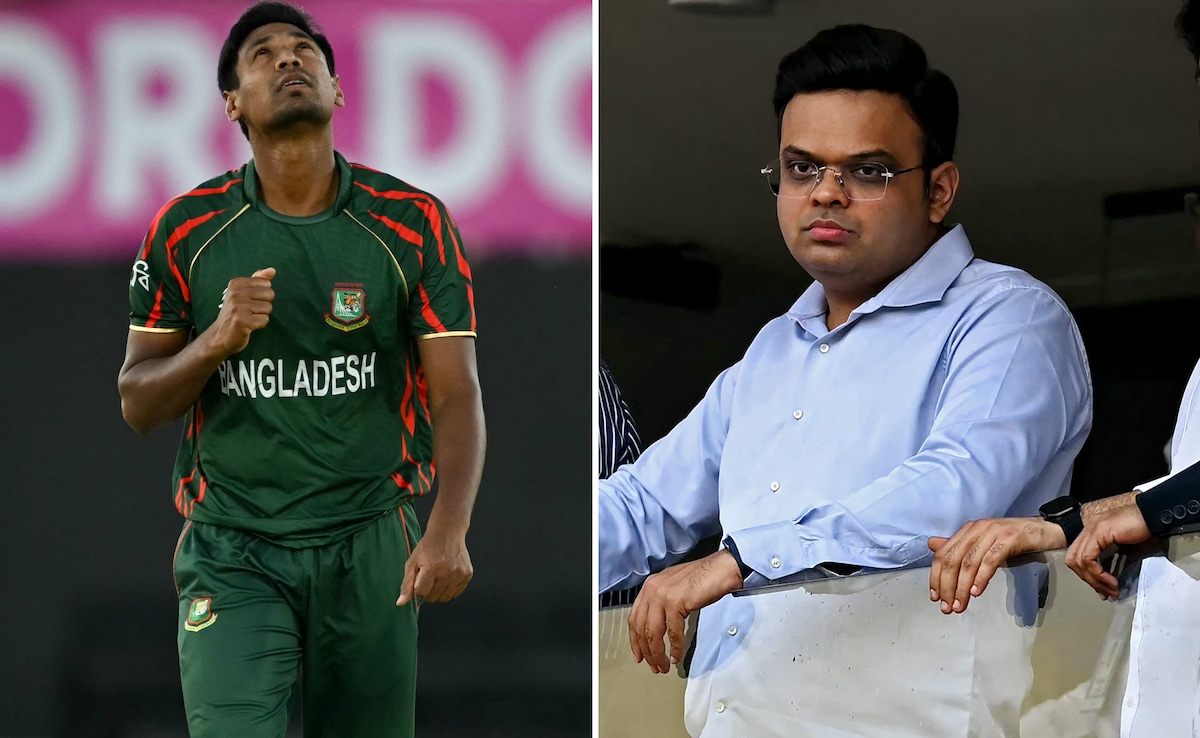
The dispute ignited when Bangladesh formally approached the ICC, requesting that their T20 World Cup 2026 matches be relocated from India. Citing pressing security concerns, particularly in the wake of player Mustafizur Rahman’s premature departure from the Indian Premier League, Bangladesh expressed strong reservations about playing their initial stage games slated for Kolkata and Mumbai. They proposed Sri Lanka as an alternative host nation for their fixtures.
However, the global cricketing body stood firm. The ICC meticulously reviewed Bangladesh's plea but ultimately rejected the request. Following this decision, the ICC issued a stringent 24-hour ultimatum to the Bangladesh cricket board, demanding a final commitment to participate under the stipulated conditions. When Bangladesh maintained its unyielding stance, the ICC acted decisively, eliminating the side from the tournament. In a swift move, Scotland, recognized as the highest-ranked nation among those who had failed to qualify, was brought in as their replacement, sending ripples across the international cricketing landscape.
This dramatic turn of events has not only redefined the tournament's composition but has also stirred broader regional tensions. Reports from various sources suggest that Pakistan is closely monitoring the situation, with speculation mounting about a potential boycott of the event in solidarity with Bangladesh. Another possibility being discussed is Pakistan's refusal to play their highly anticipated matches against India, adding another layer of complexity to an already volatile scenario.
Amidst this swirling controversy, Sri Lanka, serving as a co-host for the T20 World Cup 2026 alongside India, maintained a conspicuous silence for an extended period. This reticence drew considerable attention, given their pivotal role in the tournament's organization. The island nation has now finally broken its silence, offering a clear stance on the contentious issue.
Cricket Secretary Bandula Dissanayake publicly articulated Colombo's position, stating its clear intention to avoid entanglement in the regional cricketing disputes. "In these disputes among India, Pakistan, and Bangladesh, we are remaining neutral; all of these are friendly nations," Dissanayake informed a leading news agency. This declaration underscores Sri Lanka's commitment to fostering amicable relations across the subcontinent while prioritizing the smooth execution of the global event.
Significantly, the official also conveyed Sri Lanka's readiness to extend its hospitality further, adding that the country would be "willing to host future tournaments for any of the countries if asked." This open invitation highlights Sri Lanka's growing capacity and ambition to be a central hub for international cricket, offering neutral venues in an increasingly complex geopolitical environment.
The issue of neutrality is particularly pertinent given the long-standing political tensions between India and Pakistan, which have resulted in their bilateral cricketing encounters being held exclusively at neutral venues. Reflecting this arrangement, Pakistan is scheduled to play all its T20 World Cup 2026 games in Sri Lanka, including the much-anticipated clash against arch-rivals India. This arrangement further emphasizes Sri Lanka's critical role in ensuring that marquee matches can proceed without political interference.
Addressing the preparations, Sports Minister Sunil Kumara Gamage reiterated Sri Lanka's unwavering dedication to the tournament's success. He conveyed to a news agency that the nation has accorded "the highest priority" to ensuring the smooth operation of the T20 World Cup. He specifically mentioned that special attention is being devoted to the logistical and security aspects of the India-Pakistan matches, recognizing their high-stakes nature and immense global interest.
The T20 World Cup 2026 is set to commence on February 7, with the grand final scheduled for March 8. As the countdown to the prestigious event continues, Sri Lanka's principled neutrality and commitment to flawless execution will be under the global spotlight, aiming to deliver a memorable cricketing spectacle amidst regional challenges.
You Might Also Like

More in Cricket
- "IPL 2026: BCCI Bans Rival Teams From Sharing Practice Pitches"
- BCCI Issues Strict Guidelines For All 10 Franchises Ahead Of IPL 2026
- "Laxman's 2001 Eden Epic: Why Mind Conquered Body for India"
- Why there’s always drama when it’s India vs Pakistan
- "Usman Tariq: T20 World Cup Action Baffles Batters, Sparks Debate"
