Sri Lanka Breaks Silence On ICC-Bangladesh T20 World Cup 2026 Row
By NewsDose Team
Updated on January 30, 2026
5 min read
Key takeaways
T20 World Cup 2026 kicks off on February 7, with the final set to be played on March 8.
The cricketing world has been abuzz with controversy surrounding the lead-up to the ICC T20 World Cup 2026, scheduled to ignite pitches from February 7th, culminating in the grand final on March 8th. Amidst a turbulent dispute involving Bangladesh and the sport's global governing body, a significant development has emerged: Sri Lanka, a co-host of the prestigious tournament, has finally broken its prolonged silence, offering a clear stance on the contentious issues at play.
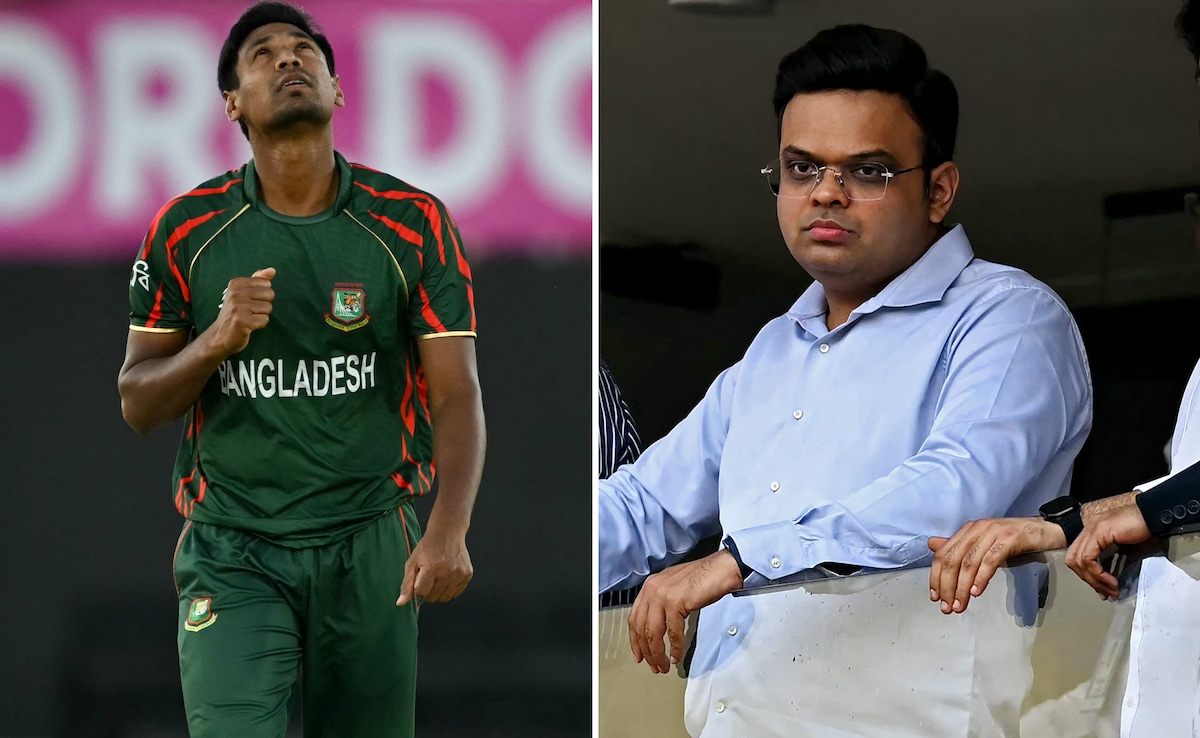
The heart of the dispute originated over three weeks prior, when Bangladesh formally appealed to the International Cricket Council (ICC) to relocate their T20 World Cup 2026 matches from India. Their initial schedule included four critical games in the cities of Kolkata and Mumbai. Citing heightened security concerns, a contention that reportedly gained traction following Mustafizur Rahman's unexpected withdrawal from the Indian Premier League, Bangladesh proposed that their matches be moved to Sri Lanka instead.
However, this significant request faced a resolute rejection from the ICC. The apex cricket organization, while acknowledging Bangladesh's concerns, issued a firm 24-hour ultimatum for the nation to reconsider its position. With Bangladesh steadfastly adhering to its original stance, the ICC proceeded to remove them from the tournament roster, swiftly replacing them with Scotland, a nation that had demonstrated strong performance and stood as the highest-ranked among those that initially failed to qualify.
The ramifications of this decision have rippled further, sparking speculation about other cricketing powerhouses. Unconfirmed reports have begun to circulate, suggesting that Pakistan might contemplate boycotting the event in a gesture of solidarity with Bangladesh, or at the very least, opt out of playing their highly anticipated matches against India. This potential domino effect has cast a shadow of uncertainty over the tournament's integrity and scheduling.
Throughout this escalating drama, Sri Lanka, as a pivotal co-host alongside India, maintained a conspicuous silence. This reticence drew considerable attention and scrutiny from observers and participating nations alike, eager to understand the island nation's position. Now, that silence has been unequivocally broken.
Bandula Dissanayake, the esteemed Cricket Secretary, conveyed to a leading news agency that Colombo's primary objective was to meticulously avoid entanglement in the regional cricketing and political disputes. "In these ongoing disagreements among nations like India, Pakistan, and Bangladesh, we are resolutely maintaining a position of neutrality," Dissanayake affirmed. "All of these countries are friendly nations to us, and our focus remains on the broader spirit of the game."
Furthermore, Dissanayake extended an olive branch, adding a crucial detail: Sri Lanka stands ready and willing to host future tournaments or series for any of these nations, should such a request be formally put forward. This statement underscores Sri Lanka's commitment to fostering cricketing relations and its capability as a reliable host.
It is particularly noteworthy that due to persistent deteriorating political tensions, Pakistan and India have, for some time, played their bilateral and multi-national tournament matches exclusively at neutral venues. Consequently, as part of the T20 World Cup 2026 arrangements, Pakistan is slated to play its games in Sri Lanka, a schedule that critically includes their marquee encounter against arch-rivals India, promising an electrifying atmosphere on Sri Lankan soil.
Reinforcing the nation's dedication to the tournament's success, Sunil Kumara Gamage, the country's sports minister, conveyed to the news agency that ensuring the smooth operation of the T20 World Cup 2026 is receiving the "highest priority." He further elaborated that particular emphasis is being placed on the meticulous planning and execution surrounding the high-profile India-Pakistan matches, recognizing their immense global viewership and strategic importance for the tournament's overall success and security.
With the stage set and the official positions now clearer, the focus shifts back to the thrilling cricket action itself, promising a captivating spectacle when the T20 World Cup 2026 commences in early February, culminating a month later in March.
You Might Also Like

More in Cricket
- "IPL 2026: BCCI Bans Rival Teams From Sharing Practice Pitches"
- BCCI Issues Strict Guidelines For All 10 Franchises Ahead Of IPL 2026
- "Laxman's 2001 Eden Epic: Why Mind Conquered Body for India"
- Why there’s always drama when it’s India vs Pakistan
- "Usman Tariq: T20 World Cup Action Baffles Batters, Sparks Debate"
