Gautam Gambhir, Suryakumar Yadav Asked Tough Shreyas Iyer Question: "What's The Logic?"
By NewsDose Team
Updated on January 30, 2026
5 min read
Key takeaways
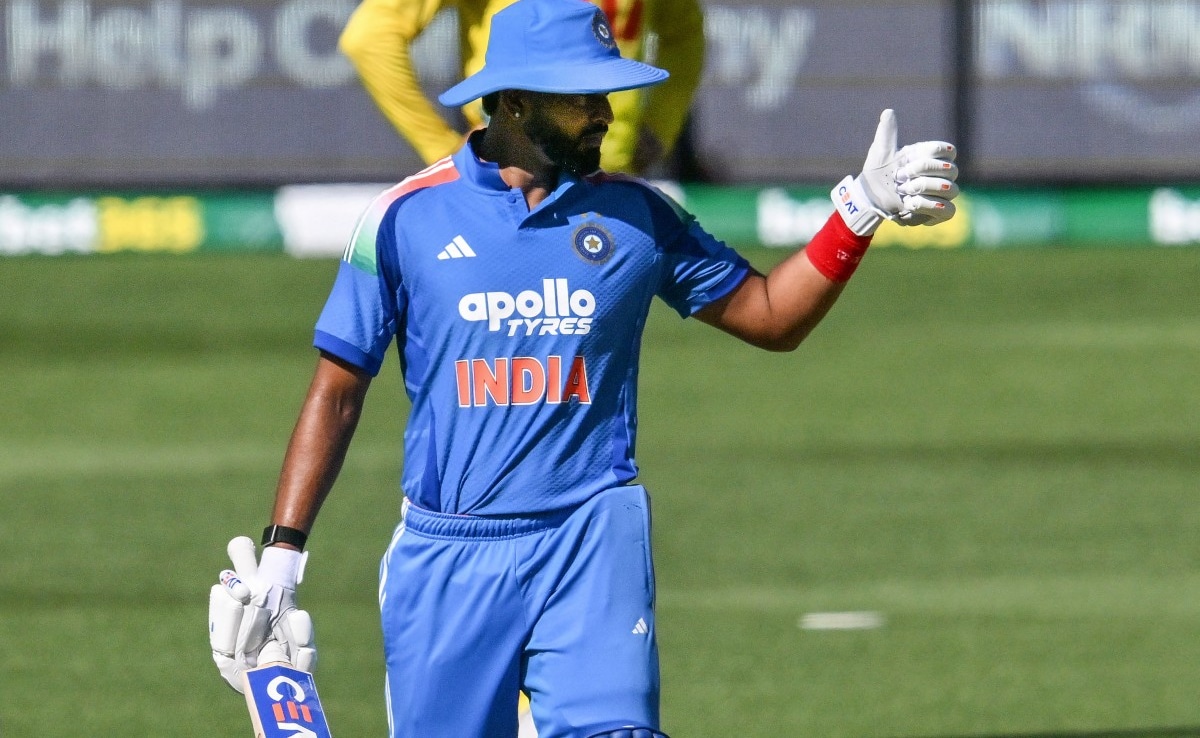
Shreyas Iyer remained on bench as India opted to play a bowler to replace batter Ishan Kishan in the playing XI vs New Zealand in the fourth T20I.
The cricketing fraternity was set abuzz with intense debate and widespread surprise following a controversial team selection by the Indian management during the fourth T20 International against New Zealand. With the series already in their grasp, the Men in Blue made headlines for an unconventional choice that left many scratching their heads and ignited a fierce discussion among fans and seasoned pundits alike.
The catalyst for this strategic quandary was the unfortunate sidelining of dynamic opener Ishan Kishan, who missed the crucial encounter in Visakhapatnam due to a niggle. Naturally, the immediate expectation was for the experienced middle-order batter, Shreyas Iyer, to seamlessly step into the playing XI. Iyer, known for his ability to anchor an innings and accelerate when required, appeared to be the logical and most straightforward replacement.
However, Captain Suryakumar Yadav and Coach Gautam Gambhir had a different plan in mind. Breaking from conventional wisdom, the team opted to bring in an additional bowler, Arshdeep Singh, effectively choosing to go one batter short in a high-stakes T20 international. This decision, seemingly aimed at bolstering the bowling attack on what promised to be a batting-friendly surface, raised significant eyebrows and drew immediate criticism for potentially exposing the team's lower-middle order.
Veteran cricketer and astute analyst Aakash Chopra was among the most vocal critics, openly challenging the rationale behind benching Iyer under such circumstances. In a detailed video analysis shared on his popular YouTube channel, Chopra articulated his dismay with powerful rhetoric. He questioned the very presence of Iyer in the squad if the intention was not to play him when an opportunity arose. "My biggest point is, why have you kept Shreyas Iyer in the team? When Tilak Varma got injured, I was the one who said Shreyas shouldn't be played because his name is not in the World Cup squad. However, when Ishan Kishan got injured, you had no other batter sitting outside," Chopra stated emphatically, highlighting the perceived inconsistency in selection philosophy.
He further pressed his point, emphasizing the tactical oversight: "Shreyas wasn't in the initial plans, but we cannot play with six batters and five proper bowlers, with Harshit Rana at No. 7. I dare say, what's the logic of making Shreyas Iyer sit out now? If you didn't want to play him, you could have kept Ayush Badoni or Shahbaz Ahmed. I can take four other names you could have kept." Chopra's strong remarks underscored a widespread sentiment that Iyer's exclusion was an unforced error, potentially compromising the team's vital balance.
The strategic gamble ultimately did not yield the desired results for the Men in Blue. New Zealand, despite having already conceded the series, displayed a remarkable resurgence, comprehensively outplaying India. Batting first after being invited to by India, the Black Caps posted a formidable total of 215 for seven. Their innings was powered by scintillating starts from Tim Seifert, who blazed 62 runs off just 36 balls, and Devon Conway, who contributed a rapid 44 off 23 deliveries, forging a blistering 100-run partnership in a mere 8.2 overs. While Indian bowlers, with Arshdeep Singh and Kuldeep Yadav claiming two wickets each, managed to pull things back somewhat in the latter half, a crucial late surge from Daryl Mitchell, who smashed 39 off just 18 balls, ensured a daunting target was set for the home side.
In response, India's chase began disastrously, losing opener Abhishek Sharma on the very first ball. Despite a valiant and explosive effort from Shivam Dube, who almost single-handedly kept India's hopes alive with a breathtaking 65 runs off just 23 deliveries, featuring three fours and seven towering sixes, the lack of depth in the batting lineup proved decisively costly. The relentless pressure mounted, and wickets fell at regular intervals as New Zealand's bowlers maintained a tight grip, eventually bowling India out for 165. The 50-run defeat served as a stark reminder of the potential downsides of the contentious team selection, leading many to ponder if a seasoned batter like Shreyas Iyer could have provided the much-needed stability and impetus to navigate the challenging chase.
This particular team selection not only cost India the match but also sparked a broader national conversation about strategic flexibility, player utilization, and the delicate balance between specialist bowlers and dependable batters in the high-octane format of T20 cricket. As the team looks ahead to future assignments, the decisions made by the leadership regarding squad composition and playing XI will undoubtedly face heightened scrutiny, especially concerning how they manage their extensive pool of batting talent and integrate fringe players effectively. The Shreyas Iyer conundrum stands as a pivotal talking point, prompting deep reflections on strategic foresight in modern-day cricket.
You Might Also Like

More in Cricket
- "IPL 2026: BCCI Bans Rival Teams From Sharing Practice Pitches"
- BCCI Issues Strict Guidelines For All 10 Franchises Ahead Of IPL 2026
- "Laxman's 2001 Eden Epic: Why Mind Conquered Body for India"
- Why there’s always drama when it’s India vs Pakistan
- "Usman Tariq: T20 World Cup Action Baffles Batters, Sparks Debate"
