"He Showed The Way": Rahul Dravid Gives Stunning Verdict On 'Captain' Rohit Sharma
By NewsDose Team
Updated on January 28, 2026
5 min read
Key takeaways
Rahul Dravid found Rohit Sharma's openness to change a major positive while he was leading the team, noting that his job was made easier as the captain's message effortlessly filtered through the squad.
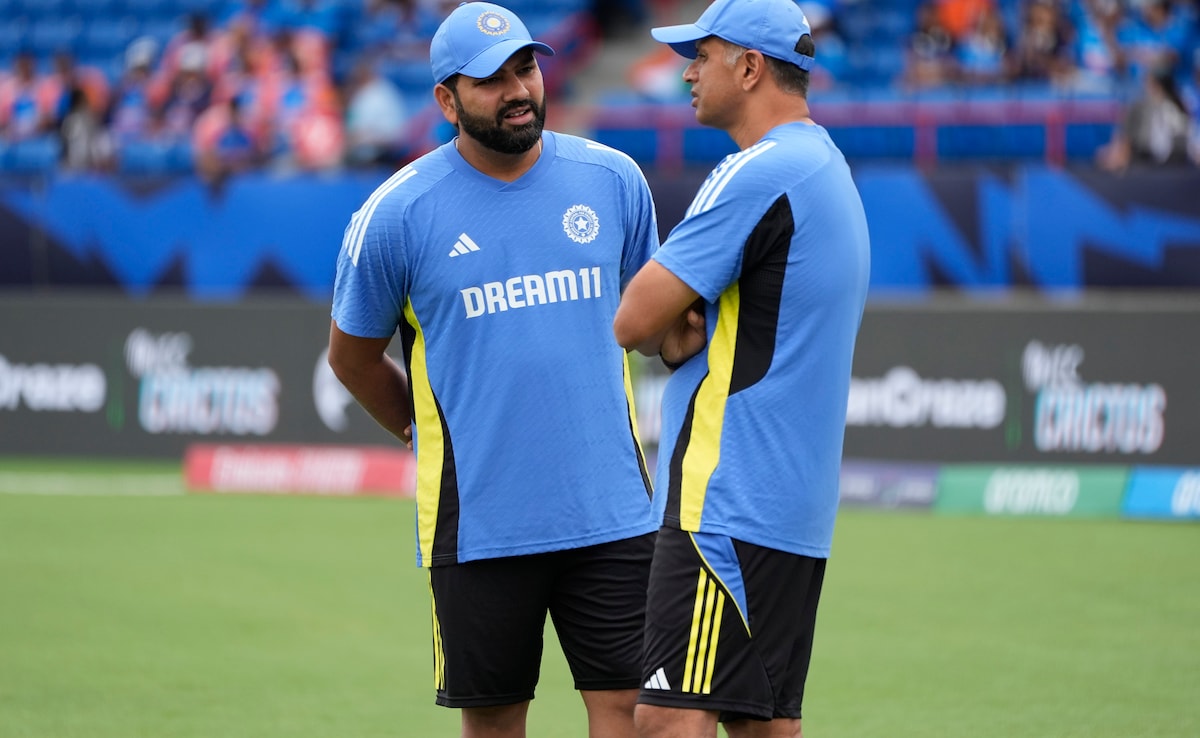
Former India head coach Rahul Dravid recently offered a glowing assessment of Rohit Sharma’s captaincy, highlighting the profound impact of his openness to embracing strategic evolution within the team. Dravid, who guided the national squad to a memorable 2024 T20 World Cup triumph under Rohit's leadership in the Americas, noted that the skipper's approach significantly streamlined his coaching responsibilities, ensuring that crucial messages resonated effortlessly throughout the entire squad.
Speaking at a prestigious event organized by the Karnataka State Cricket Association, the legendary cricketer emphasized Rohit’s unique ability to lead by example. "When your leader stands up and says, 'I'm the one who will do that at the cost of sometimes my so-called average and the runs that I may score', it's a lot easier to pass that message," Dravid articulated, underscoring the selfless nature of Rohit's leadership. He further added, with conviction, "The fact that he led the whole thing, you know, made your (coach's) job that much easier. He showed the way."
Dravid elaborated on Rohit's acute recognition of the evolving landscape of Indian white-ball cricket. He observed that Rohit, despite his formidable individual record, was quick to grasp the necessity for the team to adapt to modern demands. "I think the easy part in this thing was working with Rohit, someone who himself really had quite a dispute with him. He was also recognising that the game was changing," Dravid explained. This keen understanding allowed for seamless collaboration between the coach and captain in steering the team towards a more aggressive and dynamic brand of cricket.
The discussion delved into the radical shifts in white-ball batsmanship over the past decade, with Dravid acknowledging that India might have initially lagged in adopting these changes. "The nature of batsmanship in white-ball cricket over the last 10 years or so... everything had started to change. In some ways, there was a feeling that we were slightly behind and we needed to get better at that. We needed to push the envelope a little bit more. We needed to take a few more risks. Run rates were going up. All of these things were going up," he detailed. Rohit's enthusiastic embrace of these necessary strategic adjustments made crucial conversations remarkably straightforward. "It was then actually just very easy to have that conversation with him. I think, he was completely on board. He was someone who took the responsibility of setting the game forward," Dravid concluded, praising Rohit's proactive stance.
Beyond his captaincy, Dravid also lauded Rohit’s remarkable adaptability as a batsman. He pointed out Rohit's exceptional record, including five centuries in the 2019 World Cup, acknowledging his previous "phenomenal performances." However, Dravid stressed that even a player of Rohit's caliber recognized the need for a shift in tempo to align with contemporary white-ball strategies. This willingness to evolve his own game, even after achieving significant success, served as an inspiration for the entire squad.
The coaching philosophy itself was another cornerstone of Dravid's insights. He advocated for a constantly evolving approach, asserting that what is relevant today might swiftly become obsolete tomorrow. "So, one thing to learn as a coach is that you should never coach like you did yourself. I think the deal's changed a lot," Dravid advised, emphasizing the generational gap in playing styles and tactical demands. He illustrated this point with a poignant anecdote about the late Keki Tarapore, a revered coach who mentored cricketing greats like Dravid and Anil Kumble. Tarapore's insistence on keeping the ball on the ground would be antithetical to modern white-ball cricket, where aerial shots and aggressive hitting are paramount. "You just imagine, if I were to be coached by him now... and to keep the ball to the ground and not to hit it in the air... that's not going to work, right? So, I think you've got to change with the times. You've got to realise what's the need that we have," Dravid opined, underscoring the critical need for coaches to remain flexible, innovative, and attuned to the contemporary requirements of the game.
This comprehensive reflection from Rahul Dravid not only shines a light on the influential leadership of Rohit Sharma during a pivotal period for Indian cricket but also offers invaluable lessons on the dynamic nature of both captaincy and coaching in the ever-evolving world of professional sports.
You Might Also Like


More in Cricket
- "IPL 2026: BCCI Bans Rival Teams From Sharing Practice Pitches"
- BCCI Issues Strict Guidelines For All 10 Franchises Ahead Of IPL 2026
- "Laxman's 2001 Eden Epic: Why Mind Conquered Body for India"
- Why there’s always drama when it’s India vs Pakistan
- "Usman Tariq: T20 World Cup Action Baffles Batters, Sparks Debate"
