Pakistan Served Brutal Reality Check Over T20 World Cup Drama By Ajinkya Rahane: "Don't Have The Guts"
By NewsDose Team
Updated on January 30, 2026
5 min read
Key takeaways
The Pakistan Cricket Board (PCB) is set to clear its stance in the coming days, either this Friday or Monday.
The cricketing world was gripped by significant uncertainty and heightened drama earlier this year regarding Pakistan's participation in the highly anticipated T20 World Cup, which commenced on February 7th. Amidst a swirling vortex of speculation and political maneuvering within cricket administration, veteran Indian cricketer Ajinkya Rahane delivered a stark reality check to the Pakistan Cricket Board (PCB), questioning their resolve in the face of potential boycotts.
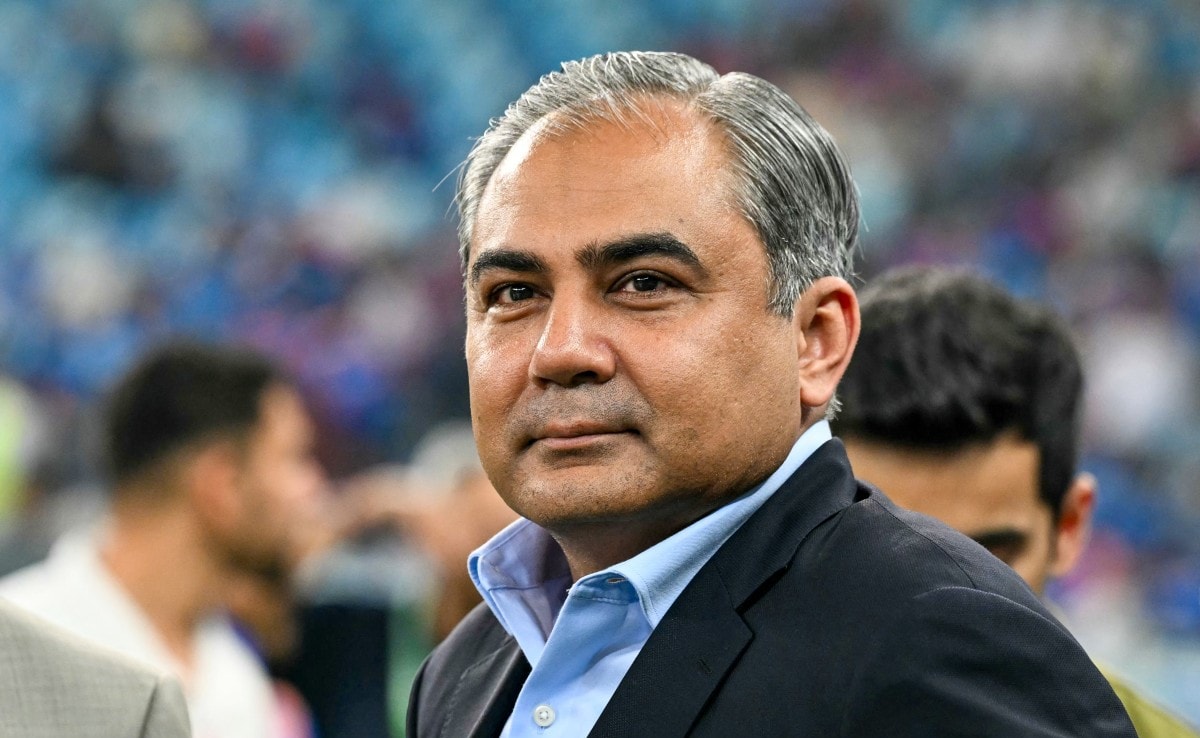
As the tournament drew near, the PCB found itself at the heart of an international controversy, with its chairman, Mohsin Naqvi, indicating that all options were on the table concerning their involvement. These discussions followed high-level meetings, including one with Pakistan Prime Minister Shehbaz Sharif, where the intricacies of the situation with the International Cricket Council (ICC) were deliberated. Mr. Naqvi had publicly stated that a final decision was expected within days, creating a palpable tension across cricketing nations.
Reports had intensified suggesting that while a complete withdrawal from the global showpiece event might be averted, Pakistan was contemplating boycotting their marquee clash against arch-rivals India, a fixture originally scheduled for February 15th in Colombo. This potential move threatened to cast a shadow over one of cricket's most anticipated rivalries, fueling debates about the intersection of sports and geopolitics.
However, Rahane, known for his composed demeanor on the field, showed no hesitation in dismissing these threats during a candid discussion. His unequivocal statement, asserting a perceived lack of courage on Pakistan's part, resonated widely. “I don't think they will do it. They don't have the guts,” Rahane remarked, directly challenging the seriousness of Pakistan's stance and suggesting that such a drastic action would ultimately not materialize.
The root of Pakistan's protest stemmed from a decision by the ICC to replace Bangladesh with Scotland in the tournament schedule. This particular move followed the Bangladesh Cricket Board's and its interim government's earlier refusal to play T20 World Cup matches scheduled in India, citing security concerns. Pakistan's grievance indicated a broader dissatisfaction with tournament logistics and participant changes, escalating into a major point of contention.
Despite the prevailing uncertainty surrounding their full participation, Pakistan had, at that time, announced its robust 15-member squad for the 20-team tournament. This roster, with only one alteration, mirrored the team that was simultaneously engaging in a T20I series against Australia, which served as Pakistan's final preparatory ground before the World Cup. The announcement of the squad highlighted the team’s readiness on the cricketing front, even as administrative decisions remained in flux.
The dramatic pre-tournament negotiations and public comments underscore the complex challenges often faced by international sports organizations. The period leading up to the T20 World Cup was marked by intense speculation and high-stakes diplomacy, with the global cricketing community keenly observing whether Pakistan would indeed receive the necessary governmental clearances to fully participate. Such controversies inevitably draw significant attention, sometimes overshadowing the pure cricketing action, but ultimately adding another layer to the rich tapestry of the sport's competitive and political landscape.
You Might Also Like

More in Cricket
- "IPL 2026: BCCI Bans Rival Teams From Sharing Practice Pitches"
- BCCI Issues Strict Guidelines For All 10 Franchises Ahead Of IPL 2026
- "Laxman's 2001 Eden Epic: Why Mind Conquered Body for India"
- Why there’s always drama when it’s India vs Pakistan
- "Usman Tariq: T20 World Cup Action Baffles Batters, Sparks Debate"
