Pakistan Greats Unite To Take Stand Against Mohsin Naqvi Over T20 World Cup Pull Out Threat
By NewsDose Team
Updated on January 30, 2026
5 min read
Key takeaways
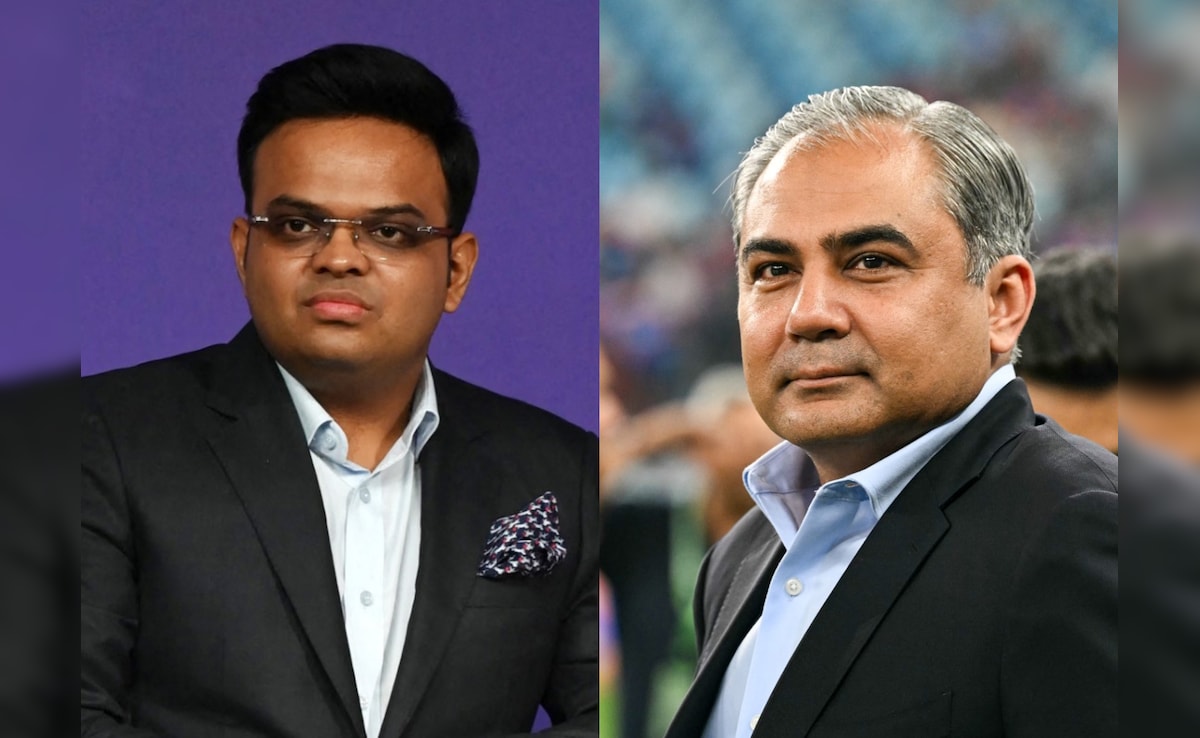
Pakistan's former players and veterans aren't happy seeing PCB chief Mohsin Naqvi putting the country's cricketing future at stake by talking about potential withdrawal from the T20 World Cup 2026.
The cricketing world is watching intently as Pakistan's participation in the upcoming T20 World Cup 2026 hangs in the balance, a situation primarily stemming from comments made by Pakistan Cricket Board (PCB) chief Mohsin Naqvi. His public statements hinting at a potential withdrawal from the prestigious global tournament have not only sparked widespread debate but have also drawn significant concern from the nation’s revered former players and seasoned officials, who are now uniting to advocate against such an extreme measure.
The controversy ignited when Naqvi, following a high-level meeting with Prime Minister Shehbaz Sharif, disclosed that Pakistan’s involvement in the T20 World Cup was currently 'on hold'. This drastic stance is reportedly in solidarity with Bangladesh, which has expressed discontent over the venue arrangements for the tournament as decided by the International Cricket Council (ICC). While expressing support for a fellow cricketing nation is often commendable, the prospect of sacrificing Pakistan’s presence on such a grand stage has raised alarm bells across the country's cricketing fraternity.
Veterans of Pakistan cricket have voiced strong reservations about the potential ramifications of such a decision. Former Pakistan Test captain, Muhammad Hafeez, was unequivocal in his assertion that the PCB must ensure the national team competes in the World Cup. His sentiments were echoed by former PCB Chairman Khalid Mahmood and erstwhile secretary Arif Ali Abbasi, both of whom found no logical basis for preventing the team from participating in the global event.
Abbasi, drawing on his extensive experience within the cricket administration, particularly during the tenures of respected figures, underscored the potential damage to international relations. "I can understand Pakistan supporting Bangladesh," Abbasi stated, "but what purpose will PCB achieve by not sending its team apart from spoiling relations with the International Cricket Council and member boards?" He further highlighted the potential adverse effects on specific host nations, particularly Sri Lanka, where all of Pakistan's matches, including highly anticipated clashes with India, are scheduled to take place. "What about our relations with Sri Lanka? Obviously, Sri Lanka will suffer losses if Pakistan doesn't go," he added, emphasizing the broader diplomatic and financial implications.
Khalid Mahmood, while acknowledging the laudable intent behind PCB’s initial support for Bangladesh, urged for a more pragmatic approach centered on Pakistan's long-term cricketing interests. He pointed out a crucial detail often overlooked: "We have to remember that, except for Pakistan, no other cricket board supported the Bangladesh demand to move matches from India. I can understand the stance taken by the Bangladesh board, but it is also a fact that no one supported them in the ICC meeting." This solitary support, he implied, might not justify such a significant sacrifice.
Mohsin Khan, a former Test batsman, ex-chief selector, and head coach, added his voice to the growing chorus, strongly advising the PCB to reconsider any withdrawal. He meticulously highlighted the practicalities, reminding everyone that despite ongoing issues with India, Pakistan’s matches are scheduled in Sri Lanka, circumventing direct venue conflicts. Khan also raised a critical point regarding Bangladesh's own position, noting reports suggesting that the Bangladesh Board itself might not appeal or challenge the ICC's decision regarding their World Cup exclusion. "So then on what grounds will the PCB not send its team to the World Cup? It will be bad for our cricket," he cautioned, stressing the self-inflicted harm a pull-out could cause.
The legendary Inzamam ul Haq and Muhammad Yousuf, both iconic figures in Pakistan cricket, have urged the authorities to consider all ramifications before arriving at a final decision. "I personally would like to see Pakistan compete in the World Cup. We have some good players, and our cricket needs to see our team doing well in big events," Inzamam passionately expressed, highlighting the importance of international exposure and performance for the team's development and the nation's pride.
Adding a note of cautious optimism, Haroon Rasheed, another former Test batsman, and an experienced figure having served as head coach for senior and junior teams, as well as chief selector, conveyed his belief that Pakistan would ultimately participate in the World Cup. He argued that there wasn't a sufficiently compelling reason for a withdrawal, especially after taking a principled stance in support of Bangladesh. "We supported Bangladesh, which is a good thing. We took a principled stance, but now is also the time to look at our own cricket interests," Rasheed articulated, suggesting a balance between international solidarity and national cricketing welfare.
As the final decision on Pakistan's T20 World Cup participation looms, scheduled to be announced either this Friday or next Monday, the collective voice of its cricketing legends presents a formidable argument. Their unified stance emphasizes the imperative of safeguarding Pakistan's international cricketing relations, ensuring player development through participation in elite tournaments, and ultimately, prioritizing the future and standing of Pakistan cricket on the global stage. The hope remains that a decision will be made that best serves the sport and its passionate followers across the nation.
You Might Also Like


More in Cricket
- "IPL 2026: BCCI Bans Rival Teams From Sharing Practice Pitches"
- BCCI Issues Strict Guidelines For All 10 Franchises Ahead Of IPL 2026
- "Laxman's 2001 Eden Epic: Why Mind Conquered Body for India"
- Why there’s always drama when it’s India vs Pakistan
- "Usman Tariq: T20 World Cup Action Baffles Batters, Sparks Debate"
