Pakistan Risk Potential $38 Million Lawsuit Over 'India Match Boycott' Talks In T20 World Cup
By NewsDose Team
Updated on January 28, 2026
5 min read
Key takeaways
Pakistan could end up facing a USD 38 million legal battle with the broadcaster if they decide to boycott the India match in the upcoming T20 World Cup 2026.
A significant legal and financial storm clouds over Pakistan's cricket establishment as discussions emerge regarding a potential boycott of the highly anticipated match against India in the upcoming T20 World Cup 2026. Sources close to the developments indicate that such a move could trigger a substantial lawsuit, potentially costing the Pakistan Cricket Board (PCB) an estimated USD 38 million from the tournament's host broadcaster.
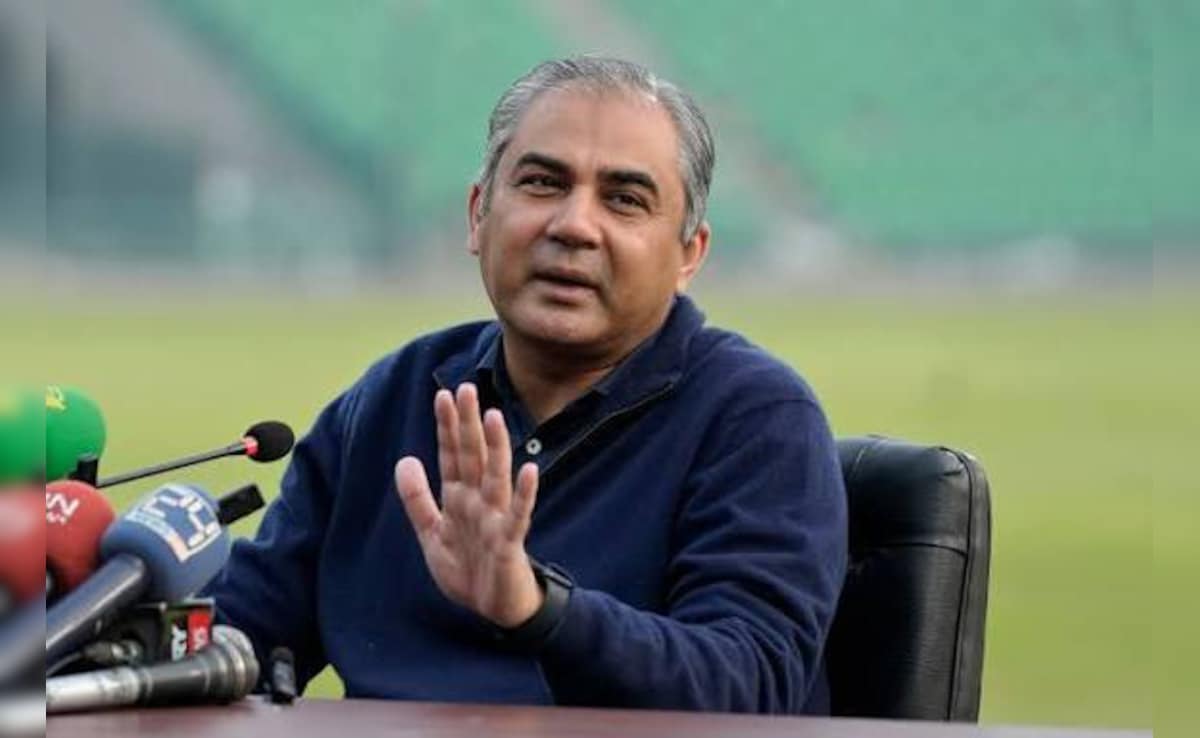
The controversy stems from reports within Pakistani media suggesting the national team might opt out of the crucial fixture as a form of protest. This comes despite Pakistan having already announced its squad for the biennial global event, with the management currently awaiting essential government clearance for their participation. The gravity of the situation was underscored by PCB Chairman Mohsin Naqvi's recent meeting with the country's Prime Minister to deliberate on the matter.
Any decision to boycott a match, or even the entire tournament, carries immense contractual implications. The PCB, like all other participating boards, has formally committed to International Cricket Council (ICC) events through a legally binding Member Participation Agreement. A breach of this fundamental document would not only invite severe sanctions from the sport's global governing body but also open the door for considerable financial claims.
Industry experts highlight that the potential $38 million claim is directly tied to the commercial value of the India-Pakistan clash. This fixture is widely recognized as one of cricket's most lucrative, drawing colossal viewership and advertising revenue. Reports suggest that this sum is contingent upon a complex ecosystem of advertising slots, branded programming, and pivotal sponsorship integrations that specifically hinge on this high-stakes encounter. Should Pakistan forfeit the match, the host broadcaster would almost certainly initiate legal proceedings to recover these projected losses, forcing the PCB to navigate severe legal and financial repercussions.
The backdrop to these discussions includes reports of possible gestures of solidarity with Bangladesh, following its recent removal from the T20 World Cup. However, cricket observers caution that while diplomatic expressions are one thing, a boycott would plunge the PCB into a perilous financial and reputational crisis.
Adding a political dimension to the cricketing dilemma, PCB Chairman Mohsin Naqvi, who also serves as the nation's Interior Minister, engaged in a high-level meeting with Prime Minister Shehbaz Sharif on Monday. The primary agenda was to finalize Pakistan's stance on its T20 World Cup 2026 participation. Following the discussions, Naqvi conveyed via social media that a definitive decision is anticipated either by this coming Friday or early next Monday.
"Had a productive meeting with Prime Minister Shehbaz Sharif," Naqvi posted, indicating the seriousness of the deliberations. He further elaborated, "Briefed him on the ICC matter, and he directed that we resolve it while keeping all options on the table. It was agreed that the final decision will be taken either on Friday or next Monday." This statement underscores the delicate balance the board and government are attempting to strike between national interests, cricketing obligations, and the harsh realities of international sports contracts.
Ultimately, while internal political dynamics and expressions of solidarity are considerations, the overriding factor remains the substantial financial penalty and potential isolation from international cricket that a boycott would entail. The cricketing world watches keenly as Pakistan prepares to make a decision that will profoundly impact its future on the global stage.
You Might Also Like

More in Cricket
- "IPL 2026: BCCI Bans Rival Teams From Sharing Practice Pitches"
- BCCI Issues Strict Guidelines For All 10 Franchises Ahead Of IPL 2026
- "Laxman's 2001 Eden Epic: Why Mind Conquered Body for India"
- Why there’s always drama when it’s India vs Pakistan
- "Usman Tariq: T20 World Cup Action Baffles Batters, Sparks Debate"
