Mohammad Yousaf Triggers "Viewership Discussion" Over Bangladeshs T20 World Cup Axe, Gets Fact Checked
By NewsDose Team
Updated on January 28, 2026
5 min read
Key takeaways
Mohammad Yousaf was fact-checked on social media over his claims on the T20 World Cup row involving ICC and Bangladesh.
A storm is brewing in the cricketing world following the International Cricket Council's (ICC) contentious decision to remove Bangladesh from the T20 World Cup 2026. This move has not only ignited widespread debate but also drawn sharp criticism, most notably from former Pakistan cricketing legend Mohammad Yousaf, whose claims about potential viewership losses have since been put under the spotlight by a community fact-check.
The controversy stems from Bangladesh's request for a venue change within the upcoming T20 World Cup, citing what their government described as legitimate security threats. However, the ICC reportedly found these concerns to be "unreasonable" and lacking credible evidence, leading to the dramatic decision to replace Bangladesh with Scotland in the biennial global event.
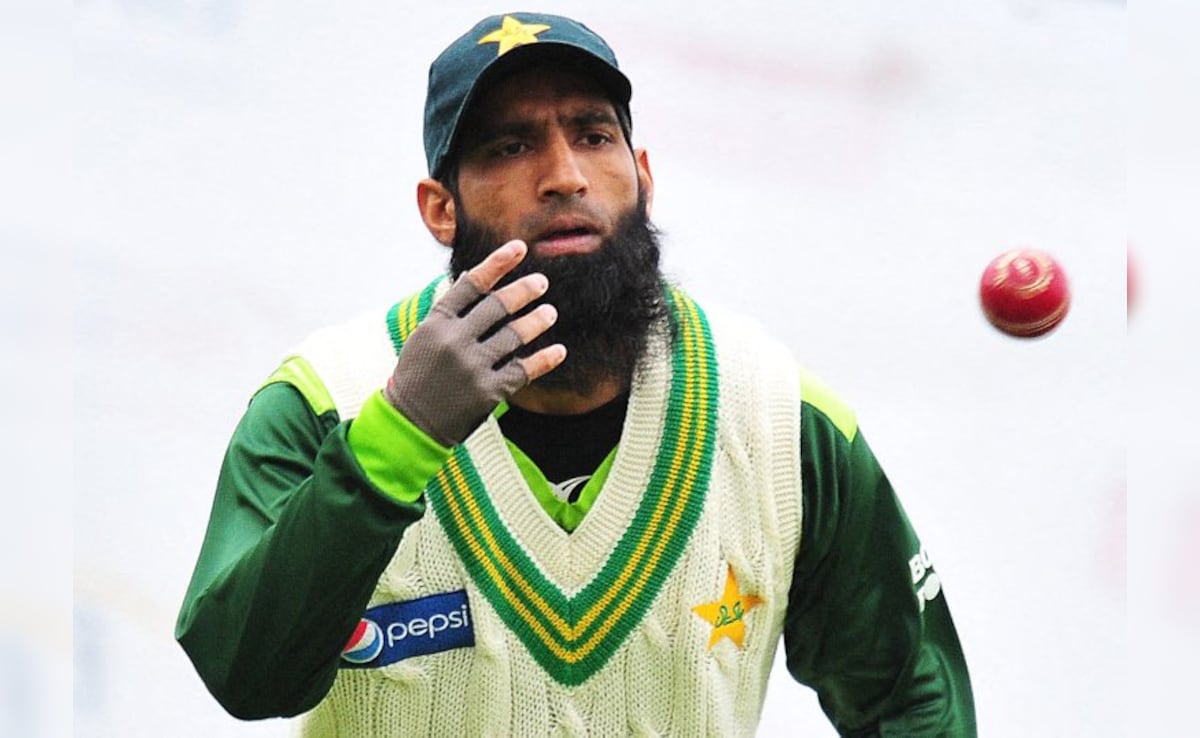
Mohammad Yousaf, a revered figure known for his exceptional batting prowess during his illustrious career, took to social media platform X (formerly Twitter) to voice his strong disapproval of the ICC's stance. In a widely circulated post, Yousaf ignited a 'viewership loss discussion' by presenting figures he believed underscored Bangladesh's crucial role in the global cricket economy. He asserted that the combined cricket viewership of ten nations—New Zealand, Australia, Scotland, Nepal, Netherlands, Ireland, Namibia, Zimbabwe, Sri Lanka, and Afghanistan—was broadly equivalent to the immense viewership Bangladesh generates on its own.
Specifically, Yousaf's post read: "The combined cricket viewership of New Zealand, Australia, Scotland, Nepal, Netherlands, Ireland, Namibia, Zimbabwe, Sri Lanka and Afghanistan is broadly equivalent to the viewership Bangladesh generates on its own. 10 nations combined: 178 million. Bangladesh alone: 176 million. In a sport driven by global audiences, sidelining Bangladesh's legitimate security concerns raises serious questions about consistency and governance. When accommodation becomes selective, fairness disappears. Cricket cannot be administered by influence - only by principle."
While Yousaf's impassioned plea resonated with many fans, his statistical claims were swiftly challenged. A community note appended to his post fact-checked the figures, revealing a critical distinction: "The figures cited (178 million combined, 176 million for Bangladesh) match the populations of those countries, not cricket viewership. Global viewership shares place Bangladesh at 4-5%, with Australia having high household penetration." This clarification suggested that while Bangladesh indeed boasts a large and passionate fan base, the raw population numbers do not directly translate to proportional cricket viewership in the manner Yousaf had presented.
The repercussions of Bangladesh's exclusion are far-reaching. The decision has not only sparked a conversation about the ICC's governance and consistency in addressing member board concerns but has also led to a significant diplomatic cricketing crisis within the South Asian region. Pakistan, in a show of solidarity with the "Bangla Tigers," has openly contemplated withdrawing from the T20 World Cup 2026.
The Pakistan Cricket Board (PCB) chief, Mohsin Naqvi, held a high-stakes meeting with Prime Minister Shehbaz Sharif recently to deliberate on the matter and finalize Pakistan's official stance regarding participation in the prestigious tournament. The prospect of Pakistan, another cricketing powerhouse in the subcontinent, boycotting the event adds another layer of complexity to an already volatile situation. Such a withdrawal would not only diminish the competitive landscape of the tournament, which is scheduled to commence on February 7th in India and Sri Lanka, but also poses severe consequences for Pakistan itself.
Although the Pakistan government has opted to postpone its final decision on the matter by a week, the stakes are incredibly high. A potential withdrawal from the T20 World Cup could lead to significant global isolation for Pakistan in the cricketing arena, severe sanctions from the ICC, and potentially catastrophic financial ruin for the country's cricket board. This unfolding drama underscores the intricate balance between sportsmanship, international relations, and the financial imperatives that govern global cricket today.
As the cricketing world watches intently, the coming days will be crucial in determining the full extent of this unprecedented row and its lasting impact on the future of international cricket governance and participation.
You Might Also Like

More in Cricket
- "IPL 2026: BCCI Bans Rival Teams From Sharing Practice Pitches"
- BCCI Issues Strict Guidelines For All 10 Franchises Ahead Of IPL 2026
- "Laxman's 2001 Eden Epic: Why Mind Conquered Body for India"
- Why there’s always drama when it’s India vs Pakistan
- "Usman Tariq: T20 World Cup Action Baffles Batters, Sparks Debate"
