Pakistan Serious About Boycotting India In T20 World Cup, Plan To Avoid ICC Sanctions Ready: Report
By NewsDose Team
Updated on January 30, 2026
5 min read
Key takeaways
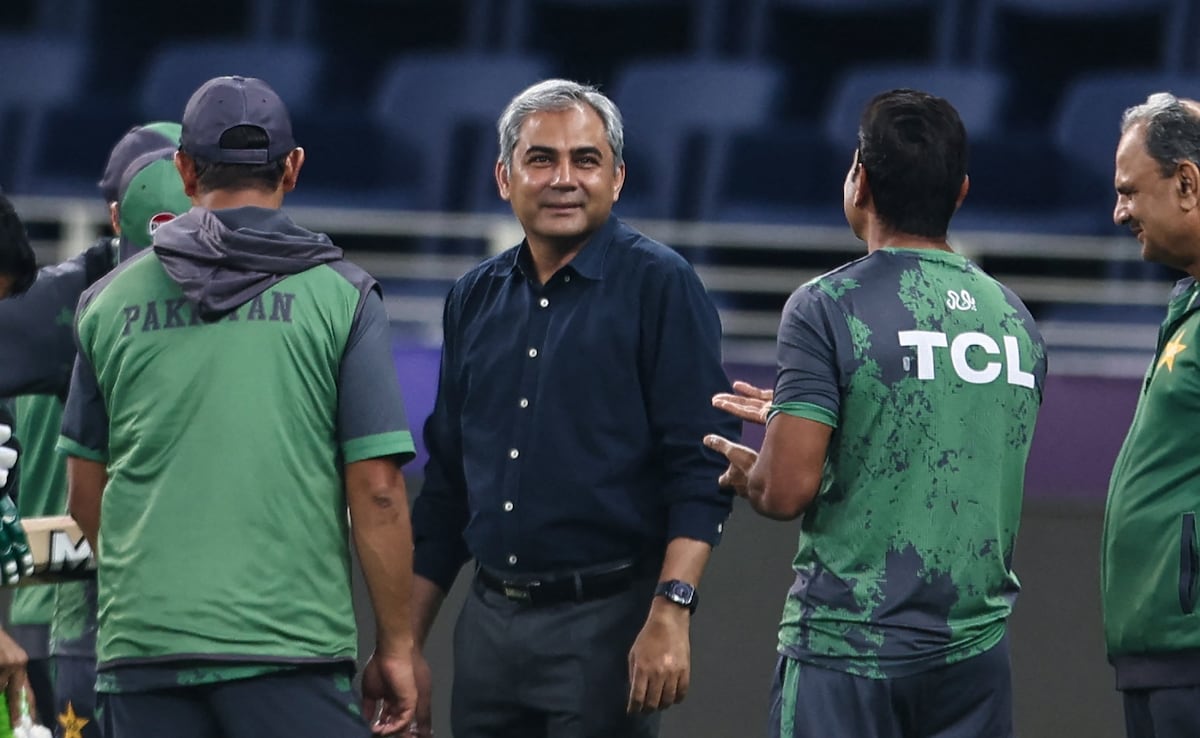
The Pakistan Cricket Board (PCB) is reportedly ready with the plan to boycott the India match in the T20 World Cup 2026 on February 15 while also avoiding potential ICC sanctions.
In a development set to send reverberations across the global cricketing landscape, the Pakistan Cricket Board (PCB) is reportedly advancing a sophisticated strategy to potentially withdraw from its highly anticipated fixture against India in the upcoming T20 World Cup 2026. Scheduled for February 15th, this pivotal group match could be forfeited, a move that the PCB is meticulously planning to execute without incurring severe penalties from the International Cricket Council (ICC).
Sources close to the matter suggest that the PCB's chairman recently provided a comprehensive briefing to the nation's Prime Minister, outlining the intricacies of this unprecedented proposal. The core objective, while not a full tournament boycott, centers on skipping the crucial encounter against their arch-rivals, ostensibly to demonstrate solidarity with Bangladesh amidst regional tensions.
The strategic blueprint hinges on a critical legal interpretation designed to circumvent ICC regulations, which typically impose stringent sanctions on member boards for political interference. Instead of presenting the forfeiture as a board-level decision, Pakistan aims to frame it as a direct mandate issued by the government. This distinction is crucial, as the PCB believes that classifying the action as an adherence to national policy, possibly citing national security imperatives, could establish a compelling case for force majeure.
This calculated manoeuvre is a response to what has been described as severely strained diplomatic relations between the two nations. Recent years have seen unprecedented levels of tension, including significant military escalations, creating an environment where sporting engagements become deeply intertwined with geopolitical dynamics. The decision to potentially forgo this particular match is thus viewed through a lens broader than mere cricketing rivalry.
The financial implications of such a boycott are monumental. Matches between India and Pakistan are perennial blockbusters, commanding colossal viewership and generating a substantial portion of the tournament's global sponsorship and broadcasting revenues. By targeting this specific fixture, Pakistan aims to make a powerful statement, albeit one that carries significant financial risks. While the PCB reportedly feels confident in its legal strategy to avoid immediate monetary fines or bans from the ICC, the long-term financial health and international standing of the board could still face considerable challenges.
Experts are already weighing in on the potential fallout. A boycott, even if strategically executed to avoid direct ICC sanctions, could lead to strained relationships with other cricketing nations and commercial partners. The complexities extend beyond legal frameworks, touching upon the spirit of the game, fan expectations, and the broader global perception of cricket as a unifying force. The global cricketing community will be watching closely as this high-stakes decision unfolds, potentially reshaping the future of international cricket diplomacy and competition.
You Might Also Like

More in Cricket
- "IPL 2026: BCCI Bans Rival Teams From Sharing Practice Pitches"
- BCCI Issues Strict Guidelines For All 10 Franchises Ahead Of IPL 2026
- "Laxman's 2001 Eden Epic: Why Mind Conquered Body for India"
- Why there’s always drama when it’s India vs Pakistan
- "Usman Tariq: T20 World Cup Action Baffles Batters, Sparks Debate"
