"How Will Pakistan Justify...?" Report Adds Fresh Angle To T20 World Cup Row
By NewsDose Team
Updated on January 30, 2026
5 min read
Key takeaways
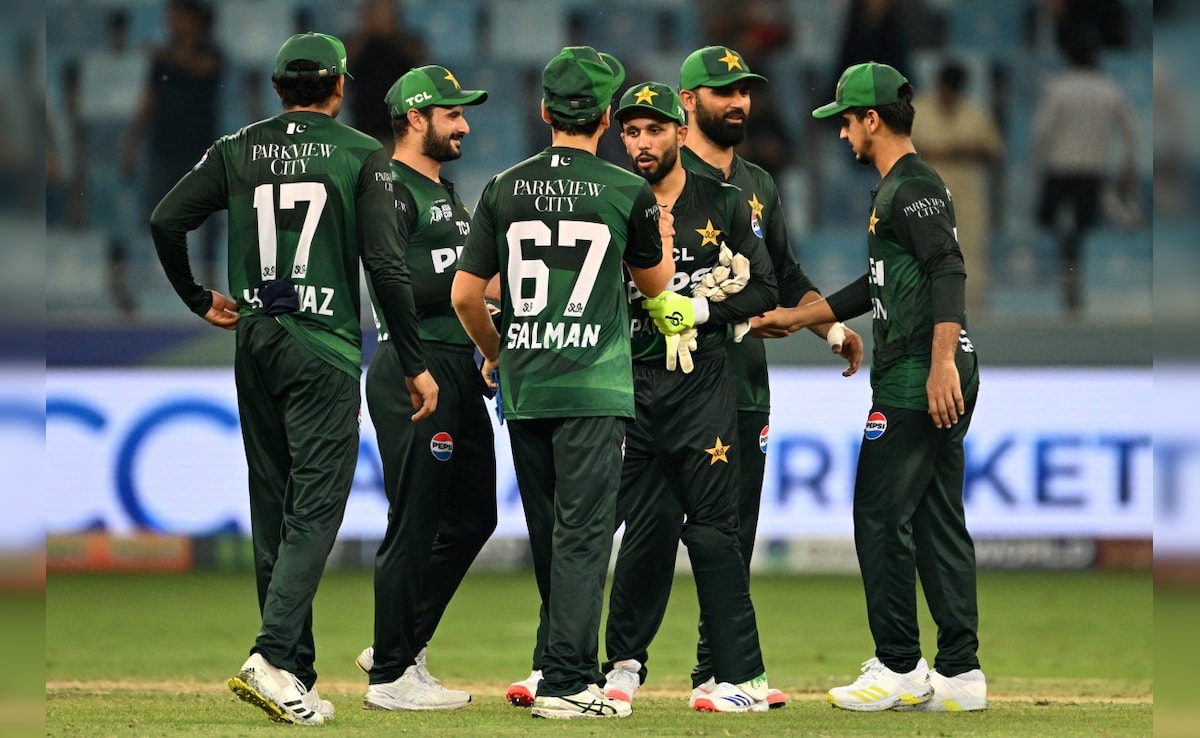
The Pakistan Cricket Board has already scheduled its T20 World Cup squad to depart for Colombo early on February 2, virtually ruling out any possibility of boycotting either the tournament or the marquee clash against India on February 15.
Speculation surrounding Pakistan's potential boycott of the upcoming T20 World Cup, and particularly the highly anticipated clash against arch-rivals India, has largely dissipated following definitive actions and statements from the Pakistan Cricket Board (PCB). With the national squad having already departed for Colombo on February 2nd, the likelihood of a last-minute withdrawal from either the tournament or the marquee encounter on February 15th appears virtually non-existent.
Sources close to the PCB confirmed that meticulous travel arrangements were finalized well in advance, indicating a clear intent to participate fully in the global cricketing spectacle. This proactive approach by the board has been seen as a strategic move to affirm its commitment to international cricket and uphold its obligations to the International Cricket Council (ICC).
The controversy initially gained traction amidst reports of potential boycotts, with some sections of the media suggesting Pakistan might withdraw in solidarity with the Bangladesh Cricket Board (BCB) over their expressed "security concerns" regarding playing in India. However, insiders have consistently dismissed these claims, emphasizing that while the PCB extended full diplomatic support to the BCB, further actions that could jeopardize Pakistan's own standing within the ICC were not on the table. The integrity of Pakistan's position on the global cricketing stage, and its relationships with member boards, remains a paramount concern for the administration.
A pivotal factor underpinning Pakistan's unwavering commitment is a tripartite agreement forged between the Board of Control for Cricket in India (BCCI), the PCB, and the ICC. This agreement stipulates that all India-Pakistan matches in ICC events until 2027 will be contested at neutral venues. Given that Pakistan's entire T20 World Cup schedule, including any potential final appearance, is slated to be held in Sri Lanka, the rationale for a boycott becomes significantly undermined. "On what legitimate grounds could they possibly withdraw from the tournament or refuse to play India when their entire itinerary is already established in a neutral country?" an informed source questioned, highlighting the logical inconsistencies of the boycott narrative.
Furthermore, discussions at the highest levels of Pakistani leadership have reinforced the decision to participate. During a crucial meeting between PCB Chairman, Mohsin Naqvi, and Prime Minister Shahbaz Sharif, a consensus was reached that all strategic options must align with the long-term stability and prosperity of Pakistan cricket, while simultaneously fostering strong relations with the ICC and other member boards. This directive underscored a policy of separating sports from political rhetoric, a stance the Pakistani government has frequently articulated.
The initial wave of speculation over a potential boycott lacked substantial grounding, failing to present a coherent justification for such a drastic measure. While the Indian government has maintained its stance against its team playing in Pakistan, there have been no impediments to India and Pakistan competing at neutral venues in both Asia Cup and ICC events. The question posed by many observers remains pertinent: "How would Pakistan credibly justify boycotting the match against India, especially when its government has consistently advocated for keeping politics distinct from sports?" The answer, increasingly, points towards a path of consistent participation and adherence to international cricketing protocols.
With the squad now settled in Colombo and preparations for the T20 World Cup in full swing, the focus has firmly shifted from geopolitical speculation to cricketing action. The PCB is expected to formally reconfirm its full participation shortly, putting an end to any lingering doubts and paving the way for a competitive and engaging tournament for fans worldwide.
You Might Also Like

More in Cricket
- "IPL 2026: BCCI Bans Rival Teams From Sharing Practice Pitches"
- BCCI Issues Strict Guidelines For All 10 Franchises Ahead Of IPL 2026
- "Laxman's 2001 Eden Epic: Why Mind Conquered Body for India"
- Why there’s always drama when it’s India vs Pakistan
- "Usman Tariq: T20 World Cup Action Baffles Batters, Sparks Debate"
