Pakistan Serious About Boycotting India In T20 World Cup, Plan To Avoid ICC Sanctions Ready: Report
By NewsDose Team
Updated on January 30, 2026
5 min read
Key takeaways
The Pakistan Cricket Board (PCB) is reportedly ready with the plan to boycott the India match in the T20 World Cup 2026 on February 15 while also avoiding potential ICC sanctions.
A seismic shift could be on the horizon for international cricket, as the Pakistan Cricket Board (PCB) reportedly stands on the precipice of a momentous decision. Whispers from Lahore indicate a serious contemplation of forfeiting their highly anticipated T20 World Cup 2026 group stage clash against arch-rivals India, slated for February 15th. This audacious move, if executed, is not merely a withdrawal from a single fixture but a calculated gambit designed to make a profound statement while simultaneously navigating the treacherous waters of international cricketing regulations.
The strategic blueprint behind this potential boycott is as intricate as it is controversial. Sources close to the PCB suggest a meticulously crafted plan aimed at achieving two primary objectives: demonstrating solidarity—reportedly with Bangladesh—and, crucially, sidestepping severe punitive measures from the International Cricket Council (ICC). The core of this strategy hinges on a fundamental legal distinction: differentiating between a unilateral decision by a national cricket board and a directive issued directly by a sovereign government.
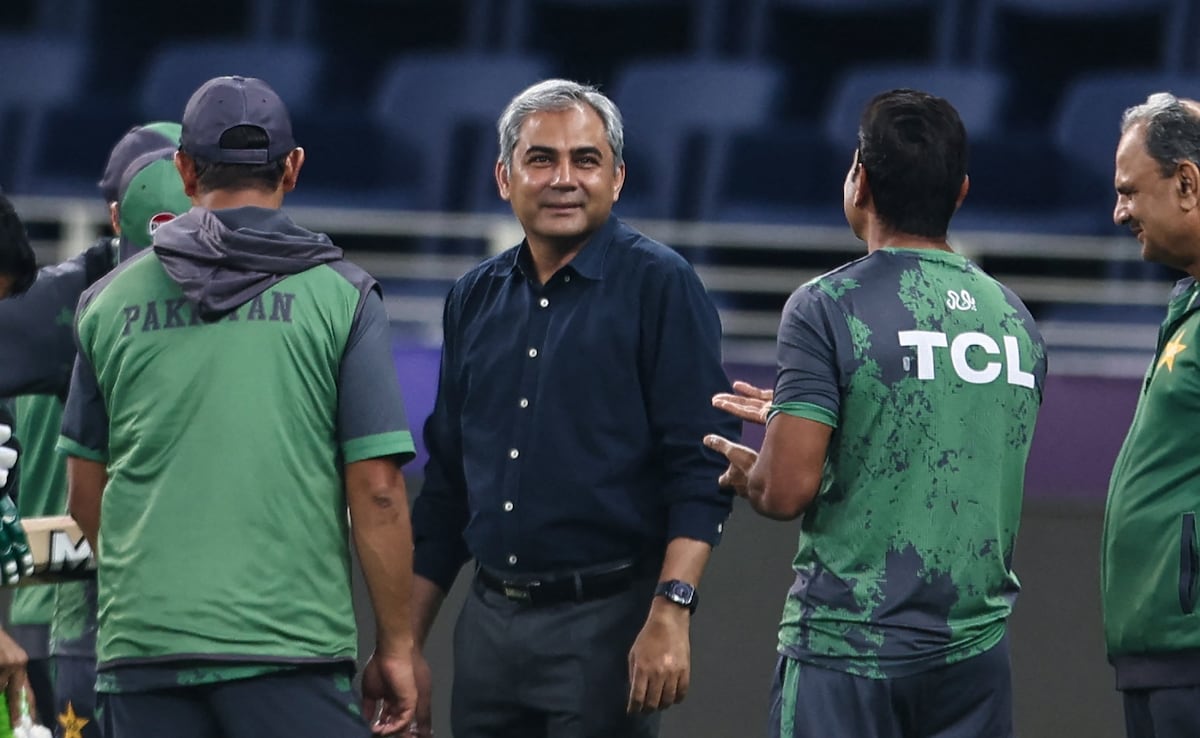
According to comprehensive reports emerging from within Pakistan's media landscape, PCB Chairman Mohsin Naqvi has already engaged in high-level discussions, briefing Prime Minister Shehbaz Sharif on the multifaceted implications of such a proposal. This briefing reportedly delved into both the potential advantages and the inherent risks associated with various options to express solidarity, with the forfeiture of the India match emerging as a primary consideration.
While a complete withdrawal from the entire T20 World Cup tournament is not currently the PCB's leading priority, the February 15th encounter against India in Colombo remains a focal point of their strategic deliberations. The financial ramifications of an India-Pakistan match are colossal, representing a significant portion of the tournament’s global sponsorship and broadcast revenue. By targeting this specific fixture, Pakistan aims to exert considerable pressure on the ICC and the broader cricketing ecosystem, highlighting the profound economic impact of their absence.
ICC regulations are stringent when it comes to political interference in the affairs of member boards, often imposing hefty fines, suspensions, or other severe sanctions. However, the PCB is believed to be preparing a compelling 'force majeure' argument. By positioning any forfeiture as a direct government order, citing national security concerns or other imperative state directives, the PCB intends to argue that the decision is beyond its autonomous control. This legal avenue, if successfully navigated, could potentially insulate the board from the typical penalties associated with withdrawing from scheduled matches.
“Pakistan can say it is following the instructions of the government in not playing against India. In that case, the ICC cannot impose any cash penalty or sanctions on the PCB," a source was quoted as stating, underscoring the legal loophole the PCB aims to exploit. This nuanced approach seeks to avoid the heavy financial penalties or potential international bans that could otherwise cripple the country's cricketing future.
The backdrop to these discussions is a deeply strained relationship between India and Pakistan, marked by persistent geopolitical tensions. Recent years have seen unprecedented levels of diplomatic frostiness and even military stand-offs, translating directly into the sporting arena. The absence of bilateral cricketing ties outside of ICC tournaments for over a decade underscores the depth of this estrangement. A boycott, therefore, would not merely be a sporting decision but a potent political statement reverberating across diplomatic corridors.
Nevertheless, the path ahead is fraught with complexities. While the PCB may believe it has identified a robust legal framework to shield itself from ICC sanctions, the broader implications remain unpredictable. A unilateral withdrawal, even under government directive, could strain relationships with other cricketing nations, broadcasters, and sponsors. The long-term reputational and financial costs to Pakistan cricket, despite immediate sanction avoidance, could be substantial and difficult to recover from. The world of cricket watches with bated breath as this high-stakes drama unfolds, a testament to the intricate dance between sport, politics, and national pride.
You Might Also Like

More in Cricket
- "IPL 2026: BCCI Bans Rival Teams From Sharing Practice Pitches"
- BCCI Issues Strict Guidelines For All 10 Franchises Ahead Of IPL 2026
- "Laxman's 2001 Eden Epic: Why Mind Conquered Body for India"
- Why there’s always drama when it’s India vs Pakistan
- "Usman Tariq: T20 World Cup Action Baffles Batters, Sparks Debate"
