Mohammad Yousaf Triggers "Viewership Discussion" Over Bangladeshs T20 World Cup Axe, Gets Fact Checked
By NewsDose Team
Updated on January 30, 2026
5 min read
Key takeaways
Mohammad Yousaf was fact-checked on social media over his claims on the T20 World Cup row involving ICC and Bangladesh.
The cricketing world finds itself embroiled in a fresh controversy following Bangladesh's unexpected exclusion from the upcoming T20 World Cup 2026. This decision by the International Cricket Council (ICC) has ignited a fierce debate, drawing strong reactions from former players and stakeholders, most notably from Pakistani cricket legend Mohammad Yousaf, whose recent social media posts on the matter have sparked widespread discussion and subsequent scrutiny.
The drama unfolded after the ICC declared Bangladesh's request for a change in their designated tournament venues as 'unreasonable'. The Bangladeshi government had cited significant security concerns at the original locations; however, a thorough investigation by the global cricketing body found no credible evidence to substantiate these claims. Consequently, Bangladesh was replaced by Scotland in the biennial global showpiece, a move that sent shockwaves through the cricketing fraternity.
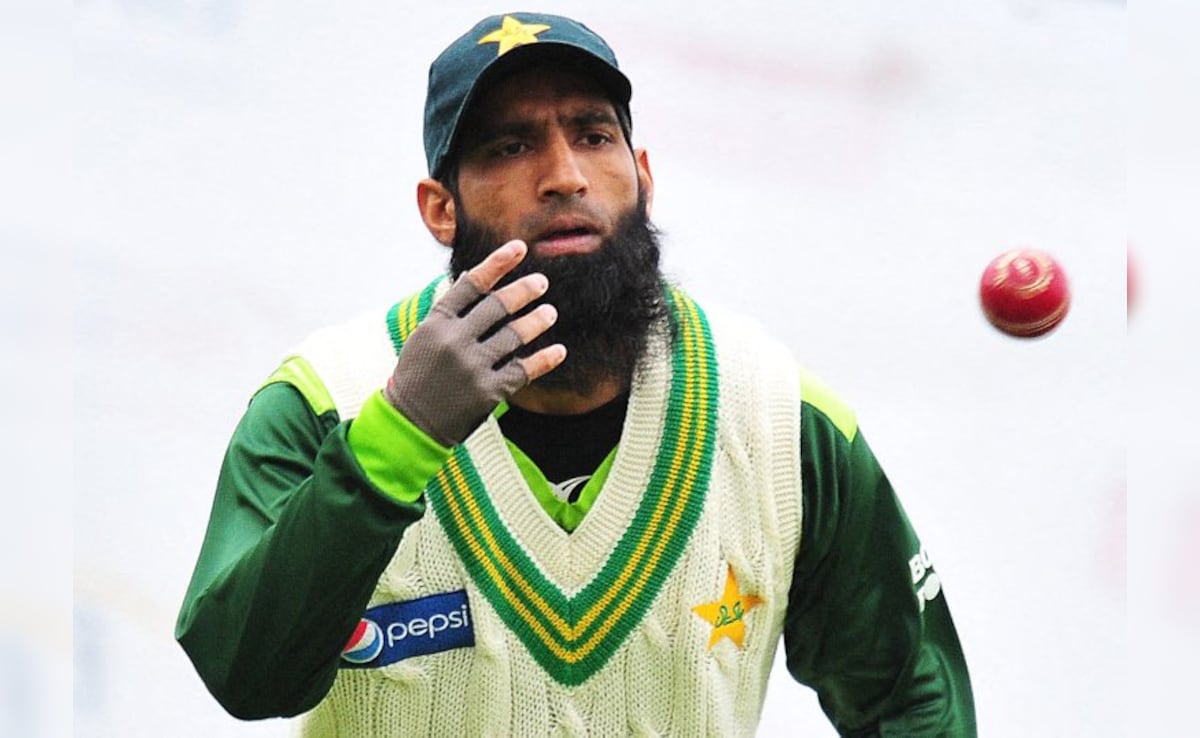
Mohammad Yousaf, a revered figure in international cricket known for his elegant batting and profound understanding of the game, quickly took to social media platform X (formerly Twitter) to voice his strong disapproval. He argued that sidelining a nation with such a passionate fanbase would inevitably lead to a substantial decrease in global viewership for the ICC. Yousaf's post contained specific, seemingly authoritative statistics intended to underscore his point about Bangladesh's immense appeal.
In his highly circulated post, Yousaf articulated: "The combined cricket viewership of New Zealand, Australia, Scotland, Nepal, Netherlands, Ireland, Namibia, Zimbabwe, Sri Lanka and Afghanistan is broadly equivalent to the viewership Bangladesh generates on its own. 10 nations combined: 178 million. Bangladesh alone: 176 million. In a sport driven by global audiences, sidelining Bangladesh's legitimate security concerns raises serious questions about consistency and governance. When accommodation becomes selective, fairness disappears. Cricket cannot be administered by influence - only by principle."
The former Pakistan captain's dramatic figures quickly captured attention, yet they also invited immediate fact-checking. A community note appended to his post quickly debunked the core of his claim, revealing a critical misinterpretation of data. The correction stated: "The figures cited (178 million combined, 176 million for Bangladesh) match the populations of those countries, not cricket viewership. Global viewership shares place Bangladesh at 4-5%, with Australia having high household penetration." This clarification highlighted a significant discrepancy, suggesting that Yousaf's argument, while emotionally resonant, was built upon an erroneous statistical foundation.
Beyond the viewership debate, the ICC's decision has prompted deeper introspection into the principles guiding international cricket administration. While the ICC maintains its decision was based on a thorough and impartial security assessment, questions persist about the transparency and consistency of its policies, especially concerning smaller cricketing nations and their ability to voice concerns.
Adding another layer of complexity to this unfolding saga, Pakistan has expressed strong solidarity with Bangladesh. Reports indicate that the Pakistan Cricket Board (PCB) has been actively contemplating a potential withdrawal from the T20 World Cup, which is slated to commence on February 7th across venues in India and Sri Lanka. This stance, seen as a defiant act against the ICC's ruling, has escalated the diplomatic tensions within the cricketing world.
The gravity of the situation was underscored when PCB chief Mohsin Naqvi reportedly met with Pakistan's Prime Minister Shehbaz Sharif on Monday to deliberate on the country's official stance regarding participation in the tournament. Such high-level discussions highlight the significant political ramifications embedded in sporting decisions at this scale. While the Pakistani government has temporarily deferred its final decision by a week, the implications of a potential withdrawal are stark and far-reaching.
Should Pakistan proceed with a withdrawal, the consequences could be severe. The nation's cricket board could face unprecedented global isolation, including potential bans from international events and debilitating financial sanctions. Such measures could plunge the PCB into financial ruin, jeopardizing the future of cricket in the country. The delicate balance between national solidarity, international obligations, and the practicalities of financial stability is now a critical challenge for Pakistan's cricketing leadership.
This entire episode serves as a potent reminder of the intricate interplay between sport, politics, and economics on the global stage. As the T20 World Cup 2026 approaches, all eyes will remain fixed on the ICC's next steps and how cricketing nations navigate these turbulent waters, striving for a resolution that upholds the spirit of the game while addressing complex geopolitical sensitivities.
You Might Also Like


More in Cricket
- "IPL 2026: BCCI Bans Rival Teams From Sharing Practice Pitches"
- BCCI Issues Strict Guidelines For All 10 Franchises Ahead Of IPL 2026
- "Laxman's 2001 Eden Epic: Why Mind Conquered Body for India"
- Why there’s always drama when it’s India vs Pakistan
- "Usman Tariq: T20 World Cup Action Baffles Batters, Sparks Debate"
