"Hey Pakistan, Don't Come": Mohsin Naqvi Warned By Indian World Cup-Winner Over T20 World Cup Remark
By NewsDose Team
Updated on January 30, 2026
5 min read
Key takeaways
Pakistan are yet to receive the government clearance to participate in the T20 World Cup 2026.
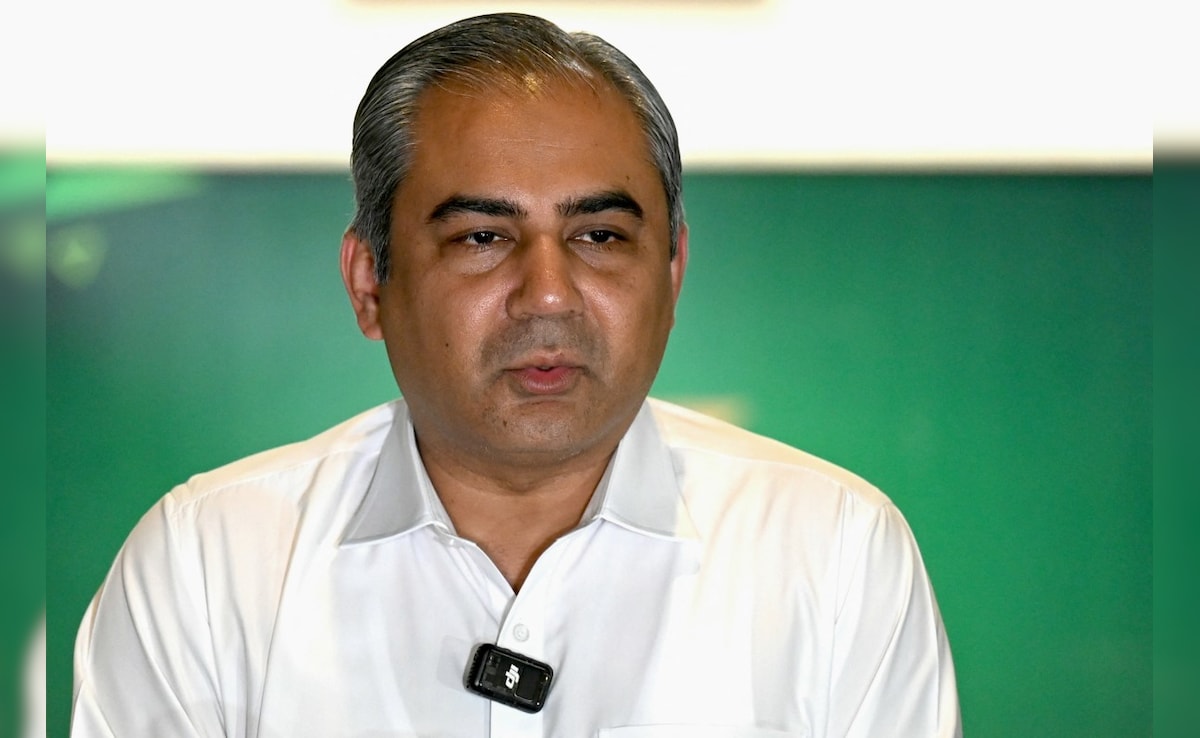
The cricketing world is abuzz following recent controversial statements from Pakistan Cricket Board (PCB) chief Mohsin Naqvi, hinting at a potential withdrawal from the upcoming T20 World Cup 2026. These remarks have drawn sharp criticism, particularly from Indian cricketing legend and 1983 World Cup winner, Krishnamachari Srikkanth, who issued a stern warning to Pakistan regarding their participation.
Naqvi's comments, which have been widely interpreted as an attempt to leverage political sentiments within the sport, suggested that Pakistan might boycott the prestigious global tournament. This speculated withdrawal was reportedly in solidarity with Bangladesh, a team allegedly sidelined from the event over their demands for matches to be relocated to neutral venues, such as Sri Lanka. Such pronouncements are not new for Naqvi, who has frequently faced scrutiny for intertwining cricket with geopolitical narratives, often perceived as an effort to gain political mileage.
Reacting emphatically to Naqvi's posturing, Krishnamachari Srikkanth minced no words. Speaking on his YouTube channel, the former Indian opener directly addressed the PCB chief's implied threat, cautioning Pakistan against opting out of the tournament. Srikkanth underscored India's formidable form in T20 cricket, citing recent high-scoring performances as a testament to their dominance. He specifically highlighted India's strength, especially with the tournament slated to be held in the subcontinent, which traditionally offers conditions favorable to the home side.
"Don't come to the T20 World Cup," Srikkanth emphatically stated, addressing the Pakistan team. "Your man Mohsin Naqvi has been talking about it – don't come. You will be thrashed. A six hit in Colombo will land in Madras. Beware. The best option is to stay away. Find an excuse and don't come. These boys will thrash them hard." Srikkanth's words serve as a stark reminder of the intense rivalry and the high stakes involved when these two cricketing giants face off.
He further elaborated on the Indian team's aggressive batting prowess, noting, "In the last match, India scored 209 in 15 overs. In this match, they scored 150 in 10 overs. Seeing this, many teams might say 'no, we are not coming. You can keep the cup'." This aggressive style of play, according to Srikkanth, sends "an alarming signal to every cricket team in the world" and is something he has "never seen anything like it" in T20 cricket.
Despite Naqvi's public statements, the practicalities of Pakistan's participation remain uncertain. Merely hours after the PCB chief hinted at a potential pullout, the Pakistan management announced their squad for the tournament. However, during a subsequent press conference, officials revealed that the team has yet to secure the necessary government clearance to travel and compete. The final decision from the government of Pakistan is still pending, adding another layer of complexity to an already tense situation.
Naqvi himself reiterated this administrative hurdle in a meeting with Pakistan players and coaches in Lahore. "We are waiting for the government's advice and whatever the government tells us to do we will do it. If they don't want us to go for the World Cup, we will follow it," he informed the squad. This declaration reaffirms that while cricketing preparations are underway, the ultimate green light rests with political authorities, highlighting the delicate balance between sport and state affairs in the region.
The ongoing saga not only casts a shadow over Pakistan's T20 World Cup prospects but also underscores the persistent challenges faced by international cricket when political considerations intersect with sporting decisions. The global cricketing community will be closely watching for further developments as the tournament approaches, hoping that sport ultimately prevails over political rhetoric.
You Might Also Like

More in Cricket
- "IPL 2026: BCCI Bans Rival Teams From Sharing Practice Pitches"
- BCCI Issues Strict Guidelines For All 10 Franchises Ahead Of IPL 2026
- "Laxman's 2001 Eden Epic: Why Mind Conquered Body for India"
- Why there’s always drama when it’s India vs Pakistan
- "Usman Tariq: T20 World Cup Action Baffles Batters, Sparks Debate"
