Bangladesh T20 World Cup Row LIVE Updates: ICC Swings Axe, Set To Officially Replace Bangladesh
By NewsDose Team
Updated on January 24, 2026
5 min read
Key takeaways
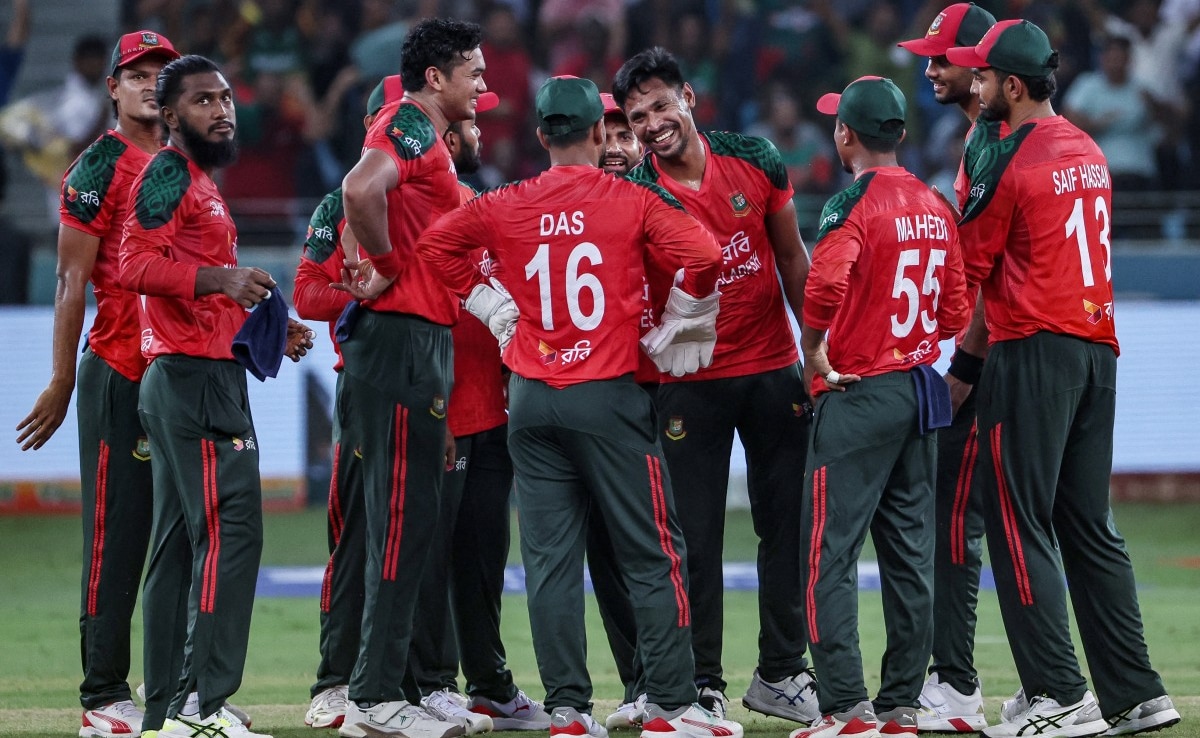
Bangladesh Participation Row LIVE Updates, ICC T20 World Cup 2026: ICC has reportedly informed the Bangladesh Cricket Board that it has been replaced by Scotland in the upcoming T20 World Cup.
In a dramatic turn of events that has sent shockwaves through the cricketing world, Bangladesh has reportedly been replaced by Scotland in the upcoming ICC T20 World Cup 2026. This unprecedented decision by the International Cricket Council comes after the Bangladesh Cricket Board (BCB) maintained its refusal to travel to India for the tournament, citing unresolved security concerns.
The controversy escalated following Bangladesh's objection to the release of star pacer Mustafizur Rahman from the Indian Premier League (IPL) ahead of the tournament. While the Board of Control for Cricket in India (BCCI) had requested his release, the subsequent refusal by Bangladesh to participate in the T20 World Cup in India has been a contentious issue.
Sources close to the ICC reveal that senior officials, including chairman Jay Shah, convened in Dubai to address the escalating crisis. An email was dispatched late Friday evening to BCB chairman Aminul Islam Bulbul, formally conveying the global body's decision to replace Bangladesh. This action followed the expiry of a 24-hour deadline given to Bangladesh to confirm their participation, a deadline they reportedly failed to meet with an official communication.
Earlier reports indicated that the ICC CEO, Sanjog Gupta, formally communicated to the ICC Board that Bangladesh's demands were not aligned with the global body's policy. The ICC Board of Directors had overwhelmingly voted 14-2 in favour of keeping Bangladesh's matches in India, effectively rejecting the BCB's request to move their fixtures.
Bangladesh's Stance and Internal Turmoil
Bangladesh's refusal to play in India stemmed from what they described as security concerns, despite assurances from the ICC that there was no credible threat to players, staff, or fans. BCB president Aminul Islam Bulbul had previously highlighted "shocking calls" made during an ICC Board Meeting, linking them to the Mustafizur Rahman issue, and suggesting India had undue influence.
Adding another layer to the saga, a Bangladesh cricketer, speaking anonymously, revealed that the decision to withdraw was not one where players' views were significantly considered. "The thing is, Bangladesh's government call was already made and nothing else but that's the real story. It was a direct order from the government - it's not happening," the player stated, implying a top-down directive rather than a consensual decision with the team.
This sentiment was echoed by other reports suggesting that while players, including T20I captain Litton Das and Test captain Najmul Hossain Shanto, expressed readiness to play in India during BCB meetings, their opinions held little sway against the board's and government's firm stance. Shanto himself confessed worry about the players' future amid the uncertainty, urging a compromise to ensure the smooth continuation of cricket.
Reactions and Ramifications
The cricketing fraternity has reacted strongly to Bangladesh's decision. Former India captain Mohammad Azharuddin had previously asserted that Bangladesh would be the sole losers if they withdrew, emphasizing the robust security enjoyed by all visiting teams in India. New Zealand is currently playing in India, and South Africa concluded their tour just weeks ago, with no security complaints.
Bangladesh sports advisor Asif Nazrul publicly aired his grievances, suggesting that Bangladesh was being "excluded" from a tournament they had the right to play in, despite acknowledging the nation's passion for cricket. However, his statements have been met with skepticism given the ICC's official position.
Financially, the implications for Bangladesh could be severe. Reports suggest that non-participation could lead to a loss of approximately INR 240 crore (around $29 million USD), potentially representing up to 60 percent of their annual income due to missed sponsorship, broadcast revenue, and prize money. This significant financial setback further underscores the gravity of the BCB's decision.
Scotland's Preparedness and ICC's Next Steps
Scotland, the highest-ranked team not to have qualified for the T20 World Cup, has now stepped into the void. Charles Paterson, head of communications for Cricket Scotland, had previously indicated a readiness to participate if approached, a stance that has now materialized into their inclusion. While initially reserved, their proactive approach to international cricket has positioned them to benefit from this unforeseen circumstance.
Bangladesh's attempt to refer the matter to the ICC's Dispute Resolution Committee (DRC) appears to be a dead end. Analysis of the ICC's Constitution and 'Terms of Reference' for the DRC indicates that it lacks the authority to hear appeals against decisions made by the Board of Directors, which had already emphatically voted in favour of keeping the matches in India.
As the dust settles on this contentious issue, the cricketing world watches closely. The replacement of a full member nation under such circumstances is rare, highlighting the strict adherence to regulations the ICC expects from its members. This saga serves as a stark reminder of the delicate balance between national board decisions, player welfare, and the overarching commitments to global cricketing events.
You Might Also Like

More in Cricket
- "IPL 2026: BCCI Bans Rival Teams From Sharing Practice Pitches"
- BCCI Issues Strict Guidelines For All 10 Franchises Ahead Of IPL 2026
- "Laxman's 2001 Eden Epic: Why Mind Conquered Body for India"
- Why there’s always drama when it’s India vs Pakistan
- "Usman Tariq: T20 World Cup Action Baffles Batters, Sparks Debate"
