Russia Invites Ukraine President Zelensky To Moscow For Peace Talks
By NewsDose Team
Updated on January 30, 2026
5 min read
Key takeaways
Russia Invites Ukraine President Zelensky To Moscow For Peace Talks
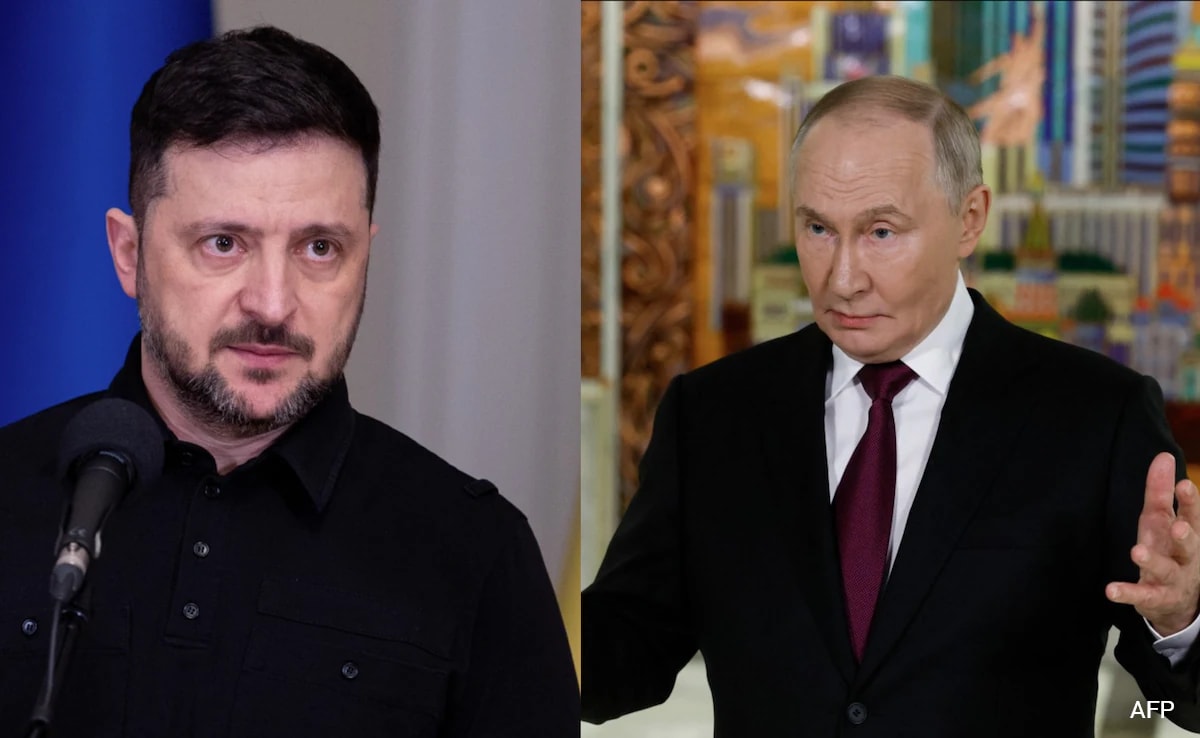
In a significant diplomatic move, Russia has once again extended an invitation to Ukrainian President Volodymyr Zelensky for peace talks to be held in Moscow. This renewed offer comes at a critical juncture, as international efforts to de-escalate the protracted conflict intensify amidst persistent hostilities on the ground.
The invitation underscores a complex geopolitical landscape where direct dialogue between the warring nations remains elusive despite mounting pressure from global powers. Sources close to diplomatic channels indicate that this latest overture from Moscow aims to reinvigorate stalled peace processes, though skepticism persists regarding the preconditions and potential outcomes of such high-level discussions.
Parallel to these developments, diplomatic initiatives spearheaded by the United States and its allies continue to navigate deep-seated disagreements that have plagued previous negotiation attempts. Core sticking points revolve around the future status of disputed territories and the provision of robust security guarantees for both Ukraine and the broader European region. These intricate issues present formidable obstacles to achieving a lasting cessation of hostilities and a comprehensive peace accord.
Further demonstrating the international community's sustained engagement, new rounds of multilateral discussions are reportedly scheduled to take place in Abu Dhabi. These upcoming talks are anticipated to bring together key stakeholders in an effort to explore pathways to resolution and build consensus on critical aspects of the conflict. The scheduling of these discussions highlights a recognition that a multifaceted approach is required to address the profound complexities of the ongoing crisis.
Meanwhile, the humanitarian situation in Ukraine remains precarious. Fierce fighting persists across various frontlines, with major cities, including the capital Kyiv, continuing to bear the brunt of missile strikes. These relentless assaults have severely impacted critical infrastructure, leading to widespread power outages and significant disruptions to essential services, exacerbating the challenges faced by the civilian population as winter conditions persist.
Analysts suggest that while the renewed invitation from Russia might signal a potential shift in diplomatic strategy, any meaningful progress will hinge on the willingness of both sides to make substantial concessions and engage in good-faith negotiations on the fundamental issues at stake. The path to peace remains fraught with challenges, but international efforts continue to seek avenues for de-escalation and a definitive end to the conflict.