Russia Invites Ukraine President Zelensky To Moscow For Peace Talks
By NewsDose Team
Updated on January 30, 2026
5 min read
Key takeaways
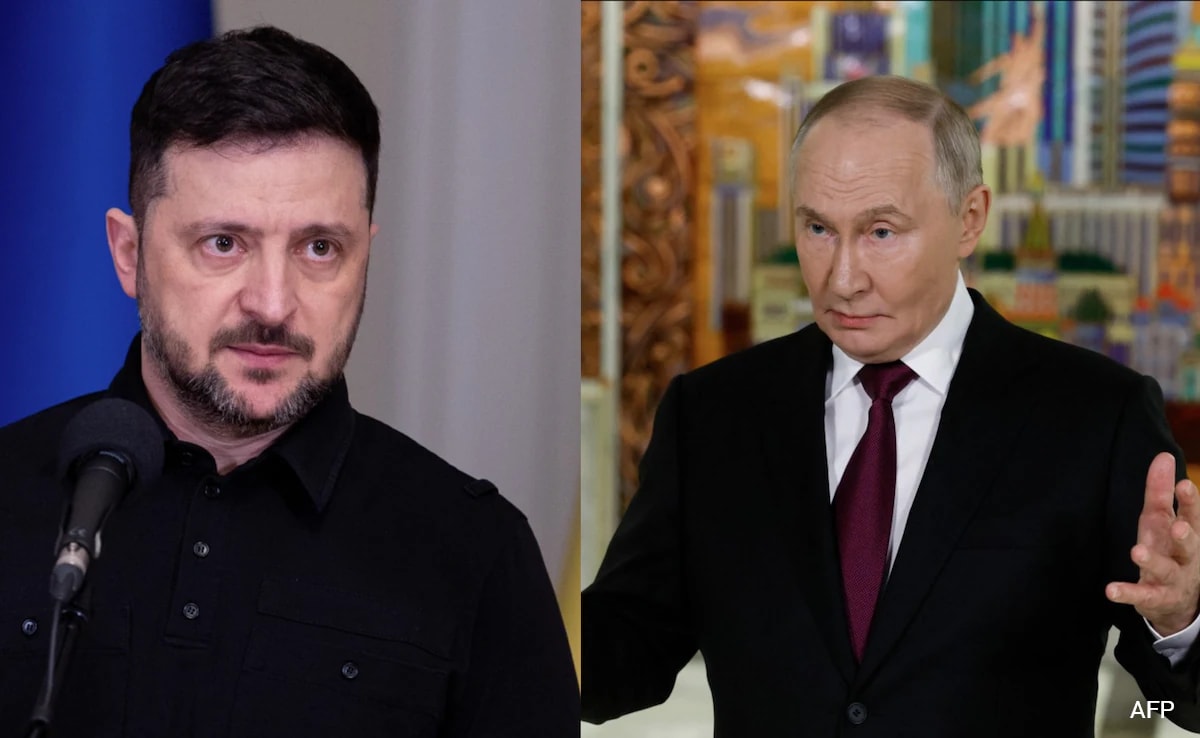
The Kremlin said on Thursday that Russia had reiterated its invitation for Ukrainian President Volodymyr Zelenskiy to come to Moscow for peace talks, as US-led efforts to reach a deal to end the nearly four-year war in Ukraine intensify.
In a significant diplomatic move, Russia has once again extended an invitation to Ukrainian President Volodymyr Zelensky for peace talks in Moscow. This renewed call comes as international efforts, spearheaded by the United States, intensify to broker a resolution to the protracted conflict in Ukraine, which is now nearing its four-year mark.
The Kremlin’s statement was delivered amidst ongoing exchanges of war dead between the two nations, a somber reminder of the human cost of the conflict. This diplomatic overture also followed hours after Moscow chose not to comment on circulating reports suggesting a potential agreement with Kyiv to cease attacks on each other’s critical energy infrastructure, a key point of contention and a source of widespread humanitarian concern.
Recent Washington-mediated discussions held in Abu Dhabi last weekend have undeniably injected fresh momentum into the stalled peace process. These high-stakes negotiations aimed to identify common ground and pathways towards a comprehensive peace deal. However, despite the renewed diplomatic push, profound and seemingly intractable differences persist between the Russian and Ukrainian negotiating teams. The fundamental disagreements span crucial issues, threatening to derail any progress made at the negotiating table.
Even as diplomats convene, the brutal reality on the ground continues unabated. Fierce fighting rages across various frontlines, and Ukrainian capital Kyiv remains under siege, grappling with debilitating power outages. These outages are a direct consequence of recent missile strikes, underscoring the urgent need for a cessation of hostilities and a stable peace agreement.
Reports from a US official, speaking anonymously, indicated last weekend that President Zelensky and Russian President Vladimir Putin were reportedly "very close" to formalizing a direct meeting following the intensive US-mediated talks. Such a high-level summit would mark a critical turning point, potentially paving the way for a direct dialogue between the two leaders.
Looking ahead, a new round of crucial talks between Russian and Ukrainian delegations is slated to take place this Sunday in Abu Dhabi. US President Donald Trump, a vocal proponent for an end to Europe's largest conflict since World War Two, expressed cautious optimism recently, stating that "very good things" were unfolding in the intricate peace process. His administration continues to exert significant diplomatic pressure to bring both sides to a lasting agreement.
Despite these hopeful signs, major disagreements continue to loom large, acting as formidable roadblocks to any comprehensive settlement. Central among these is the contentious issue of territorial control. The question of who retains what territory in any eventual deal remains fiercely debated. Furthermore, the potential deployment of international peacekeepers or monitors in post-war Ukraine, crucial for stability and adherence to agreements, is another point of contention. The fate of the Russian-controlled Zaporizhzhia nuclear power plant, a site of significant strategic and humanitarian concern, also adds complexity to the negotiations.
Kremlin spokesman Dmitry Peskov confirmed that Moscow had not yet received a formal response to its invitation for President Zelensky to visit the Russian capital. This delay highlights the cautious and often distrustful nature of the current diplomatic environment. President Zelensky had previously rejected a similar invitation, vehemently stating that he could not visit the capital of a nation actively bombarding his country. At that time, he counter-proposed that President Putin should instead come to Kyiv for discussions.
Kremlin foreign policy aide Yuri Ushakov emphasized that any potential meeting between President Putin and President Zelensky would necessitate meticulous preparation and must be results-oriented. He also provided assurances regarding President Zelensky's safety should he decide to travel to Moscow, aiming to alleviate security concerns that have previously been raised.
US Secretary of State Marco Rubio recently highlighted the territorial dispute as the single most challenging issue to resolve. He underscored the profound difficulty in reconciling the two sides' opposing claims. Russia’s demands include the withdrawal of Ukrainian forces from approximately 20% of the Donetsk region that the Russian army does not currently control. This demand is fundamentally opposed by Kyiv, which steadfastly refuses to cede any territory not gained by Russia through battlefield victories, fearing such concessions could serve as future staging grounds for deeper incursions into Ukraine.
However, Ushakov offered a slightly different perspective, suggesting that the land issue, while critical, was not the only remaining key obstacle. This hints at a broader range of complex demands and counter-demands from both sides.
Further complicating the diplomatic landscape, Russian Foreign Minister Sergei Lavrov voiced skepticism regarding the viability and long-term effectiveness of any security guarantees offered by Washington to Ukraine as part of a peace deal. He expressed doubts that such guarantees could truly usher in an enduring peace if their primary design was to maintain Ukraine’s current political leadership in power, implying a deeper distrust of the underlying intentions of Western security commitments.
Meanwhile, voices within Russia reflect divergent views on the path forward. Ramzan Kadyrov, the Kremlin-backed leader of Chechnya, publicly called for an escalation of the conflict rather than peace. His comments, delivered at the Kremlin, illustrate a prevailing sentiment among hardliners who believe Russia is gaining the upper hand on the battlefield. "I believe the war must be taken to its conclusion," Kadyrov stated emphatically, adding, "I am against negotiations." Such statements underscore the internal pressures on Moscow's leadership and the complex calculus involved in pursuing peace amidst ongoing military operations and differing political factions.
The path to peace in Ukraine remains fraught with immense challenges. While diplomatic channels are being cautiously explored, the chasm between Russian and Ukrainian demands, particularly over territorial integrity and security assurances, appears vast. The constant threat of renewed hostilities and the humanitarian toll continue to weigh heavily, making the current diplomatic ballet a high-stakes endeavor with an uncertain outcome.