Can Volkswagen Tera Fill Shoes Of Polo As A Spiritual Successor?
By NewsDose Team
Updated on January 30, 2026
5 min read
Key takeaways
Can the Volkswagen Tera recapture the Polo's magic? A look at how VW's new compact SUV channels the iconic hatchback's spirit.
The automotive landscape in India has witnessed numerous shifts, yet few vehicles have left an indelible mark quite like the Volkswagen Polo. For a generation of Indian car enthusiasts, the Polo was more than just a means of transport; it represented an aspiration, a first encounter with robust European engineering, and a masterclass in driving dynamics. Its departure from the market left a palpable void, a space that neither contemporary hatchbacks nor compact SUVs have fully managed to occupy. Even today, years after production ceased, the sight of a well-maintained Polo evokes a sense of nostalgia and commands a unique respect on Indian roads. Now, with anticipation building around the forthcoming Volkswagen Tera, the German automaker has a golden opportunity to rekindle that deep-seated connection with its discerning audience, albeit in a contemporary and distinct avatar.
The Enduring Legacy of the Volkswagen Polo
While the Volkswagen Polo may not have consistently topped sales charts in India, its reputation for quality, safety, and driver engagement was unparalleled. It carved out a niche for drivers who prioritised substance over fleeting trends, who valued a cohesive driving experience above an extensive features list. Its hallmark characteristics – precise steering feedback, reassuring high-speed stability, and meticulously tight panel gaps – set it apart, establishing a benchmark for its segment. The enduring appeal is further underscored by its remarkable resilience in the pre-owned car market; used Polos continue to command strong resale values, a testament to the profound emotional bond and perceived longevity the vehicle fostered among its owners.
Navigating a Transformed Automotive Market
The Indian automotive sector has undergone a seismic transformation since the Polo's heyday. The traditional hatchback segment, once a dominant force, has witnessed a steady decline in popularity. In its place, the compact SUV and crossover segments have surged, becoming the undeniable darlings of Indian consumers. This pronounced shift in buyer preference is not lost on Volkswagen. The Tera emerges as a strategic response to this evolving reality, a product meticulously engineered to align with current market demands. Rather than attempting a direct reintroduction of the Polo’s classic formula, the brand is intelligently adapting its core strengths – engineering excellence, build quality, and a superior driving experience – to a body style that resonates deeply with today's buyers.
What We Know About the Upcoming Volkswagen Tera
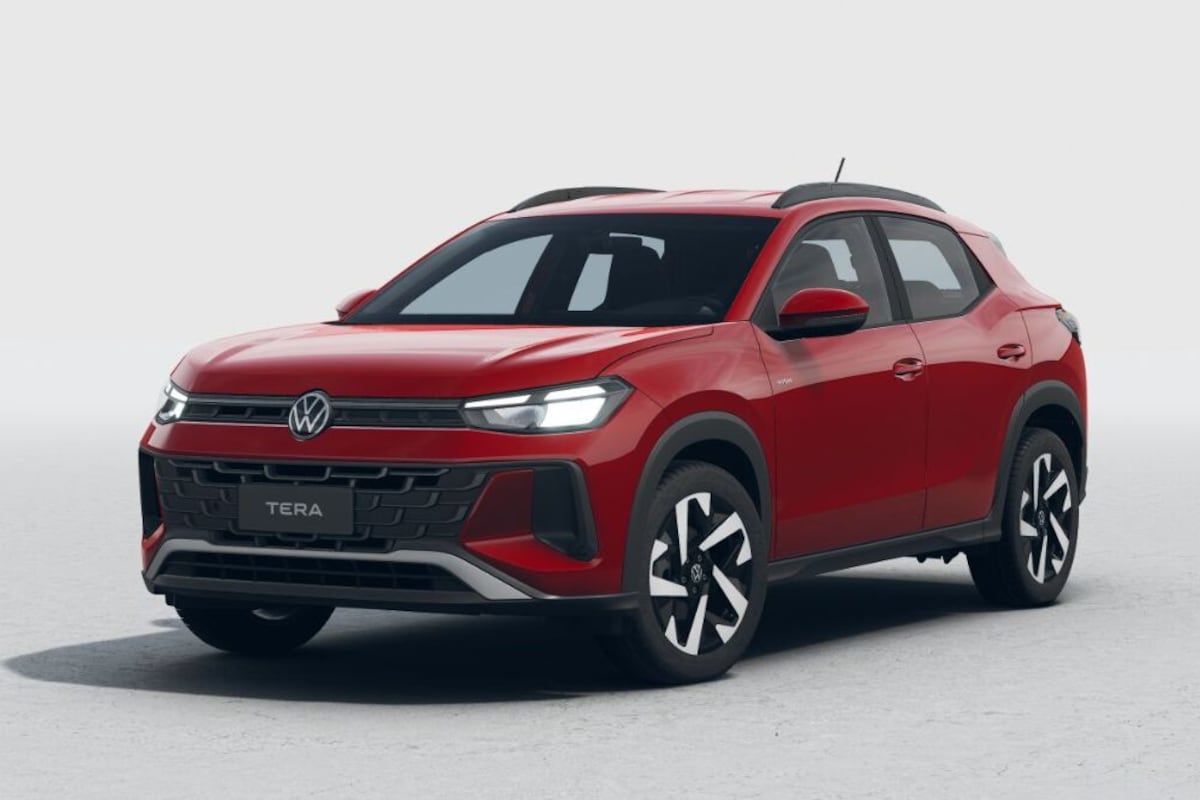
While official details are gradually being unveiled, the Volkswagen Tera is projected to enter the competitive compact SUV arena, positioned strategically beneath the popular Taigun model. It is expected to mirror the relationship the Kylaq holds within another prominent European brand. Industry speculation suggests the Brazilian-specification Tera, which measures approximately 4.1 meters in length, will likely see a modification to its dimensions for the Indian market, specifically trimming it to fall under the crucial 4-meter mark. This strategic adjustment would enable it to qualify for significant tax benefits, making it a more competitive offering.
Under the bonnet, the Tera is anticipated to utilise the proven and efficient 1.0-litre TSI turbocharged petrol engine, a powerplant already admired for its energetic performance and refinement. This engine is expected to be paired with both a precise 6-speed manual transmission for engaging driving and a convenient 8-speed automatic transmission, catering to a wide spectrum of driving preferences.
A Glimpse Inside: Features and Technology
True to contemporary automotive trends, the Volkswagen Tera is set to arrive loaded with an array of modern features designed to enhance comfort, convenience, and connectivity. Prospective buyers can anticipate a sophisticated interior featuring:
- A prominent, free-standing infotainment touchscreen unit, likely boasting seamless smartphone integration.
- A fully digital driver information display, offering a customisable and futuristic cockpit experience.
- Wireless phone charging capability, adding a layer of convenience for modern smartphone users.
- Automatic climate control, ensuring optimal cabin comfort regardless of external conditions.
- Ambient lighting, allowing owners to personalise the interior aesthetic and enhance the driving mood.
- Advanced safety features, aligning with Volkswagen's commitment to passenger protection.
More Than a Replacement: A Spiritual Evolution
It is crucial to clarify that the Tera is not designed as a direct, like-for-like replacement for the iconic Polo. The Polo, with its low-slung stance and driver-centric focus, was engineered for a specific kind of enthusiast. The Tera, conversely, is envisioned as a taller, potentially heavier, and decidedly more family-oriented vehicle, tailored to the practical needs of a broader consumer base. However, its potential lies in its ability to embody the Polo's core spirit. By offering a meticulously balanced driving experience, underpinned by Volkswagen's renowned engineering prowess, the Tera could stand out in a segment often characterised by utilitarian designs over refined driving dynamics.
For a new generation of buyers seeking their entry point into the distinguished Volkswagen brand, or for existing Polo owners contemplating an upgrade, the Tera is poised to serve as an compelling and modern proposition. It represents not an end, but a thoughtful evolution of a cherished legacy, promising to deliver the quintessential Volkswagen experience in a form perfectly suited to the demands of tomorrow.
You Might Also Like


More in India
- "CBSE 10th Result 2026: Mid-April Release Expected Earlier"
- "महावीर जयंती 2026: 10 शिकवणी, शांती-यशाचा मार्ग उघडतील"
- "RBSE Class 12 Results 2026: Check Scores Fast, Avoid Website Crash"
- "Noida Airport: How It Solves Fog Delays & Long Check-In Lines"
- "CBSE 10th, 12th Results 2026: Expect April for Class 10?"
