From Hampi To Kochi: 7 Top South Indian Destinations For Architecture Enthusiasts
By NewsDose Team
Updated on January 30, 2026
5 min read
Key takeaways
South India is home to breathtaking temples, heritage sites and iconic landmarks that showcase centuries of craftsmanship.
South India stands as an unparalleled treasury of historical grandeur, where every stone edifice whispers tales of bygone empires, artistic innovation, and spiritual devotion. This vibrant region, cradled by diverse landscapes ranging from sun-drenched coastlines to lush green hills, offers an extraordinary journey through centuries of architectural brilliance. From the towering gopurams that pierce the sky to the intricately carved pillars that defy time, the ancient temples, royal palaces, and striking monuments here are not merely structures but living narratives of old dynasties, varied cultures, and incredible craftsmanship.
The architectural styles found across South India are as diverse as its people, each shaped by the unique vision of powerful kingdoms like the Pallavas, Cholas, Chalukyas, and Vijayanagara emperors. Their enduring legacies are etched in granite and sandstone, showcasing an evolving mastery of design, engineering, and artistic expression that continues to captivate historians, architects, and travelers alike. For anyone with a passion for discovering history through its magnificent buildings, South India promises a truly unforgettable and enriching experience.
Discovering Architectural Marvels: A Grand Tour of South India
Hampi, Karnataka: The Echoes of an Empire
A UNESCO World Heritage Site, Hampi is a mesmerizing open-air museum sprawled across a dramatic boulder-strewn landscape. Once the thriving capital of the mighty Vijayanagara Empire, its ruins offer a profound glimpse into a civilization that flourished with unparalleled prosperity and artistic flair. The remnants of its grand palaces, bustling markets, and sacred temples showcase the extraordinary skill and boundless imagination of the artisans who built it. Visitors can wander through vast temple complexes like the Virupaksha Temple, an active place of worship dedicated to Lord Shiva, and the Vittala Temple, renowned for its iconic stone chariot and musical pillars that resonate with rhythmic tones when tapped. Exploring Hampi during the cooler months from October to February allows for comfortable discovery of its many wonders, including breathtaking sunset views from Matanga Hill, where the panoramic vista of the ancient city unfolds beneath a canvas of vibrant hues. The sheer scale of Hampi’s architecture, blending power with poetic grace, makes it an essential stop for any history enthusiast.
Mahabalipuram, Tamil Nadu: Pallava’s Rock-Cut Masterpieces
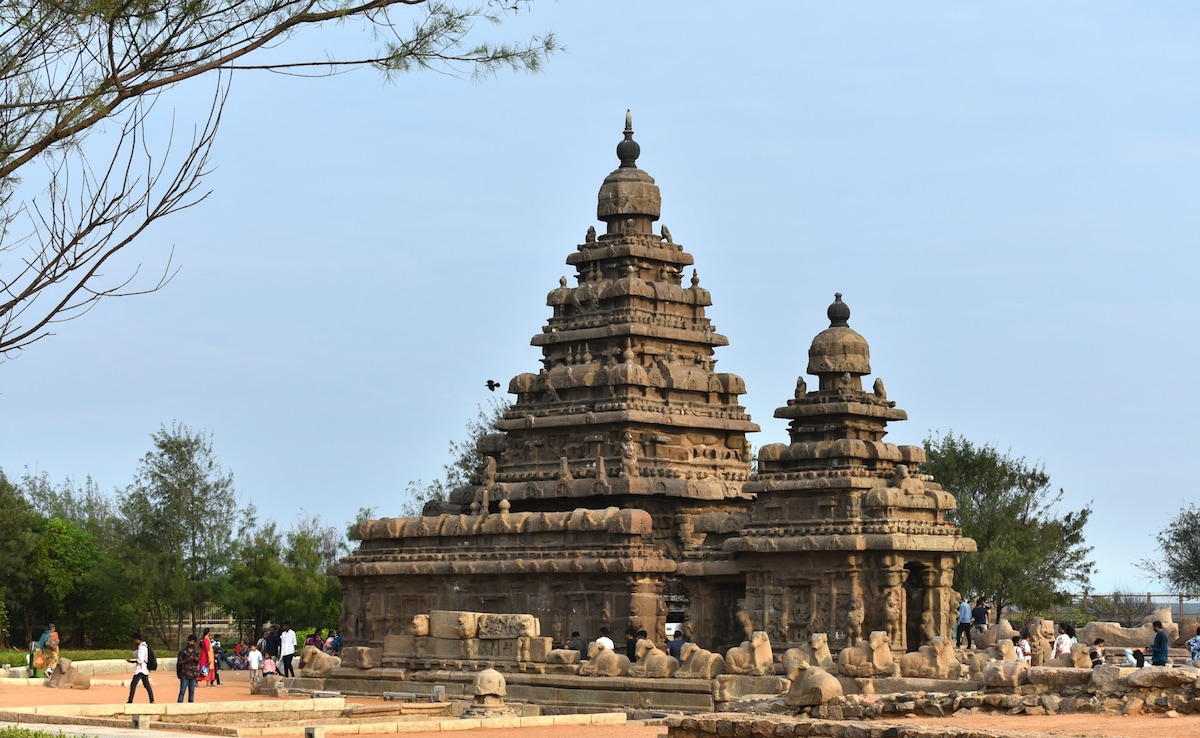
Nestled along the Bay of Bengal, Mahabalipuram (also known as Mamallapuram) is a coastal marvel celebrated for its exquisite rock-cut caves, monolithic temples, and impressive bas-reliefs. This town is a testament to the artistic brilliance of the Pallava dynasty, who perfected the arduous art of carving entire structures out of single rocks in the 7th and 8th centuries. The iconic Shore Temple, standing majestically against the roaring waves, is a timeless masterpiece that has withstood centuries of sea spray and storms. Other must-see sites include the Five Rathas, a collection of monolithic temples carved in the shape of chariots, each dedicated to a character from the Mahabharata, and the intricately sculpted caves of Arjuna's Penance, a colossal bas-relief depicting mythological scenes with incredible detail. The ideal time to visit is between November and February when the weather is pleasant for exploring these ancient wonders and strolling along the scenic coastline.
Thanjavur, Tamil Nadu: The Chola Grandeur of Brihadeeswarar
Thanjavur, the erstwhile capital of the Chola empire, is home to the magnificent Brihadeeswarar Temple, a towering masterpiece of Dravidian architecture. Built by Emperor Rajaraja I in the 11th century, this UNESCO World Heritage site is celebrated for its colossal vimana (temple tower), which rises to an impressive height of 216 feet, crowned by a massive single-stone cupola weighing an estimated 80 tons. The sheer scale and exquisite detailing of the temple's granite structure continue to astound visitors, reflecting the architectural prowess and spiritual devotion of the Chola period. Beyond the central shrine, the temple complex features beautiful frescoes, intricate carvings, and a colossal Nandi bull statue. Visitors can also explore the Thanjavur Palace, which houses a rich collection of art and artifacts, and discover local art forms like the famous Tanjore paintings. The cooler months from October to March provide the perfect climate for a comprehensive exploration of this historic city.
Chettinad, Tamil Nadu: Opulent Mansions and Cultural Riches
Moving inland, Chettinad offers a unique architectural experience distinct from the grand temples. This region is famous for its opulent, sprawling mansions built by the wealthy Chettiar trading community in the 19th and early 20th centuries. These palatial homes are a captivating blend of traditional Indian craftsmanship with influences from Europe and Southeast Asia, reflecting the global trade networks of their owners. Featuring ornate courtyards, extensive use of Burma teak, Italian marble, Belgian glass, and lavishly decorated halls, every house is a testament to meticulous planning and luxurious design. A visit here is a journey into a bygone era of prosperity and cultural fusion. While exploring these architectural wonders, visitors can also delve into local temples and savour the renowned, spicy Chettinad cuisine, famous for its aromatic spices. The best time to experience Chettinad's charm is from December to March, when the weather is most agreeable.
Mysuru, Karnataka: Palaces of Princely Splendour
Mysuru, often referred to as the 'City of Palaces,' is synonymous with regal architecture that mirrors the grandeur of the Wadiyar dynasty. Its undisputed crown jewel is the Mysore Palace, an Indo-Saracenic architectural marvel adorned with stained-glass windows, intricately carved balconies, elegant domes, and vibrant murals. This majestic structure, especially enchanting when illuminated by nearly 100,000 bulbs on Sundays and during festivals, creates a visual spectacle that leaves visitors spellbound. Beyond the main palace, the city boasts other royal residences like the Jaganmohan Palace, which houses an impressive art gallery, and the Lalitha Mahal Palace. A stroll through the Chamundi Hill temple complex offers not just spiritual solace but also panoramic views of the city. The months from October to February are ideal for soaking in Mysuru’s royal charm, with pleasant temperatures perfect for sightseeing.
Kochi, Kerala: A Tapestry of Colonial Influences
Offering a vastly different architectural narrative, Kochi (Cochin) in Kerala is a captivating port city where history unfolds through its colonial-era buildings, iconic Chinese fishing nets, and charming historic neighbourhoods. Fort Kochi, in particular, is a fascinating blend of Portuguese, Dutch, and British influences, each distinctly visible in its quaint churches, colonial bungalows, and well-preserved street layouts. The city's multicultural past is reflected in every corner, from the ancient Jewish Synagogue in Mattancherry, a vibrant testament to religious harmony, to the Mattancherry Palace (also known as the Dutch Palace) with its exquisite murals. Exploring Fort Kochi, visiting the spice markets, and enjoying waterfront cafes as you watch the Chinese fishing nets in action are popular activities. The period from October to March offers comfortable weather to immerse yourself in Kochi's rich cultural and architectural heritage.
Badami, Aihole, and Pattadakal, Karnataka: The Cradle of Indian Temple Architecture
These three historically significant sites in Karnataka are collectively known as the birthplace of Indian temple architecture, showcasing the ingenuity of the early Chalukyan dynasty. Badami’s magnificent cave temples, carved directly into towering sandstone cliffs, offer breathtaking views of the Agastya Lake and surrounding landscapes. Aihole, often called a "laboratory of temple architecture," features a staggering array of experimental styles and over 125 temples, including the famous Durga Temple with its unique apsidal plan. Pattadakal, a designated UNESCO World Heritage site, represents the zenith of Chalukyan art, showcasing a harmonious blend of both Dravidian (South Indian) and Nagara (North Indian) architectural styles in its ten beautifully carved temples, such as the grand Virupaksha and Mallikarjuna temples. Visiting between October and March provides the best conditions to explore these foundational monuments of Indian art and architecture, offering a profound understanding of the evolution of temple building.
South India's beautiful and diverse architectural landscape is a profound reflection of its rich history, deep-rooted spiritual beliefs, and enduring artistic creativity. Each site, from the monumental ruins of Vijayanagara to the exquisite rock-cut temples of the Pallavas and the opulent palaces of the Wadiyars, tells a compelling story, making every visit to these places an immersive and truly special journey through the heart of India's cultural heritage.
You Might Also Like


More in India
- "CBSE 10th Result 2026: Mid-April Release Expected Earlier"
- "महावीर जयंती 2026: 10 शिकवणी, शांती-यशाचा मार्ग उघडतील"
- "RBSE Class 12 Results 2026: Check Scores Fast, Avoid Website Crash"
- "Noida Airport: How It Solves Fog Delays & Long Check-In Lines"
- "CBSE 10th, 12th Results 2026: Expect April for Class 10?"
